

 BBC News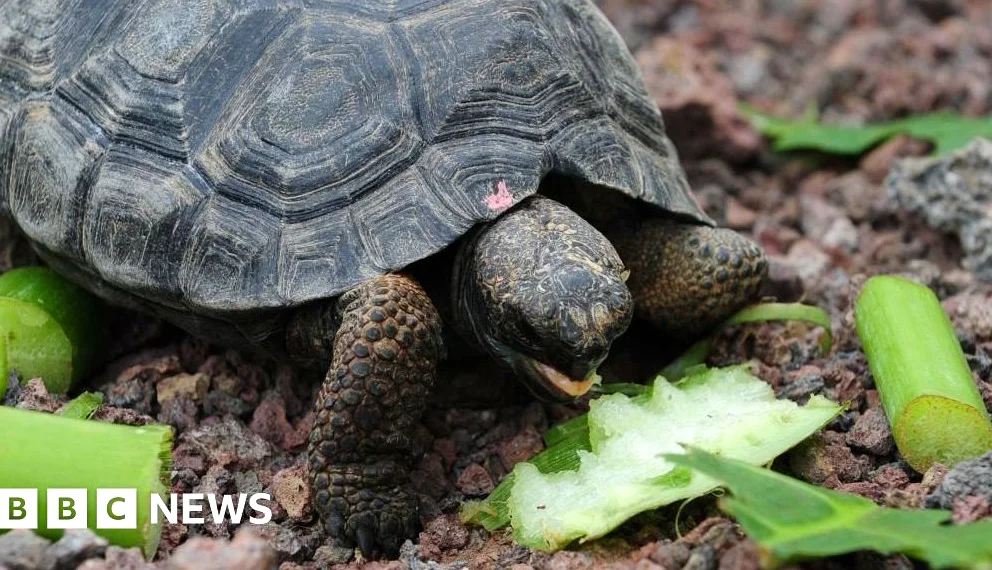
Floreana Island echoed with the steps of giant tortoises this week. One hundred fifty-eight juveniles, bred in captivity, now roam its volcanic slopes. Officials with the Galápagos National Park Directorate call it a turning point for the Floreana Ecological Restoration Project.
The tortoises descend from hybrids found on nearby Isabela Island. Scientists spotted them on Wolf Volcano in 2008. Those animals carried genes from Floreana’s extinct subspecies, Chelonoidis niger niger. Sailors wiped out the originals in the 1840s, hauling thousands aboard ships for food on long Pacific voyages.
Researchers kicked off a back-breeding program in 2017. They picked 23 hybrids with the strongest genetic ties to Floreana tortoises. Breeding happened at a facility on Santa Cruz Island. By 2025, the effort produced over 600 hatchlings. Hundreds reached a size ready for wild release.
“The restoration of Floreana has reached a hugely significant milestone, with 158 captive-bred giant tortoises released into the wild this week,” the Galápagos Conservation Trust said in a statement Friday. The group hailed the tortoises as ecosystem engineers. Their grazing and movement reshape vegetation, trample invasive plants and spread seeds. Such actions revive degraded habitats across islands.
Dr. Jen Jones, chief executive of the trust, called the release spine-tingling. She credited two decades of work by scientists, charities and locals. The project revives hope for Floreana and sets a model for global island recoveries, Jones said.
Park officials chose this week’s timing carefully. The juveniles, about the size of dinner plates, can evade most predators now. Goats and rats, invasive threats, have been culled from Floreana in recent years. That cleared the way for native species to return.
Genetic tests confirmed the hybrids’ value. A 2017 study in the journal PLOS One detailed how Wolf Volcano tortoises retained up to 50% Floreana DNA. Breeding narrowed that to purer lines over generations. The first hatchlings emerged in 2019.
Floreana, one of the Galápagos’ southernmost islands, spans 67 square miles. It hosted Charles Darwin in 1835, though he focused more on tortoises from other islands. Today’s effort builds on that legacy. Park directorate staff monitored the release site Tuesday, watching the tortoises fan out into scrubland.
Future plans call for more releases. Officials aim to establish a self-sustaining population of thousands. Monitoring will track survival rates, growth and breeding. Drones and camera traps will help without disturbing the animals.
The trust emphasized the project’s broader impact. Tortoises like these maintain biodiversity. They control overgrowth that smothers native plants. On Floreana, prickly pears and scalesia trees stand to benefit. Success here could inspire work on other extinct-in-island species worldwide.
Local communities celebrated the milestone. Guides and rangers, long involved, joined the release. One park worker described hearing the tortoises’ grunts for the first time in living memory. The sound carried across the island’s arid flats.





Comments
No comments yet
Be the first to share your thoughts