

 BBC
BBC 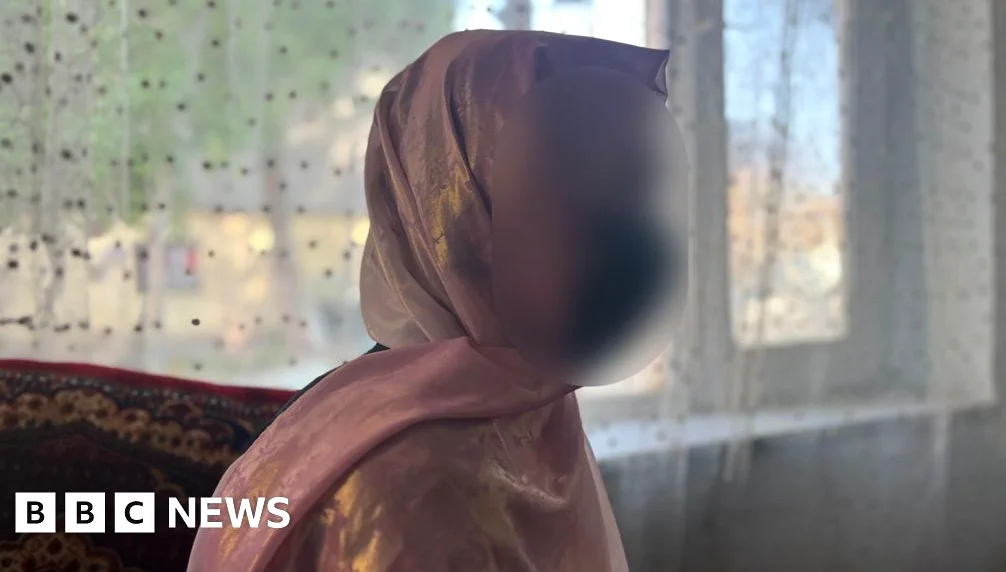
Alia, whose name has been changed for her safety, traveled hundreds of miles from her village to Kabul last year to escape an arranged marriage in a country where girls over 12 are banned from attending school. Her journey. Taken with her female cousin. Was risky under Taliban rules prohibiting women from traveling long distances without a male escort.
Education as a Last Hope
Despite the risks, Alia and her cousin were not stopped at any Taliban checkpoints and reached the capital. There, Alia enrolled in an English language course, one of the few educational options available for girls. These short-term courses, however, are expensive and far from a substitute for formal schooling.
The Taliban imposed a ban on girls’ education five years ago, and since then, millions of girls have been left with few options other than marriage. Alia’s story is unusual, as her family can afford the few educational opportunities available in a country where three in four people cannot meet their basic needs, according to the United Nations.
Parents’ Dilemma and Marriage Pressures
Alia’s parents supported her education before the ban but now believe marriage is the best option for her. Alia has received marriage proposals and fears she may have to accept one, worrying that her new family might not support her dreams.
“If my family don’t force me to get married, I will wait. I will resist it until my very last breath,” Alia said. But she acknowledges that resisting is hard in a society where marriage is often the only path for young women.
Shama, another young woman, was pushed by her mother to marry at 18. Now the mother of two, she says she would have been close to becoming a doctor if not for the ban. Her mother, Kamila, feared her daughter would attract negative attention if she remained unmarried.
Irreversible Impact on Future Generations
The Taliban’s ban on education has already had an irreversible impact on women and girls in Afghanistan. According to the United Nations, if the ban continues until 2030, over two million girls will be deprived of education beyond primary school in a country with one of the lowest female literacy rates in the world.
Shama now feels trapped in her home, watching movies featuring working or studying female characters triggering her grief. She says she is treated well by her husband but feels her dreams remain unfulfilled. Her 18-year-old sister, Nora, fears she too will face the same fate.
“I want to continue my education. It’s like being in prison. I fear going out because of the government, and at home my mother tells me I must get married,” Nora said. She doesn’t believe she will ever return to school under a Taliban government.
Since 2021, the Taliban government has offered various justifications for the ban on girls’ education. In 2024, the deputy spokesman, Hamdullah Fitrat, said they are awaiting the decision of the leadership. When asked how the government can justify the ban, he referred the question to the education ministry, which did not respond.






Comments
No comments yet
Be the first to share your thoughts