


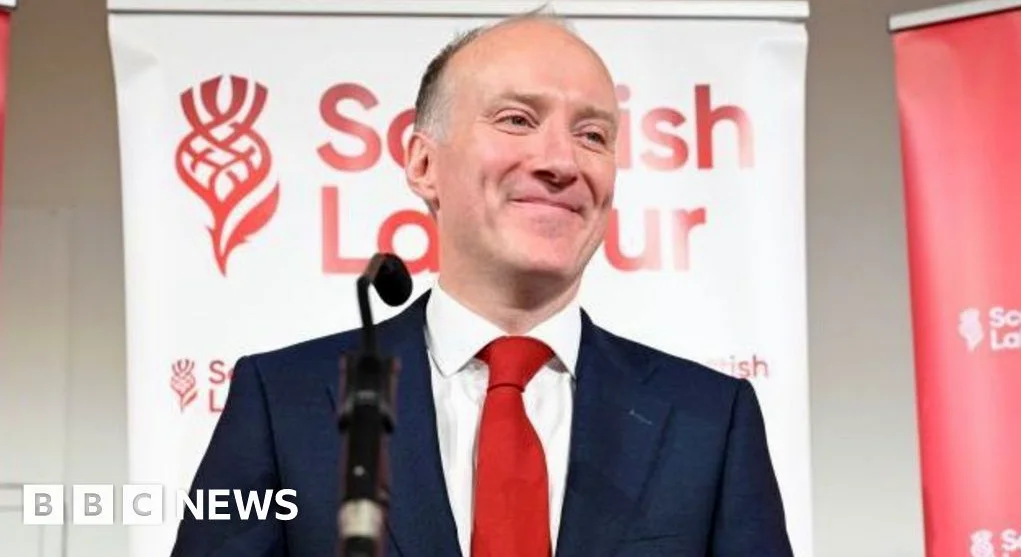
On his fourth day as prime minister, Andy Burnham did not remain at Downing Street in London. Instead, he traveled to Glasgow for meetings with Scotland’s First Minister John Swinney and Wales’ First Minister Rhun ap Iorwerth. The meetings occurred hours before King Charles and Queen Camilla opened the 2026 Commonwealth Games. Burnham described the effort as part of a broader goal to promote growth “in every postcode across the whole of the UK.” A meeting with Northern Ireland’s First and Deputy First Ministers, Michelle O’Neill and Emma Little-Pengelly, is scheduled for a wider UK tour in August.
What Number 10 North Actually Is
Stripped of rhetoric, Number 10 North is a written ministerial statement. On July 21, Baroness Smith of Basildon, Leader of the House of Lords and Lord Privy Seal, confirmed on the government’s behalf that devolution and local growth policy functions are moving out of the housing ministry and the Treasury and into a new Manchester-based operation. There, civil servants will work inside a restructured Office for the Prime Minister and the Cabinet, led by Cabinet Secretary Dame Antonia Romeo.
Notably absent from the agenda, at Burnham’s insistence, was any discussion of a second Scottish independence referendum. The decision highlights his focus on unifying the UK under a shared economic vision rather than divisive political debates.
A New Approach to Growth and Governance
On Monday, while the cameras were fixed on Downing Street, a small team of officials and advisers moved into an office building in Manchester. This marked the beginning of Number 10 North, described by Burnham as the first major act of his government and potentially its most defining. He emphasized that the new office is not just a physical relocation but an “engine for growth throughout the whole UK.”
Burnham argued that over the past 40 years, Britain has taken “a series of wrong turns,” with political and economic power becoming increasingly centralized in London. He noted that many regions have not recovered from deindustrialization and lack the necessary power to turn things around. This “feeling of neglect” has contributed to political fragmentation in recent years. Previous initiatives, like the “levelling up” agenda, have failed due to a lack of meaningful decentralization of power.
A Political Strategy and Symbolic Shift
According to Burnham, the new office in Manchester is an attempt to correct these imbalances. He said that Whitehall departments have often set up outposts in different regions, but decision-making power has remained in London. In contrast, Number 10 North is intended to align the most powerful office in the land—Downing Street—with the Treasury to drive growth from the center.
The move is also symbolic. Burnham, who previously served as mayor of Manchester from 2017 until his return to UK Parliament in the Makerfield by-election last month, is testing a proposition that will define his premiership: that the prime minister’s office can be partially relocated out of London to Manchester. The initiative reflects both his political background and his vision for a more balanced, growth-focused UK.


Comments
No comments yet
Be the first to share your thoughts