

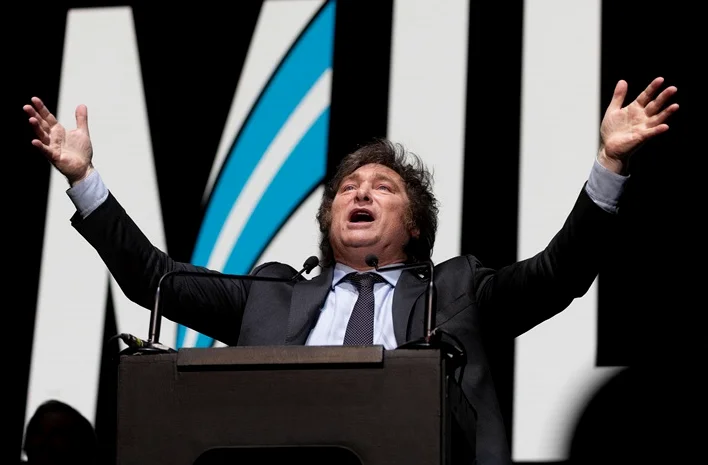
BUENOS AIRES — Argentina faced economic collapse just two years ago. GDP shrank 2 percent annually. Real wages plummeted faster. Monthly inflation hit 13 percent. Poverty engulfed 42 percent of the population. Rents soared out of reach. The budget deficit ballooned. Interest rates spiked.
Voters turned to libertarian Javier Milei in late 2023. He took office and moved fast. His government cut spending by 30 percent. It dismantled about 200 agencies. Budgets froze for survivors. Public sector jobs fell 20 percent. Real wages for bureaucrats dropped. Taxes eased. Regulations vanished. The central bank halted money printing.
Critics forecast ruin. Results proved them wrong. The budget balanced. Poverty declined. Private sector wages rose. GDP expanded. Inflation eased dramatically.
Officials credit bureaucracy cuts for unleashing growth. Argentina’s economy grew larger after shrinking government, according to government data. Private investment filled the gap left by public retrenchment.
The Milei team challenged old economic thinking. Many politicians and media cling to a simple equation: output equals consumption plus investment plus government spending plus net exports. Boost government spending, they say, and output rises. Argentina shows otherwise.
Wealth creation hinges on private investment, not state outlays. Milei’s cuts freed resources for the private sector. Higher productivity followed. Poverty fell as jobs multiplied outside government payrolls.
Australia could learn from this, one analyst argues. Its government should trim bureaucracy to spur growth. Public sector bloat acts as a drag, much like in pre-Milei Argentina.
Milei tackled another crisis: energy. Argentina knows political risk well. Governments flip-flop on policies, scaring investors. Milei countered with the Incentive Regime for Large Investments, or RIGI.
RIGI targets big projects in energy and other key areas. It offers 30-year guarantees against tax or regulatory changes. Contracts include international arbitration. Future governments can’t renege without penalty.
The plan worked. Real interest rates dropped 15 percent. Tens of billions in new investments poured in. Energy projects advanced without fear of policy U-turns.
Australia faces a parallel bind. It sits on vast coal, gas, and uranium reserves. Energy should be cheap. Instead, prices climb. Investors shun coal, gas, and nuclear plants. They dread future governments prioritizing net-zero goals over reliable power.
Political risk hides massive costs. No new baseload capacity means higher bills and blackouts. Milei’s RIGI could inspire Australia. Offer ironclad guarantees. Watch investments flow. Prices would fall.
Not every Argentine policy fits Down Under. Scale differs. Contexts vary. Still, two lessons stand out: shrink bureaucracy. Lock in investment stability.
Global leaders stay quiet. Milei’s success challenges big-government orthodoxy. Mainstream outlets downplay the turnaround. Pundits predicted failure. Reality demands attention.
Argentina’s poverty rate has tumbled below 40 percent. Inflation annualized under 3 percent monthly by late 2025. Real wages climb. Foreign capital returns. Milei’s gamble paid off.
Economists track monthly indicators. Private consumption drives growth. Exports rise on competitive costs. Unemployment dips as firms hire.
The reforms continue. Milei eyes deeper deregulation. Labor laws loosen. Trade barriers fade. Critics persist. Supporters point to numbers.
Australia’s energy woes worsen. Wholesale prices doubled in 2024. Blackouts loom without baseload. RIGI-style pacts could change that. Lawmakers hesitate.






Comments
No comments yet
Be the first to share your thoughts