

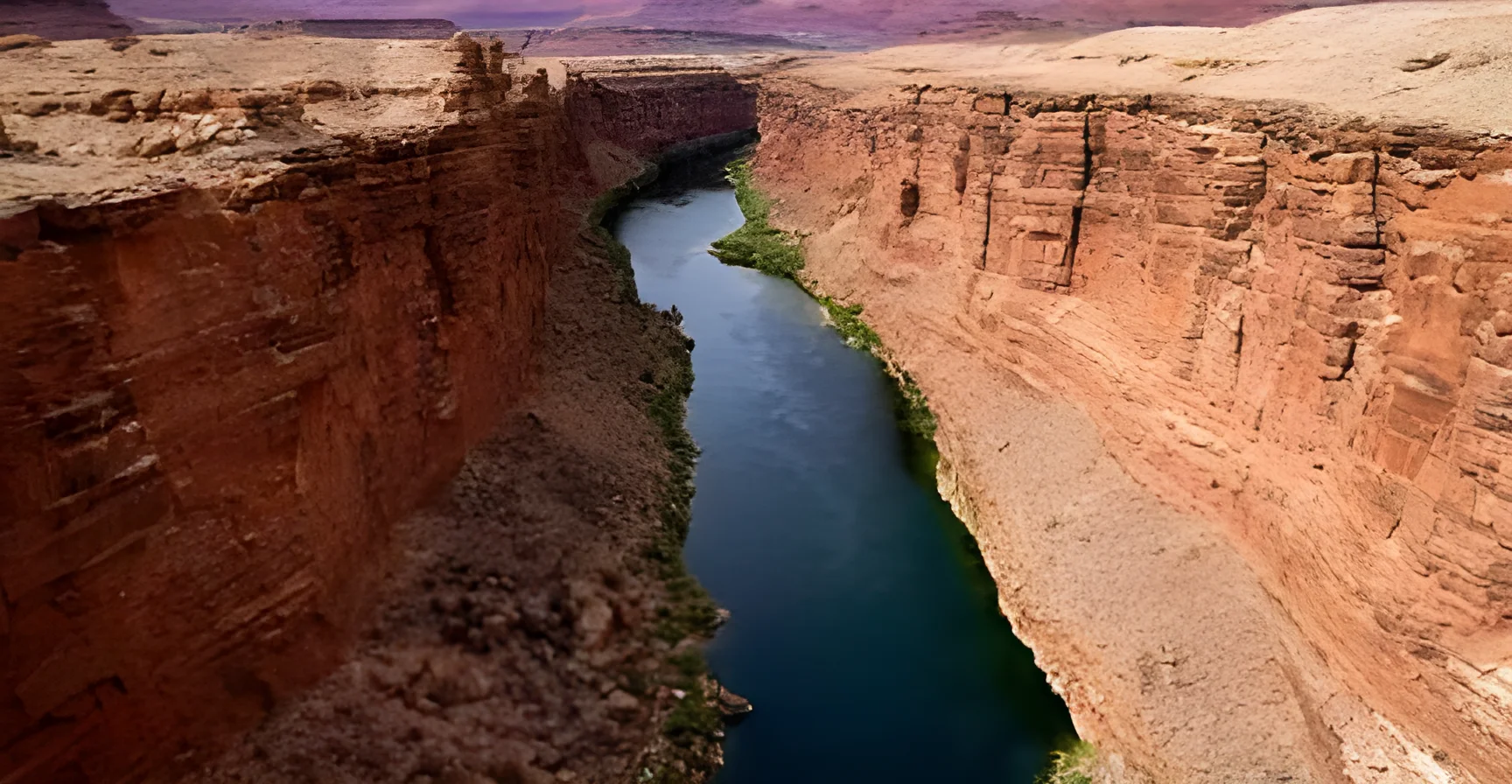
A federal funding shortfall is threatening tribal water rights settlements, including a $5.1 billion proposal in Arizona, New Mexico, and Utah. According to Law360, a U.S. Department of the Interior official testified before the Senate Indian Affairs Committee on Wednesday, stating that existing federal funding is far short of what is needed to cover Native water rights settlements now facing the Bureau of Reclamation.
The Financial Crisis Behind the Arizona Tribal Water Settlement
The Arizona tribal water settlement, part of a broader regional effort to resolve long-standing water rights disputes, has been stalled due to a lack of sufficient federal funding. The settlement, which includes provisions for the Navajo Nation and other tribes, requires infrastructure improvements, water rights purchases, and legal settlements totaling $5.1 billion.
According to the Department of the Interior, the current federal budget only allocates about $300 million annually for such projects, a fraction of what is needed. This gap has left the Bureau of Reclamation unable to meet its obligations, forcing tribes to seek alternative funding sources, which are scarce and often unreliable.
“We are in a situation where we are trying to fulfill legal obligations, but the funding simply isn’t there,” said a Department of the Interior official during the Senate hearing. “This is not just a matter of money—it’s about fulfilling promises made to Native communities.”
Impact on Native Communities and Water Security
The Arizona tribal water settlement is critical for ensuring water security for Native communities, many of which have faced decades of legal battles over water rights. The Navajo Nation, for example, has been fighting for decades to secure water rights in the Colorado River Basin, an area where water scarcity is already a pressing issue.
Without the necessary funding, the settlement could be delayed for years, leaving tribes vulnerable to further legal challenges and water shortages. The Navajo Nation has already faced severe drought conditions, and the lack of access to reliable water sources has impacted both health and economic development in the region.
“Water is life, and without the funding to implement this settlement, our people are at risk,” said a Navajo Nation representative during a recent community meeting. “This isn’t just about legal rights—it’s about survival.”
Experts warn that the delay in funding could lead to increased conflicts over water resources, not only within tribal communities but also with neighboring states that rely on the same water systems. The Colorado River, which supplies water to millions of people in the Southwest, is already under strain due to overuse and climate change.
What Analysts Say About the Arizona Tribal Water Settlement
Water rights analysts and environmental advocates have expressed concern over the funding gap, noting that the Arizona tribal water settlement is one of the largest and most thorough agreements in the region. The settlement aims to resolve disputes over water allocations, which have been a source of tension for decades.
“This settlement is a landmark agreement that could set a precedent for how water rights are handled in the Southwest,” said Dr. Sarah Mitchell, a water policy expert at Arizona State University. “But without the funding, it’s just an agreement on paper.”
According to a recent report by the Environmental Defense Fund, the lack of federal investment in water infrastructure is a growing problem across the country, with tribal communities being among the most affected. The report estimates that over $10 billion in federal funding is needed to address water infrastructure needs in Indian Country by 2030.
“This is not just about Arizona—it’s about the entire Southwest and the future of water management in this region,” said a spokesperson for the Environmental Defense Fund. “The federal government has a responsibility to support these critical infrastructure projects.”
The Arizona tribal water settlement has been in the works for over a decade, with negotiations involving multiple states, tribes, and federal agencies. The settlement was initially signed in 2019, but implementation has been delayed due to funding constraints. The Bureau of Reclamation has been working to secure additional resources, but with the current budget, it is unclear when the necessary funds will be available.
With the 2024 federal budget cycle approaching, there is growing pressure on Congress to address the funding gap. Lawmakers from Arizona and New Mexico have called for increased investment in tribal water rights, arguing that it is both a moral and legal obligation.
“The federal government must act now to ensure that the Arizona tribal water settlement is fully funded,” said Senator Mark Kelly, a Democrat from Arizona. “This is not just about water—it’s about justice for Native communities.”
As the deadline for the 2024 budget approaches, the future of the Arizona tribal water settlement remains uncertain. Without immediate action, the settlement could face further delays, leaving Native communities in limbo and exacerbating water insecurity in the Southwest.






Comments
No comments yet
Be the first to share your thoughts