

 BBC
BBC 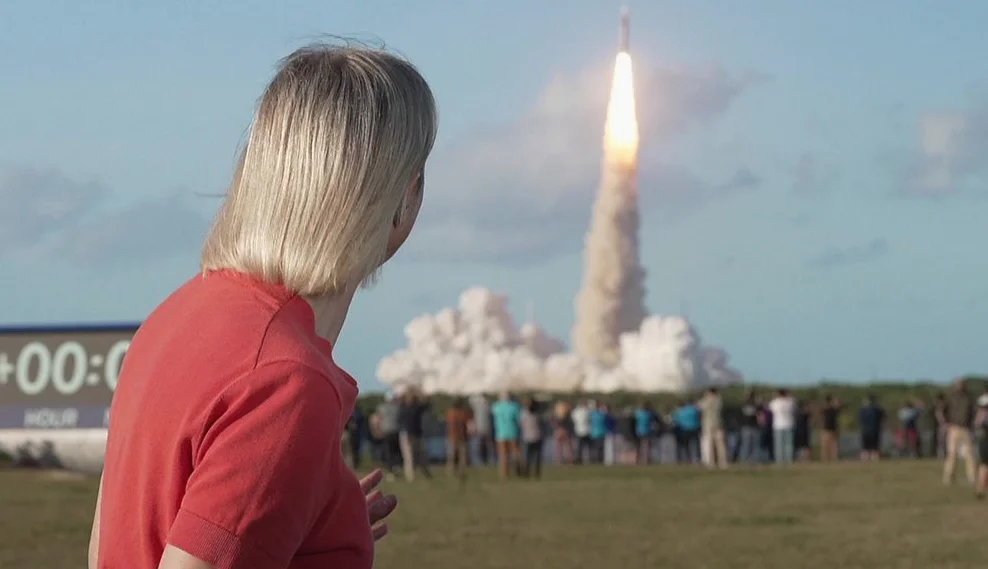
‘Oh my goodness, that is spectacular!’ said Rebecca Morelle, the BBC’s science editor, as she watched Nasa’s Artemis II spacecraft launch from Florida; the spacecraft has now entered Earth’s orbit and is set to begin its journey toward the Moon as part of a 10-day mission.
Artemis II Mission Overview
The Artemis II mission is a critical step in NASA’s lunar exploration program, aiming to pave the way for future crewed missions to the Moon’s surface. According to NASA officials. The crew onboard the spacecraft is ‘safe, secure and in great spirits.’.
The launch took place from the Kennedy Space Center in Florida, where Morelle was present to witness the historic event; she described the launch as ‘spectacular’ and noted the excitement among the crowd watching from the viewing areas.
The spacecraft will orbit Earth for several days before starting on its journey to the Moon — During its mission, the crew will conduct a series of scientific experiments and test new technologies designed for future lunar missions.
Reactions from the Science Community
Morelle, who has covered numerous space missions over the years, expressed her enthusiasm about the successful launch. ‘This is a moment that will be remembered in the annals of space exploration,’ she told the BBC.
Scientists and engineers from around the world are closely following the mission, eager to see how the spacecraft performs in orbit and how the crew conducts their experiments. The mission is expected to provide valuable data that will be used to prepare for future lunar landings.
According to NASA officials. The Artemis II mission is a key step in the agency’s plan to return humans to the Moon’s surface by the mid-2020s. The spacecraft is equipped with advanced systems designed to support long-duration space travel and lunar operations.
Morelle emphasized the importance of the mission, saying, ‘This is not just a step for NASA, but for all of humanity. The science that will come out of this mission will help us understand our universe in ways we have never imagined.’
Future of Lunar Exploration
The Artemis II mission is part of a broader international effort to explore the Moon and establish a sustainable presence there. According to NASA, the mission will test systems that will be used for future lunar landings, including the Orion spacecraft and the Space Launch System (SLS) rocket.
Morelle highlighted the significance of the mission, stating, ‘This is the beginning of a new era in space exploration. The science we will learn from Artemis II will shape the future of lunar and planetary exploration.’
As the spacecraft continues its journey, scientists and engineers will be monitoring its progress closely. The mission is expected to provide valuable insights into long-duration space travel, lunar operations, and the challenges of living and working in space.
According to NASA, the Artemis II crew will spend approximately 10 days in space, conducting experiments and testing technologies that will be used in future lunar missions. The mission is a serious step in preparing for the Artemis III mission, which will see humans return to the Moon’s surface for the first time since the Apollo missions of the 1970s.
Morelle said she is looking forward to following the mission’s progress and sharing its findings with the public. ‘This is a time of great excitement and discovery in the world of science,’ she said. ‘The launch of Artemis II is a testament to human ingenuity and the power of collaboration in space exploration.’






Comments
No comments yet
Be the first to share your thoughts