

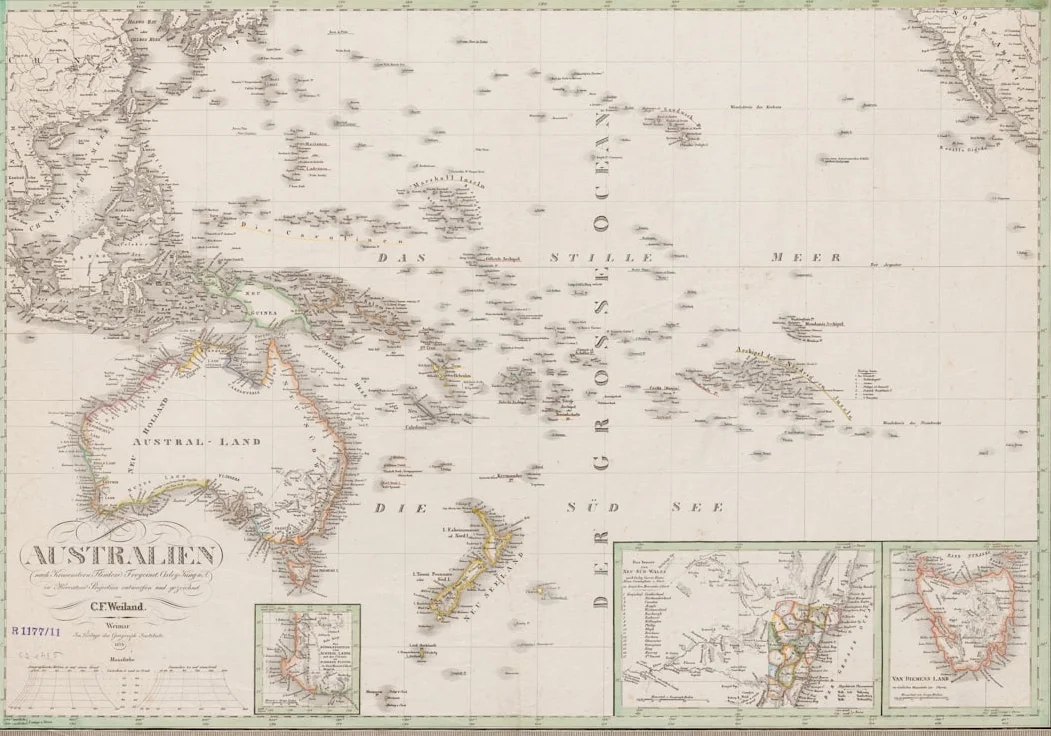
Australia and Vanuatu have finalized a security and development agreement known as the Nakamal Agreement, which prohibits the establishment of foreign military bases in Vanuatu. The deal was signed by Australian Prime Minister Anthony Albanese and Vanuatu’s Prime Minister Jotham Napat in the Australian capital, nine months after the Vanuatuan government rejected an earlier version of the agreement due to concerns over infrastructure investment.
Key Provisions of the Agreement
Vanuatu will not allow any foreign military base or infrastructure within its territory, according to a government statement; the agreement also ensures that Vanuatu’s critical infrastructure remains free from militarization, foreign interference, or unauthorized access. Vanuatu will consult with Australia when considering third-party engagement in its critical infrastructure, but there is no longer a power of veto as was previously proposed in an earlier draft of the deal.
In the earlier version of the deal, Australia had offered Vanuatu $500 million Australian dollars ($345 million) over 10 years — Albanese said the final agreement’s financial details will be revealed in the budget update at the end of the year.
China’s Presence in the South Pacific
Vanuatu is also in the process of signing a separate economic agreement with China, which has been expanding its presence in the region through infrastructure projects. Over the past decade. China has funded the construction of roads and buildings in Vanuatu as part of its Belt and Road Initiative; the Chinese navy has made port calls to Vanuatu, and the country has expanded a wharf in Luganville, its second-largest city.
In 2023. China and Vanuatu established policing ties, with Beijing donating drones, patrol boats, and vehicles to Vanuatu’s police force — China has expressed concerns that the new Australia-Vanuatu agreement may be targeting it. Guo Jiakun. A spokesperson for China’s Ministry of Foreign Affairs, stated that cooperation between countries and Pacific Island nations should contribute to the region’s development and stability rather than target any third party or be used for geopolitical rivalry.
Regional Security and Cooperation
Australia is recognized as Vanuatu’s “longstanding primary policing partner,” according to AFP news agency, though the two countries will enhance cooperation in police training, maritime security, cybersecurity, intelligence, and infrastructure. Vanuatu has also agreed to consult with Australia, New Zealand, or France first in the event of a major natural disaster.
Australia has been actively negotiating and securing agreements with Pacific island states to curb China’s growing influence in the region. This latest pact with Vanuatu aligns with broader Australian efforts to strengthen its regional partnerships and ensure a stable and prosperous Pacific. Albanese emphasized Australia’s commitment to its role as Vanuatu’s largest and most full economic, security, and development partner.
Napat reiterated that the agreement reaffirms the shared commitment of Australia and Vanuatu to continue and strengthen their full partnership, based on mutual respect, trust, and a shared vision for a peaceful, stable, and prosperous Pacific.




Comments
No comments yet
Be the first to share your thoughts