

Australia’s long-held strategic advantage in the Indo-Pacific is eroding, creating a potential risk for the United States as it deepens military integration with its key ally under the AUKUS partnership. The central concern, experts say, is not an immediate confrontation with China but the gradual weakening of Australia’s ability to withstand pressure, which could limit U.S. options before a crisis begins.
Strategic Insulation Fading
Historically, Australia’s geographic isolation and abundant resources have provided a natural buffer against external threats. However, that buffer is no longer a guarantee of security. The 2023 Defence Strategic Review issued by Australia warns that the nation’s defense capabilities are lagging behind the rising threat levels in the region. It also notes that the previously assumed 10-year warning period for potential conflict no longer exists, reducing the strategic buffer that underpins U.S. alliance planning.
Australia currently spends just over 2% of its GDP on defense, a figure that falls short of the readiness expectations now being set by Washington. This gap in capability means the U.S. may be forced to bear more of the burden in a crisis, as its allies may not hold out long enough for U.S. forces to arrive.
Economic and Demographic Pressures
Australia’s economic and demographic challenges are compounding its defense vulnerabilities. The country’s net overseas migration peaked at over 500,000 in 2022-23, one of the highest rates in the developed world. Rapid population growth is straining housing and infrastructure, reducing the nation’s ability to absorb external shocks. This demographic surge also shifts political focus inward, as domestic stability becomes a primary concern, limiting the margin available during periods of external coercion.
Economic productivity has also declined sharply, with a 3.5% drop in labor productivity in 2022-23, the steepest decline since data collection began. Meanwhile, GDP per capita has stagnated as population growth outpaces output. These trends reduce the fiscal and industrial base required to sustain defense spending under pressure.
Resource Concentration and Energy Vulnerability
Australia’s economy remains heavily reliant on a narrow set of resources, with iron ore accounting for roughly one-fifth of its exports and China the dominant buyer. As China diversifies its supply chains, Australia loses use, and its economic margin diminishes. Allies that lose economic margin do not merely weaken—they become more expensive to defend.
Australia’s energy security is another growing concern. The country holds one of the lowest fuel reserves in the OECD, measured in days of net imports. In a maritime theater, disrupted supply lines could immobilize air and naval operations, creating a first-order strategic liability. This vulnerability contrasts sharply with Israel, which operates under constant constraint and must make immediate, irreversible decisions under pressure.
Australia, by contrast, has historically operated with a sense of comfort, deferring costs and allowing risk to accumulate. The gap between confidence and actual capability has widened, and the nation’s inherited advantages are increasingly becoming liabilities.
U.S. Allies and Strategic Responsibility
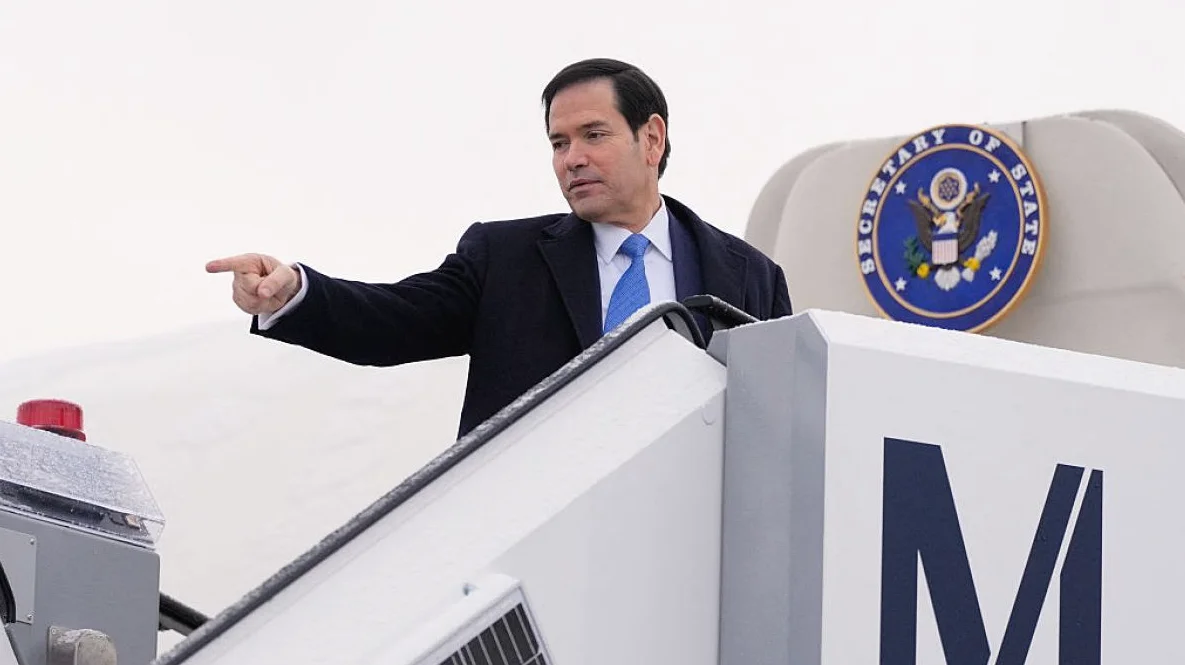
Senator Marco Rubio recently declared in Munich that the U.S. is no longer prepared to subsidize complacent allies. The Indo-Pacific region may test this principle before Europe does. Alliances succeed less through promises than through preparation. When advantage is mistaken for security, deterrence becomes someone else’s responsibility.
Experts warn that Australia’s declining defense capabilities and economic vulnerabilities are creating a strategic gap that could force the U.S. to bear greater risks in the Indo-Pacific. The erosion of Australia’s capacity to withstand pressure could limit U.S. options before a crisis begins, potentially shifting the balance of power in the region.
As Australia continues to grow and face economic and demographic challenges, the U.S. must reassess its strategic assumptions about the resilience of its allies. The time for preparation is running out, and the consequences of inaction could be significant.






Comments
No comments yet
Be the first to share your thoughts