

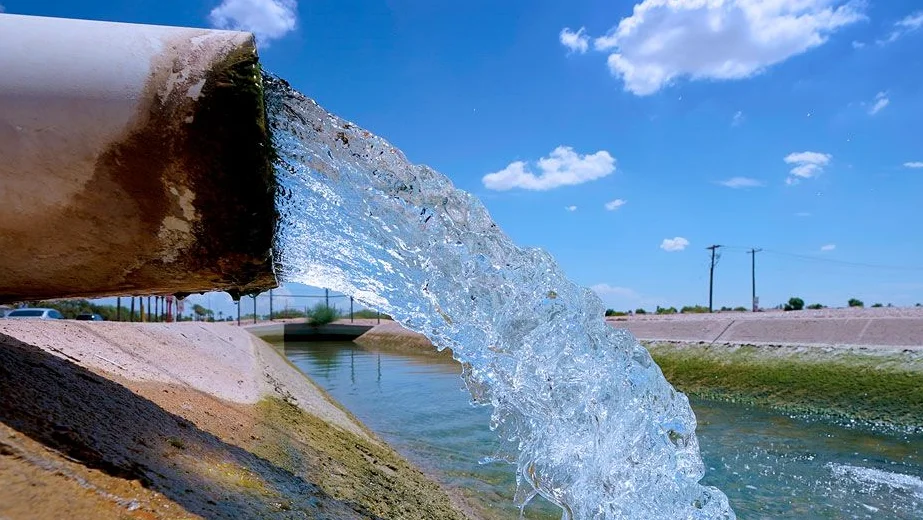
Azerbaijan is not currently experiencing a water crisis, but its long-term water security is under threat, with officials warning that the country’s reservoirs have only 12 months of ‘buffer’ left. The revelation came during a high-level roundtable on water security, where Riad Akhundzadeh, a senior official at the Azerbaijan State Water Resources Agency (ADSEA), emphasized the urgent need for infrastructure reform.
The Buffer Is Shrinking
Akhundzadeh spoke at the ‘Water Security in Azerbaijan’ forum, stating that while current water supply meets immediate demand, the reserves are not sufficient for long-term stability. According to the official, Azerbaijan has just over one year of water in reserve at any given time.
“There is currently no water shortage in Azerbaijan, but the existing reserves are not considered sufficient for the long term,” Akhundzadeh warned. The statement highlights a growing concern that the country’s water resources are being stretched to their limits.
Leakage and Inefficient Distribution
A major challenge facing Azerbaijan’s water sector is the loss of water due to outdated distribution networks. Akhundzadeh noted that serious losses occur during water distribution because of aging infrastructure, which is hemorrhaging resources before they reach the consumer.
“Effective management of water resources and reduction of losses are among our top priorities,” he said. These losses are exacerbating the country’s water stress, particularly as Azerbaijan is already classified among the 20 most water-stressed nations in the world.
Dependence on Transboundary Water
A significant portion of Azerbaijan’s water supply comes from neighboring countries, with roughly 70% of its water originating outside its borders. This reliance on transboundary water sources increases the country’s vulnerability to external factors, including political tensions and climate change.
To address this vulnerability, the government has launched a multi-billion-manat strategy aimed at improving water security and reducing dependence on external sources. The initiative includes modernizing infrastructure, reducing water losses, and investing in sustainable water management practices.
The 2026-2035 Mega-Program
President Ilham Aliyev recently announced a state program aimed at overhauling the water systems of the Absheron Peninsula and Baku. The program, set to run from 2026 to 2035, is one of the most ambitious water infrastructure projects in the country’s history.
For the first time, Azerbaijan is looking to the sea for a solution. A major desalination plant is being developed in Sumgayit through a partnership with Saudi Arabia’s ACWA Power. This project is expected to play a crucial role in meeting the region’s growing water demand and reducing the country’s reliance on external water sources.
The desalination plant is part of a broader strategy to diversify water sources and ensure long-term sustainability. However, the success of this program will depend on timely implementation and effective management of the allocated resources.
What Analysts Say
Experts warn that without immediate action, Azerbaijan’s water reserves could reach a critical point within the next few years. The 12-month buffer highlights the urgency of the situation and the need for a thorough approach to water management.
“The current situation shows that Azerbaijan is at a crossroads,” said a water policy analyst. “The government has the opportunity to invest in modern infrastructure and sustainable practices, but time is running out.”
The upcoming 2026-2035 Mega-Program is expected to be a turning point in Azerbaijan’s water security strategy. However, the success of the program will depend on the government’s ability to coordinate with international partners, secure funding, and implement reforms effectively.
With the current buffer of only 12 months, the need for immediate action is clear. The coming years will be critical in determining whether Azerbaijan can secure its water future or face increasing challenges in the years ahead.





Comments
No comments yet
Be the first to share your thoughts