

 Associated Press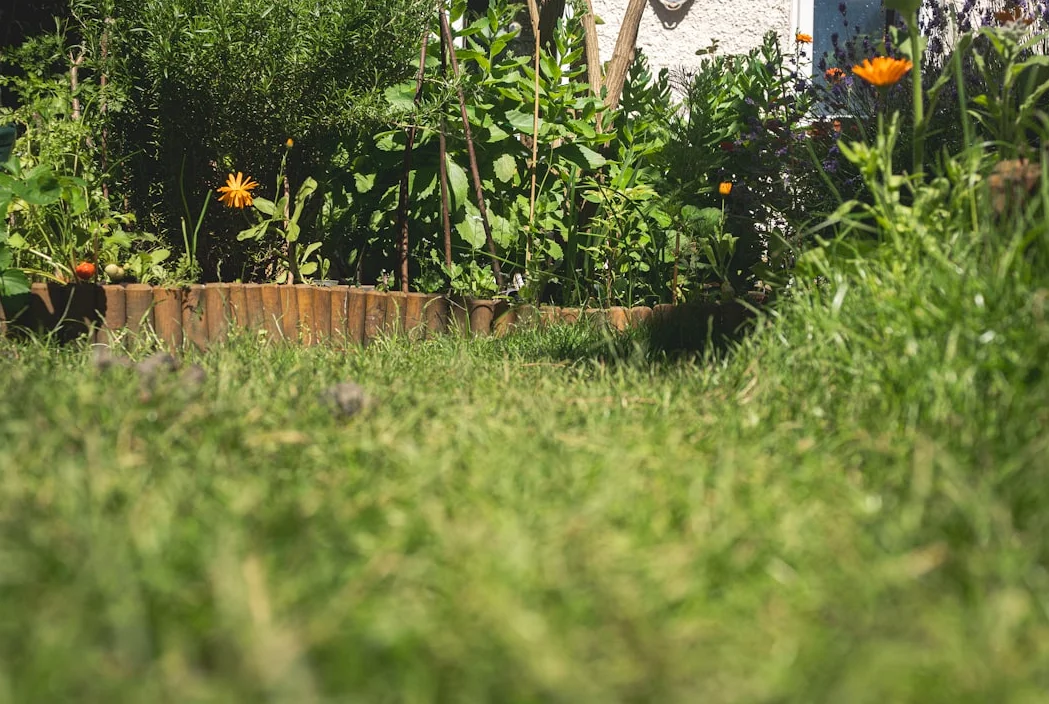
Backyard vegetable gardens are emerging as a popular and practical solution for individuals seeking to reduce their carbon footprint, improve their health, and support local ecosystems. According to experts, growing food at home can significantly cut emissions by reducing the need for long-distance transportation of produce, while also providing a range of physical and mental health benefits.
Environmental and Health Benefits of Homegrown Produce
Gardening contributes to environmental sustainability by promoting biodiversity, reducing soil compaction, and capturing carbon in the soil. Ellen Comeau, chair of the advisory council for the Cuyahoga County Master Gardener Volunteers, noted that vegetable gardens can replace grass or cover patios, offering additional benefits such as cooling air and supporting pollinators through flowering plants.
Homegrown vegetables and fruits have a smaller carbon footprint than store-bought alternatives, which often travel long distances by truck. Carol Connare, editor of The Old Farmer’s Almanac, emphasized the concept of a ‘zero-kilometre meal,’ where food is grown and consumed locally, significantly reducing emissions and supporting climate goals.
Katherine Alaimo, an associate professor of food science and human nutrition at Michigan State University, highlighted the complex health benefits of gardening, including physical activity, emotional well-being, and improved nutrition. She noted that gardeners often grow food organically, without pesticides, and that homegrown produce tends to be more nutrient-dense when eaten fresh.
Gardening also supports a connection with nature, provides a sense of accomplishment, and encourages social interaction through sharing harvests. Alaimo said these factors can contribute to reduced stress levels, lower blood pressure, and increased energy.
Planning and Preparing Your Backyard Garden
One of the most critical factors in planning a backyard garden is sunlight. Most vegetables require at least six hours of direct sunlight per day. If sunny spots are limited, Connare recommended reserving them for fruiting plants, while leafy greens can tolerate more shade.
A nearby water source is also essential for efficient watering. According to Comeau, having access to water reduces the effort needed to maintain the garden and increases the chances of a successful harvest.
Soil quality is another key consideration. Comeau advised starting with a soil test to determine acidity and nutrient levels. Soil samples can be sent to university extension offices, which provide guidance on what to grow and whether fertilizers or soil amendments are needed. For those with barren soil or concrete patios, raised beds with purchased soil are an alternative, though they can be costly and require eventual replacement.
Cost considerations also play a role in determining the size of the garden and whether to sow seeds or buy seedlings. Connare noted that fencing is a major investment to protect against pests such as groundhogs, deer, and climbing critters. The type of fencing depends on the specific threats in the area.
Choosing the Right Plants and Timing
The choice of plants depends on the local plant hardiness zone. Connare recommended consulting neighbors or local gardening groups to learn which plants thrive in the area. For example, some varieties of tomatoes may not grow well in certain regions, while others may flourish.
Kevin Espiritu, founder of Epic Gardening, emphasized the importance of selecting plants that are both easy to grow and personally appealing. While he once focused on quick-growing plants, he now encourages gardeners to choose what they enjoy eating.
Adding flowering plants to attract pollinators can further enhance the garden’s productivity. Local garden centers often provide guidance on native plants that support beneficial insects.
Gardening also requires understanding local climate conditions, particularly frost dates. Espiritu advised gardeners to determine the last frost date in their area and plan planting schedules accordingly. Some crops, such as leafy vegetables, can tolerate slightly colder temperatures, while others need to be planted after the frost threat has passed.
Seed packet labels often provide specific instructions on when to start seeds and when to transplant them. Comeau said that following these guidelines is crucial for successful growth, as some seeds can be started indoors weeks before the last frost date, while others are best planted directly in the ground.





Comments
No comments yet
Be the first to share your thoughts