

 World Headlines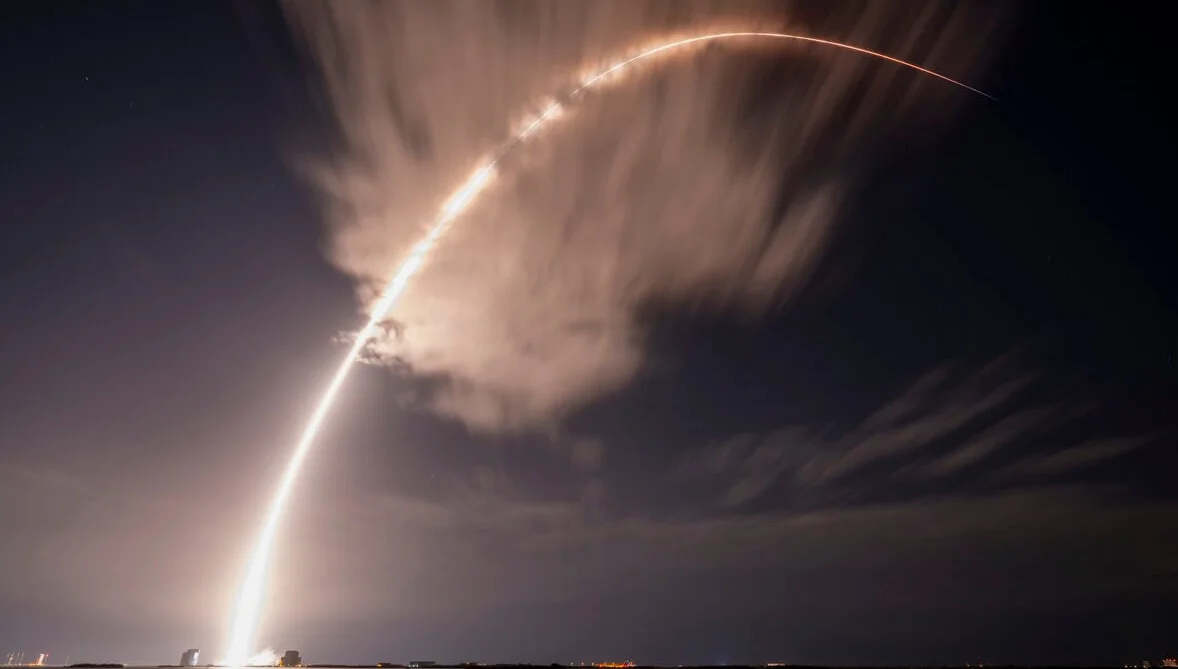
The Civil Aviation Authority of The Bahamas lifted its ban on SpaceX rocket landings, allowing a Falcon 9 first stage to touch down off the country’s coast. Officials granted the approval for the upcoming Starlink satellite deployment, according to the Jamaica Observer.
Launch preparations are underway at Cape Canaveral Space Force Station in Florida. The rocket will follow a southeast trajectory over the Bahamas, the same path used exactly one year ago on February 18, 2025. That flight marked SpaceX’s last successful test landing in Bahamian waters before the prohibition took effect.
The ban stemmed from a Starship test flight on March 6, 2025. During its eighth test, the vehicle suffered a Raptor engine failure shortly after liftoff. The upper stage tumbled and disintegrated, scattering debris over the Bahamas, Turks and Caicos islands, and parts of Florida.
Bahamian authorities responded swiftly. Latrae Rahming, the Director of Communications, announced on X that no further clearances would be issued until a full environmental assessment cleared SpaceX operations. The review focused on potential risks to the marine environment from Falcon 9 landings.
SpaceX had ambitious plans for 2025. Company officials aimed to land 20 Falcon 9 boosters in the Bahamas that year. The Starship mishap derailed those efforts and halted all such operations for 11 months.
Environmental advocates voiced sharp criticism over the decision to resume landings. Joe Darville of Save The Bays told Eyewitness News he expected a much longer suspension. “We have no right to gamble with our ocean—these rockets are not guaranteed accident-free, and the risks to our waters and marine life are real,” Darville said.
Local media echoed those concerns. An article in The Nassau Guardian highlighted potential impacts including noise, vibration, atmospheric effects, and seabed disturbance from recovery operations. “The question is not whether The Bahamas should participate in the space economy,” the piece stated. “The question surrounds the terms in which we participate that will protect what cannot be replaced.”
Falcon 9 rockets boast a strong track record compared to Starship’s early tests, which saw multiple explosions last year. SpaceX has completed hundreds of successful Falcon 9 missions, with reusable boosters landing on drone ships or ground pads. Still, each ocean recovery carries inherent uncertainties in the sensitive Bahamian ecosystem, vital to fishing and tourism industries.
Wednesday’s launch represents a routine Starlink mission, aimed at expanding the constellation of internet satellites. If successful, it could pave the way for more frequent use of the trajectory. SpaceX has not commented publicly on the approval or future landing plans in the region.
Bahamian waters offer a strategic landing zone for east coast launches, minimizing overflight risks over populated areas. The resumption highlights the islands’ growing role in commercial space activities, even as debates over environmental safeguards continue.





Comments
No comments yet
Be the first to share your thoughts