

 The Hindu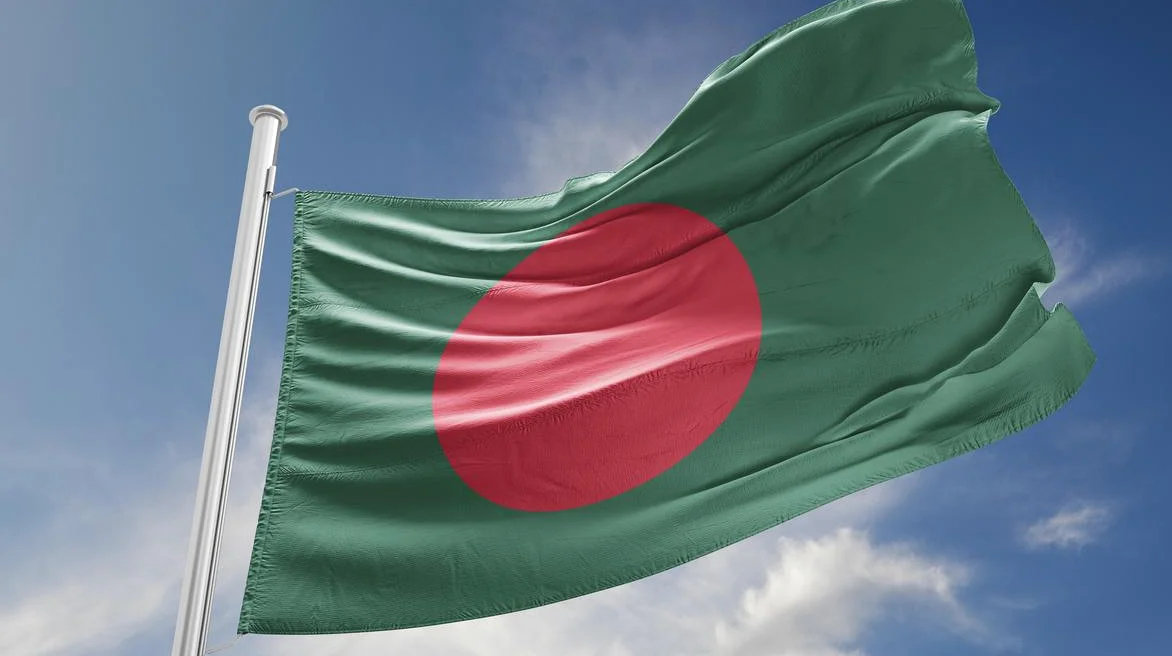
Dhaka — Bangladesh’s new government under Prime Minister Tarique Rahman is preparing to normalize visa issuance for Indian visitors. Diplomatic sources confirmed the shift on Sunday, following the BNP’s landslide election win and Rahman’s swearing-in on February 17, 2026.
The move signals a thaw in relations strained by unrest. Bangladesh suspended visas for Indians in December 2025 amid protests and stone-pelting attacks on Indian missions and visa centers in Dhaka and other cities. Indian diplomatic outposts reported multiple incidents, prompting a public halt to services from the Bangladesh High Commission.
Retaliatory demonstrations erupted in India. Crowds targeted Bangladesh’s High Commission in New Delhi and visa centers in West Bengal, further escalating tensions. Before these disruptions, Indian visa centers in Bangladesh processed over 8,000 applications daily, according to diplomatic sources—mostly for travel, medical treatment and student exchanges.
Visa operations crumbled after the ouster of Prime Minister Sheikh Hasina in late July 2024. Security threats forced Indian Visa Application Centres to operate only sporadically through 2025. By early 2026, issuance had dwindled to about 3,000 medical and student visas monthly, the sources added.
Rahman’s administration marks a sharp pivot. The BNP chairman, long exiled and known as the party’s ‘prince,’ assumed office amid hopes for stability. His inauguration came weeks after former Prime Minister Khaleda Zia’s death, closing a chapter in Bangladesh’s turbulent politics.
India welcomed the overtures. On February 20, 2026, Ministry of External Affairs spokesperson Randhir Jaiswal stated during his weekly briefing that New Delhi seeks to build on historic ties. “India looks forward to further strengthening our complex bilateral ties with Bangladesh,” Jaiswal said.
Officials expect a formal visa notification soon. Until then, Indian travelers face ongoing restrictions. The development could boost cross-border movement, vital for families, students and patients reliant on facilities in Kolkata, Delhi and beyond.
Relations hit lows during Hasina’s final months. Anti-India sentiment fueled protests, with Indian flags burned in Dhaka streets. Hasina’s August 2024 flight to India deepened the rift. BNP leaders, including Rahman, accused her of authoritarianism and economic mismanagement.
Rahman’s return from exile electrified supporters. Operating from London for years, he directed BNP campaigns remotely. His February victory delivered 220 seats in the 350-member parliament, trouncing Hasina’s Awami League.
India watched the polls closely. New Delhi backed Hasina but congratulated Rahman post-election. Jaiswal’s comments underscored pragmatism: trade volumes topped $14 billion last year, with Bangladesh as India’s largest trading partner in South Asia.
Visa restoration tops the agenda. Pre-2024, Indians topped Bangladesh visa lists. Medical tourism drew thousands to Indian hospitals yearly; students filled universities in West Bengal and the northeast.
Challenges persist. Sporadic violence lingers from 2024 uprisings that killed over 300. BNP pledges calm, but opposition demands probes into Hasina-era abuses.
Diplomatic sources predict quick action. One official noted weekend talks between Dhaka and New Delhi envoys focused on visa logistics and border security. Resumed services could start within weeks, targeting peak travel seasons.
The shift reflects broader resets. Bangladesh eyes renewed Indian investments in garments and power sectors. India, meanwhile, seeks assured water-sharing under the 1996 Ganges treaty.
Comments
No comments yet
Be the first to share your thoughts