

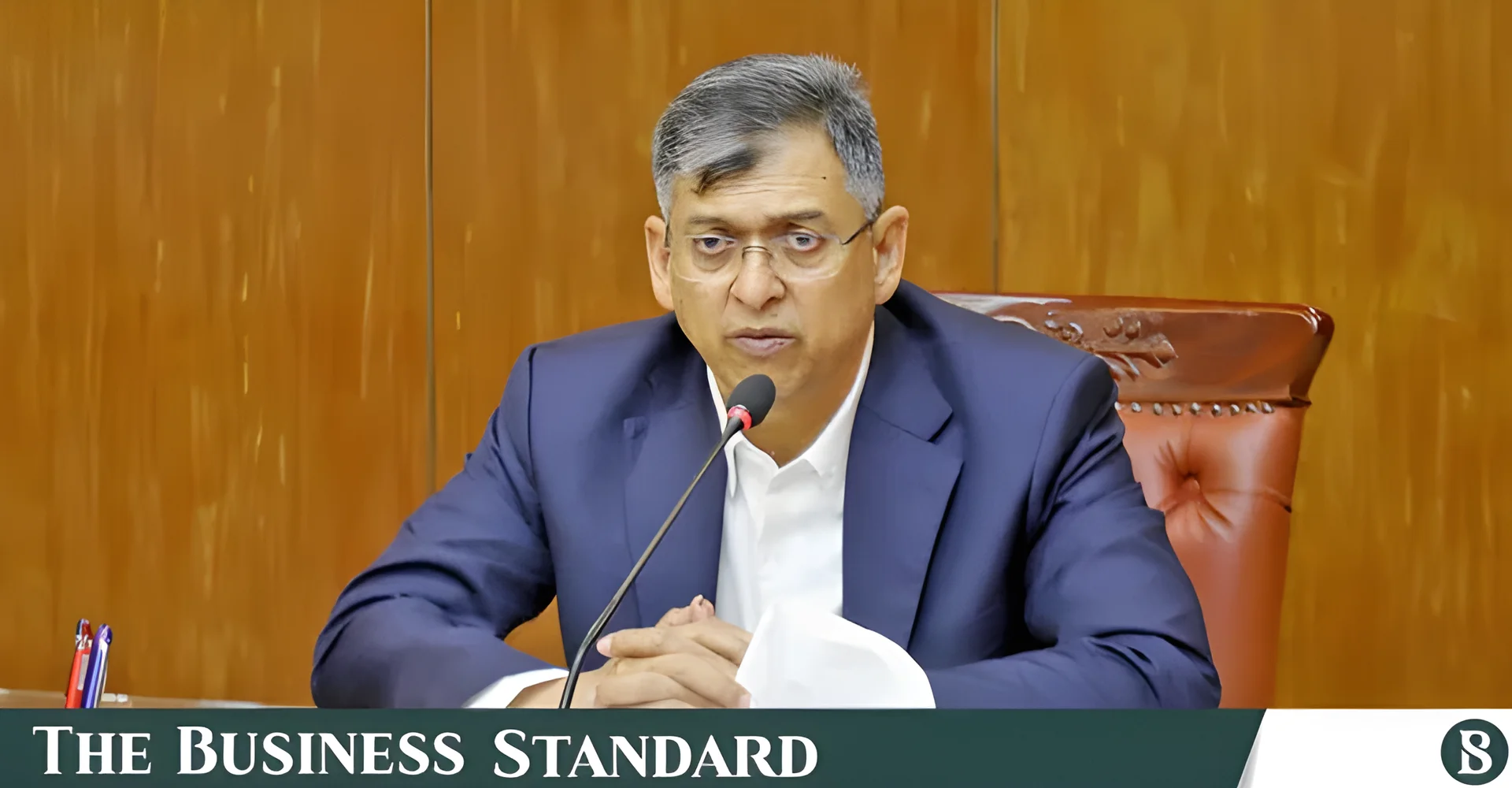
Bangladesh’s Home Minister Salahuddin Ahmed met with UK Home Office Minister Lord Hanson at the Vienna International Centre during the Global Fraud Summit 2026, seeking enhanced cooperation in security and strategic areas. The discussions, held on the second day of the summit, focused on counter-terrorism, maritime security, and defense, according to a Home Ministry press release.
Police Reform and Modernization
A major topic of the meeting was police reform and modernization in Bangladesh. Salahuddin Ahmed emphasized the need for technical assistance and training support from the UK, citing the professionalism of British policing as a model for building a modern, accountable, and people-centric police force in Bangladesh. He noted that the UK’s experience in policing could help strengthen Bangladesh’s law enforcement infrastructure, particularly in the context of rising crime and security challenges.
Lord Hanson expressed the UK’s readiness to support Bangladesh’s stability and democratic progress, especially in the post-election period. The UK minister also highlighted the importance of strengthening bilateral ties in the security domain, stating that collaboration on police modernization could serve as a cornerstone for broader strategic partnerships between the two nations.
Salahuddin Ahmed also referenced recent interactions with UK officials, including a meeting with Sarah Cooke, to accelerate reforms in the security sector. These discussions are part of a broader effort to align Bangladesh’s policing standards with international best practices and ensure a more responsive and effective law enforcement system.
Rohingya Crisis and Regional Stability
The Rohingya refugee crisis was another key focus of the talks. Bangladesh urged the UK to maintain international pressure on Myanmar to facilitate the safe, voluntary, and sustainable repatriation of Rohingya refugees. The Home Minister emphasized the need for continued humanitarian and diplomatic support to maintain regional stability and prevent further escalation of tensions in the region.
Salahuddin Ahmed reiterated Bangladesh’s stance that the repatriation of Rohingya refugees must be conducted in a manner that ensures their safety and dignity. He called on the UK to use its influence in global forums to advocate for a peaceful resolution to the crisis, which has displaced over 700,000 Rohingya people since 2017.
Bangladesh has been hosting over 900,000 Rohingya refugees in camps, primarily in Cox’s Bazar, which has placed significant strain on the country’s resources and infrastructure. The Home Minister warned that without international support, the situation could lead to further humanitarian and security challenges, not only for Bangladesh but for the entire region.
Lord Hanson acknowledged the UK’s commitment to supporting Bangladesh’s efforts in addressing the Rohingya crisis and pledged to continue diplomatic engagement on the issue. He also noted that the UK would work with its international partners to push for a durable solution that respects the rights and safety of the Rohingya community.
Broader Implications for Bilateral Relations
The discussions between Salahuddin Ahmed and Lord Hanson reflect a growing emphasis on strategic cooperation between Bangladesh and the UK, particularly in the areas of security and migration management. The UK’s support for Bangladesh’s police reform could have significant implications for the country’s internal security and governance structures, as well as its broader foreign policy engagements.
Analysts suggest that the UK’s interest in Bangladesh’s security sector is partly driven by shared concerns about transnational crime, terrorism, and regional stability. With Bangladesh’s strategic location in the Bay of Bengal, any improvements in its law enforcement and security infrastructure could have a ripple effect across South Asia and beyond.
According to a recent report by the International Crisis Group, Bangladesh’s security challenges have been exacerbated by rising extremism, organized crime, and the need for modernization in its police force. The UK’s involvement in supporting these reforms could help address these issues and contribute to a more stable and secure region.
The talks in Vienna also come at a time when Bangladesh is seeking to strengthen its international partnerships to support its economic and security objectives. With the UK being one of its key Western allies, the bilateral discussions are expected to play a crucial role in shaping the future of Bangladesh’s foreign policy and security strategy.
Looking ahead, both sides are expected to continue their dialogue on police reform and the Rohingya crisis, with potential follow-up meetings and initiatives in the coming months. The UK’s role in supporting Bangladesh’s security and humanitarian efforts could become a defining aspect of their bilateral relationship in the years to come.






Comments
No comments yet
Be the first to share your thoughts