

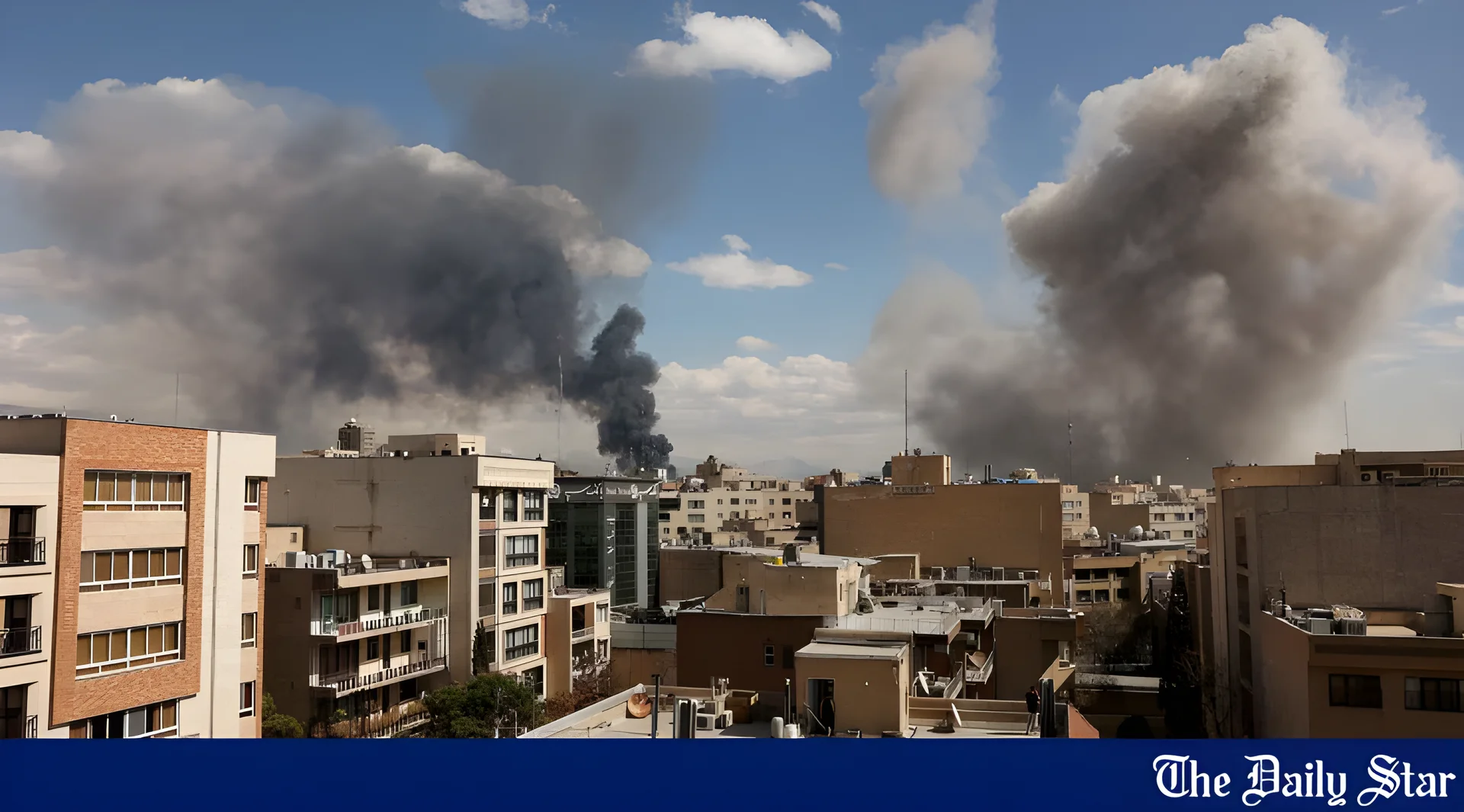
Bangladesh’s Ministry of Foreign Affairs released a statement on Sunday regarding the recent attacks on Iran, a move that highlights the nation’s cautious approach to international conflicts. The statement expressed concern for the safety of Bangladeshi citizens, warned of threats to regional stability, and called for restraint from all parties involved. It also condemned violations of sovereignty in several Gulf states, including Bahrain, Iraq, Jordan, Kuwait, Qatar, Saudi Arabia, and the UAE. However, the document notably omitted naming the United States or Israel, the countries widely believed to have launched the attacks without provocation.
Strategic Neutrality in a Complex Geopolitical Landscape
The omission of the U.S. and Israel from the statement is not accidental. It reflects the government’s strategic calculation, prioritizing long-term diplomatic stability over short-term public sentiment. This is the first time since the BNP government took office two weeks ago that it has refrained from explicitly taking sides in a major international dispute. The statement was seen as a calculated move to handle the complex web of global power dynamics, where a misstep could have significant economic and political consequences.
Diplomatic language is rarely casual, and every word is chosen with care. Bangladesh’s government must balance multiple priorities: maintaining a working relationship with the U.S., keeping goodwill with Gulf countries that host millions of its citizens, securing support from the Organization of Islamic Cooperation (OIC) for its UN General Assembly presidency bid, and avoiding entanglement in a conflict it cannot influence. Naming the aggressors or taking a strongly partisan stance might satisfy domestic opinion, but it could jeopardize crucial international relationships.
Economic Vulnerabilities and Regional Stability
The economic stakes are immediate. Bangladesh’s economy heavily relies on exports, particularly from the garment sector, which is closely tied to Western markets. Any deterioration in relations with the U.S. could lead to reciprocal tariffs or trade penalties, potentially devastating a sector that employs millions and contributes significantly to national revenue. Additionally, millions of Bangladeshis work in the Gulf, and their remittances are vital to both household and national income. Diplomatic missteps could threaten their safety or disrupt these crucial financial flows.
Regional stability is also a concern. Iran, a major Asian power and part of the broader Muslim world, plays a significant role in Bangladesh’s foreign policy. The omission of Iran as the primary victim in the statement has raised questions about consistency in its stance on sovereignty issues. However, policymakers may be considering the uncertain political future of Iran and the possibility that its current leadership may not survive the current crisis. Taking a strongly partisan position now could limit flexibility and carry diplomatic costs, especially for a country with limited global use.
Trump Factor and Multilateral Ambitions
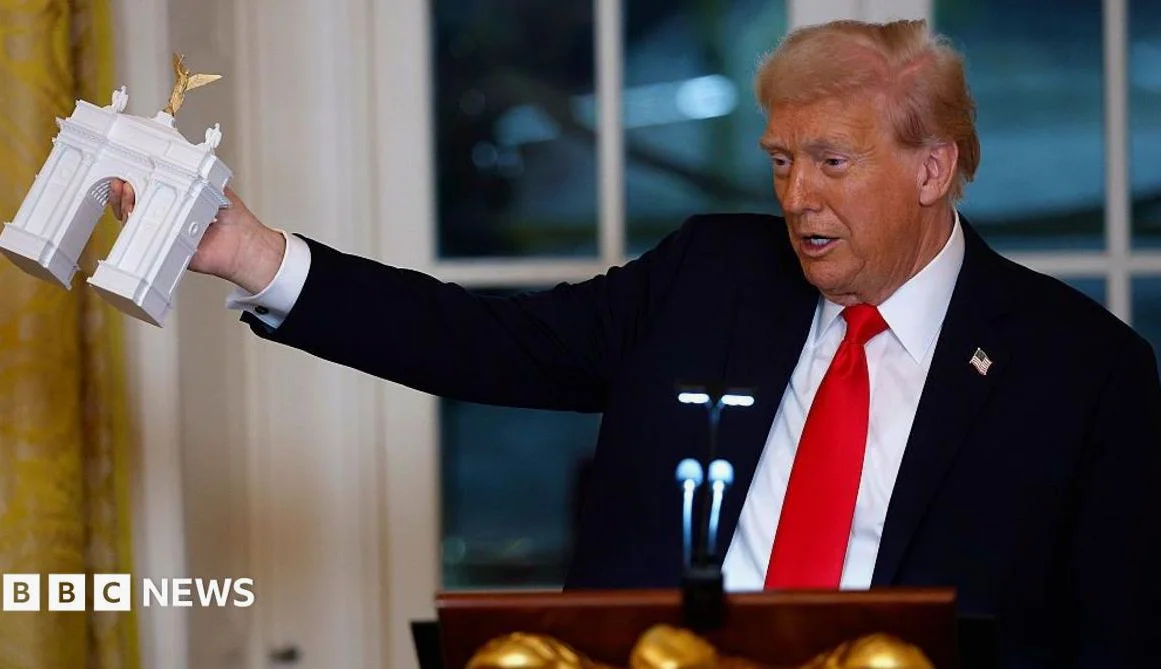
With Donald Trump’s return to the White House, perceived slights are more significant than ever. Trump is known for his unpredictable reactions to criticism, and even a carefully worded statement that names the U.S. as an aggressor could have unintended consequences for trade, aid, or broader engagement. In this context, silence or carefully measured neutrality is a pragmatic acknowledgment of the intersection of power, personality, and economics.
Bangladesh’s multilateral ambitions also shape its approach. The country is campaigning for the presidency of the 81st UN General Assembly for 2026-27, a position it last held in 1986-87. Success depends on broad support, especially from OIC members. Recently, the foreign minister returned from Saudi Arabia, where the host country, alongside Pakistan, Turkey, Palestine, and several others, reaffirmed full support for Bangladesh’s candidacy. With Palestine having withdrawn, Bangladesh now primarily competes with Cyprus. Missteps in tone or language could jeopardize these alliances, making neutrality on Iran a strategic choice.
Despite the careful wording, the statement has faced criticism for its lack of clarity. When reports speak of civilian casualties, targeted killings, and the possibility of wider regional conflict, clarity carries moral and political weight. Small and medium-sized states like Bangladesh operate within hierarchies of power and economic dependence; mistakes here can have real consequences.
Overall, the press release signals a style of diplomacy under the BNP government that prioritizes stability, flexibility, and risk management over rhetorical boldness. It reflects a leadership aware of economic fragility, diaspora dependence, multilateral ambitions, and the unpredictability of great-power politics. Such an approach may frustrate those seeking moral clarity, but it can also be read as responsible statecraft.
Whether this calibrated neutrality will strengthen Bangladesh’s global standing or erode its moral voice will depend on how consistently it is applied. For now, the first signal is clear: the new government intends to handle turbulent waters not with loud condemnation, but with carefully measured silence.




Comments
No comments yet
Be the first to share your thoughts