

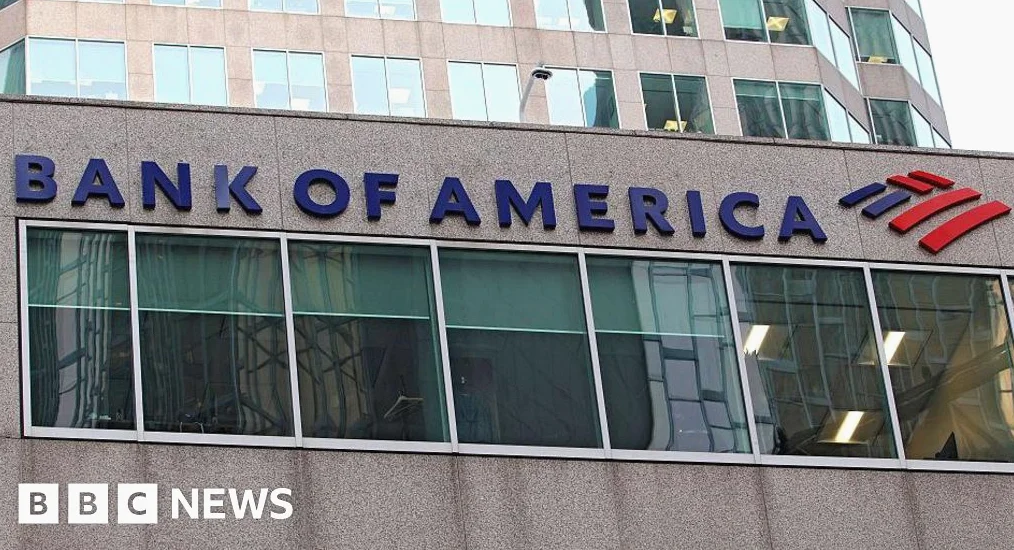
Bank of America has agreed to pay $72.5 million to settle claims related to its ties to financier Jeffrey Epstein, according to multiple reports. The settlement comes after years of legal scrutiny and allegations that the bank facilitated Epstein’s financial activities, including the use of offshore accounts and complex transactions.
Background of the Epstein Lawsuit
The lawsuit. First filed in 2019. Alleged that Bank of America provided financial services to Epstein, including setting up accounts and managing transactions that helped him evade scrutiny. The case was brought by victims of Epstein, who had previously filed civil lawsuits against him, as well as his accusers, seeking justice for alleged sexual abuse and exploitation.
According to a report by CNBC. The settlement includes $72.5 million in compensation for victims and their families, and the payment is expected to be distributed among those who were affected by Epstein’s actions, with the exact distribution details still being finalized.
Bank of America did not admit guilt in the settlement, which was reached without any admission of wrongdoing. The bank has previously stated that it had no knowledge of Epstein’s alleged crimes and that it was following standard procedures in providing financial services.
Legal and Financial Implications
The settlement has significant legal and financial implications for Bank of America, and the $72.5 million payout is one of the largest in the history of corporate settlements related to Epstein’s case. It also highlights the increasing pressure on financial institutions to be more transparent and cautious in their dealings with high-profile clients.
According to the BBC. The settlement was reached after extensive negotiations and legal discussions between the bank and the victims’ representatives. The BBC reports that the settlement is expected to be finalized in the coming weeks, with the first payments to victims likely to be made by the end of the year.
Bank of America’s legal team has emphasized that the settlement is not an admission of liability but rather a resolution to the claims — the bank has also taken steps to improve its internal compliance and risk management practices to prevent similar issues in the future.
Victim Reactions and Public Response
The settlement has been met with mixed reactions from victims and their advocates. Some have welcomed the financial compensation as a step toward justice, while others have criticized the bank for not taking full responsibility for its role in Epstein’s financial activities.
One victim, who requested anonymity, stated, ‘This is a small step toward justice, but it doesn’t erase what happened to us.’ The statement was reported by the BBC, which highlighted the emotional toll on victims and their families.
Advocates for victims have also expressed concern that the settlement may not be enough to address the full extent of the harm caused by Epstein’s actions. ‘While the financial compensation is important, it doesn’t heal the trauma we have endured,’ said one advocate, according to a report from CNBC.
Broader Impact on Financial Institutions
The settlement is expected to have a broader impact on financial institutions, particularly those that have been involved in similar cases, but the case has raised questions about the role of banks in facilitating financial transactions that may be linked to illegal or unethical activities.
According to the BBC, financial regulators are likely to scrutinize the practices of banks more closely in the wake of the settlement. This could lead to increased compliance requirements and stricter oversight of financial transactions involving high-profile individuals.
Bank of America has also faced pressure from shareholders and investors to improve its corporate governance and risk management practices. The settlement has sparked discussions about the need for greater transparency in the banking sector.
What’s Next for Victims and the Bank
The next steps for victims will involve the distribution of the settlement funds, which is expected to be managed by a third-party organization to ensure fairness and transparency. The exact timeline for the distribution remains unclear, but it is anticipated to be completed within the next year.
For Bank of America, the settlement is a step toward resolving the legal and reputational damage caused by its involvement in Epstein’s case. However, the bank will continue to face scrutiny from regulators and the public regarding its compliance practices.
Legal experts suggest that the settlement may not be the end of the matter. Some victims may still pursue additional legal action, while others may choose to accept the financial compensation as a resolution.
Why It Matters
The settlement is a significant development in the ongoing legal and ethical debates surrounding financial institutions and their role in facilitating illegal activities. It highlights the growing demand for greater transparency and accountability in the banking sector.
For victims of Epstein, the settlement represents a long-awaited form of justice, albeit one that may not fully address the trauma they have endured. For financial institutions, it serves as a cautionary tale about the importance of compliance and risk management.
As the case moves forward, it is clear that the impact of the settlement will be felt both by the victims and by the financial industry as a whole. The settlement is expected to influence future legal actions and regulatory policies in the banking sector.






Comments
No comments yet
Be the first to share your thoughts