

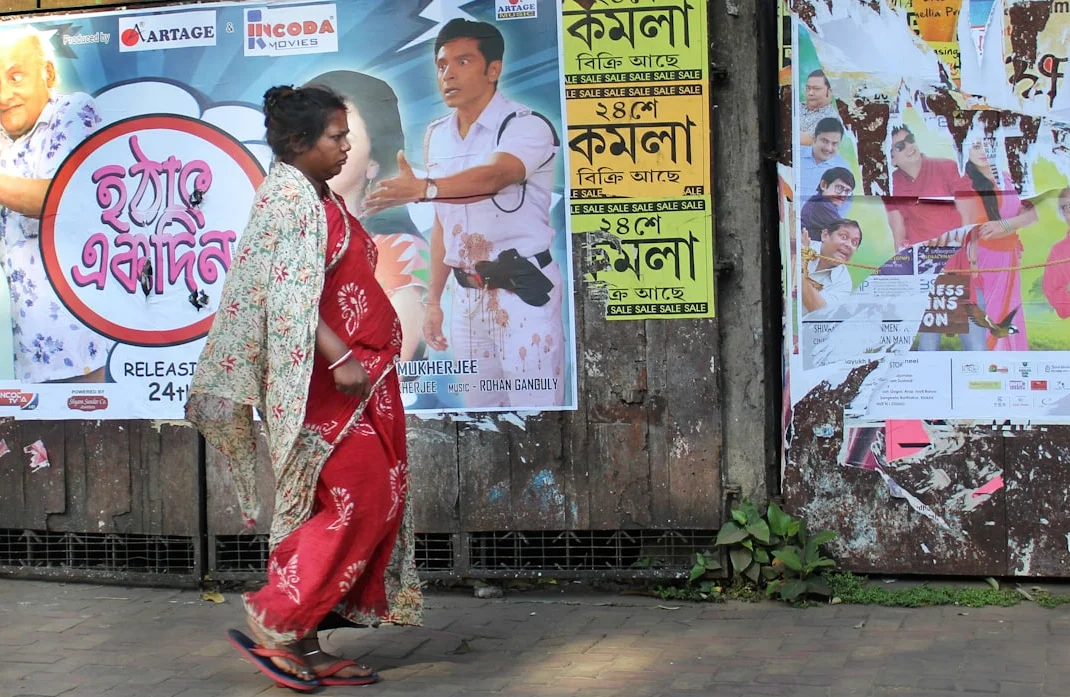
West Bengal has completed judicial adjudication for around 20 lakh cases out of a total of 60.6 lakh referred for review, according to officials. The process, which began as part of the electoral roll cleanup, has seen a third of all cases adjudicated so far, with the remaining cases expected to be resolved in the coming months.
Adjudication Progress and Electoral Roll Impact
At a press conference in Kolkata, officials stated that 60.6 lakh cases had been referred for judicial adjudication as part of the electoral roll revision process. Of these, 20 lakh have been resolved, with the final voters’ list published on February 28 excluding those cases still under adjudication. The supplementary list, expected this month, will reflect the latest decisions on these pending cases.
According to officials, the final electoral roll published on February 28 excluded about 63 lakh names identified as deceased, duplicate, shifted, or missing voters. This marks a significant reduction in the voter base, which has raised questions about the accuracy of the electoral rolls and their impact on upcoming elections.
The adjudication process is being conducted by 732 judicial officers, including around 100 each from neighboring Odisha and Jharkhand. These officers are working round the clock to complete the exercise as soon as possible, according to officials.
Regional Disparities in Adjudication Cases
Officials noted that the highest number of cases referred for adjudication came from the two minority-dominated and Bangladesh-bordering districts of Murshidabad and Malda. These areas, along with North and South 24 Parganas, which also share borders with Bangladesh, have seen a higher number of disputed voter entries.
The geographical concentration of these cases has raised concerns about potential irregularities in voter registration, particularly in areas with high cross-border migration. The inclusion or exclusion of voters from these regions could have a direct impact on the outcome of the upcoming elections.
According to officials, the process is being handled with due diligence, and all cases are being adjudicated based on legal procedures and evidence. However, the exact number of cases that have been found eligible for deletion from the electoral rolls has not been disclosed.
Implications for Upcoming Assembly Elections
The two-phase Assembly elections in West Bengal are scheduled for April 23 and April 29, with the first phase covering 152 constituencies and the second phase covering 142 constituencies. The completion of the electoral roll adjudication process is crucial for ensuring the accuracy of voter lists and the integrity of the electoral process.
The supplementary voter lists, which will be published based on the progress of the adjudication exercise, are expected to provide clarity on the final voter base before the elections. This will allow political parties and candidates to prepare their campaigns accordingly.
Analysts have noted that the electoral roll cleanup has been a contentious issue in the state, with allegations of political bias in the selection of cases for adjudication. However, officials have maintained that the process is being conducted in a transparent and impartial manner.
As the adjudication process continues, the focus will shift to the implementation of the final voter lists and the conduct of the upcoming elections. The results of this process will have a direct impact on the political landscape of West Bengal in the coming months.
With the current pace of adjudication, officials have expressed confidence that the entire exercise will be completed soon, ensuring that the electoral process is conducted smoothly and fairly.




Comments
No comments yet
Be the first to share your thoughts