

 BBC
BBC 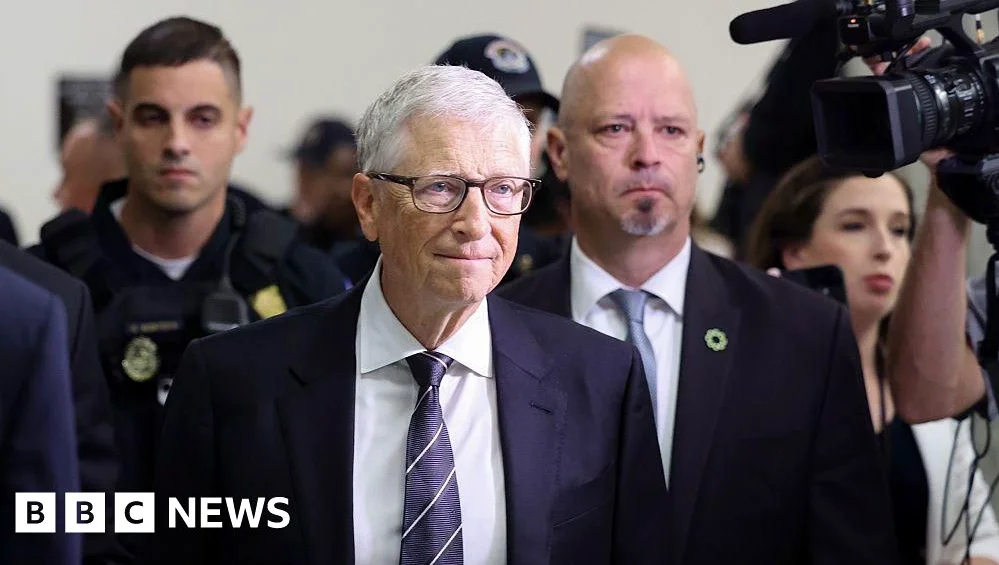
Billionaire Bill Gates appeared voluntarily before a closed-door hearing with the House Oversight Committee, where he discussed his association with Jeffrey Epstein, a convicted sex offender who died in 2019 while awaiting trial. Gates stated that he cut ties with Epstein when the latter could not deliver on fundraising for Gates’s philanthropic efforts.
Epstein’s ‘Friend Collector’ Tactics
During the hearing, Gates revealed that Epstein had used allegations about Gates’s marital infidelities to pressure him into continuing their relationship, Panel members described Epstein as a “friend collector” who associated with powerful individuals like Gates to “project power and influence.”
Gates said he never witnessed Epstein engaging in ongoing criminal conduct and had no indication of it, “I never went to his island, his ranch, or his Florida home. I have never victimized anyone. ” he said; “While he may have sought to promote a personal relationship, I was never interested in that and never reciprocated.”.
Epstein’s Alleged Use of Information
Gates also acknowledged that Epstein used information about his infidelities—alongside fabricated claims,to pressure him into re-engaging. Gates admitted to having had affairs with two Russian women but denied Epstein’s allegations that he facilitated “illicit trysts” or helped him obtain drugs to treat an STI contracted from “Russian girls.”
One of the draft emails attributed to Epstein claimed Gates had surreptitiously given his then-wife Melinda antibiotics to protect her from the same infection; Gates denied these claims and emphasized he never introduced his wife or any minor girls to Epstein.
The association between Gates and Epstein began in 2011, three years after Epstein’s conviction in Florida on charges of soliciting prostitution, Gates made it clear from the outset that Epstein would never play a role in his foundation’s work or receive compensation. In 2014. After Epstein brought together a group of potential donors, Gates concluded that the effort was a “dead-end” and ended contact.
Testimony and Committee Reactions
Committee members. Including top Democrat Robert Garcia. Noted that Gates was aware of the potential for Epstein to be convicted of a “horrific crime” but continued to interact with him in pursuit of funding. Garcia said Gates provided the names of individuals Epstein gathered but did not make them public.
Republican member Tim Burchett described the questions as “very intense” and noted Gates was evasive in some of his responses; “He just liked to have people around him that were big deal and get his picture made with them,” Burchett said, describing Epstein’s tactics.
Gates also admitted to exercising poor judgment in meeting Epstein and said he was “one of many people who regret ever knowing him.” He said he was aware of a travel restriction on Epstein that lasted about 18 months but did not properly check his background.
Lawmakers questioned Gates on how someone with his influence could remain largely uninformed about Epstein’s background, despite publicly available information, though Gates said he hoped “the survivors of Epstein’s crimes can get the justice that they deserve.”






Comments
No comments yet
Be the first to share your thoughts