

 BBC
BBC 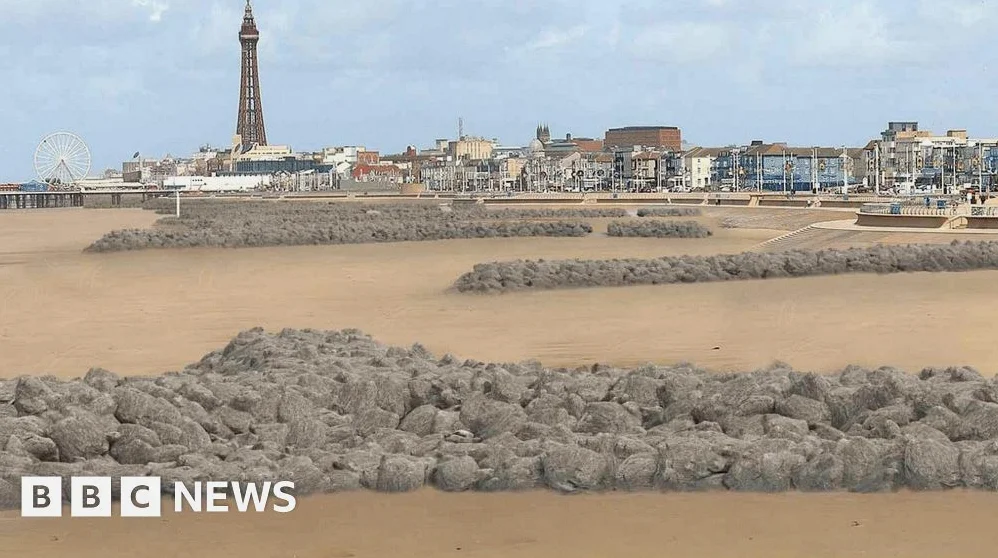
Blackpool Council has submitted a £57 million proposal for new sea defences to safeguard the town’s beaches and prevent flooding, warning that without urgent action, the resort could lose its famed golden sands forever. The plan, which includes the construction of 17 manmade rock headlands and periodic sand replenishment, aims to protect homes, businesses, and the coastline from the growing threat of coastal erosion and rising sea levels.
Protecting a Seaside Icon
The proposed Blackpool Beach Management Scheme, submitted to the Environment Agency, seeks to address the long-term risks posed by climate change. The council has acknowledged that the project may alter the appearance of the beaches, but emphasized that inaction could lead to the permanent loss of the area’s natural coastline.
According to the council’s application, the scheme will involve the installation of 17 rock headlands along a stretch of the beach from just south of South Pier to Cocker Square, just north of North Pier. These structures are designed to trap sand and reduce the impact of waves during storms, thereby preventing further erosion and protecting the underlying clay from exposure.
Deputy leader and cabinet member for climate change Jane Hugo said, ‘If we don’t act now, we risk losing our beach forever and increasing the threat of flooding to our communities. This scheme is essential for securing Blackpool’s future as both a great place to live and much-loved seaside destination.’ She added that the project would ‘safeguard homes and businesses while protecting our coastline for generations to come.’
Climate Change and Coastal Erosion
Climate change is increasingly affecting coastal areas, with rising sea levels and more frequent extreme weather events contributing to the erosion of beaches. In Blackpool, this has already led to the exposure of clay beneath the sand in areas like Anchorsholme, the town’s northernmost coastline, where work on another sea defence project has already begun.
The Local Democracy Reporting Service reported that the loss of sand is exposing the underlying clay, which is more vulnerable to erosion and could compromise existing sea defences. Without intervention, this could lead to a more rapid decline in the quality of the beaches and an increased risk of flooding for the town.
The proposed scheme aims to mitigate these risks by stabilizing the coastline and reducing the likelihood of future erosion. If approved, work on the project is expected to begin in the autumn and be completed between September 2028 and March 2029, according to the council.
Community and Economic Implications
Blackpool’s beaches are a vital part of the town’s identity and a major draw for tourism, which accounts for a significant portion of the local economy. The loss of the beach would not only impact the town’s appearance but could also affect its ability to attract visitors and sustain local businesses.
Experts warn that without adequate investment in coastal defences, the economic and social consequences could be severe. The Environment Agency has already awarded funding for the scheme, highlighting the urgency of the situation and the need for coordinated action.
Residents and local business owners have expressed concerns about the potential changes to the beach’s character, but many acknowledge the necessity of the project in the face of climate change. The council has emphasized that the goal is to preserve the essence of Blackpool’s coastline while ensuring the safety of the community.
The approval of the scheme is pending, and the council is expected to provide further updates in the coming weeks. With the deadline for the project’s completion set for early 2029, time is of the essence to secure the necessary funding and support to begin the work.






Comments
No comments yet
Be the first to share your thoughts