

 BBC News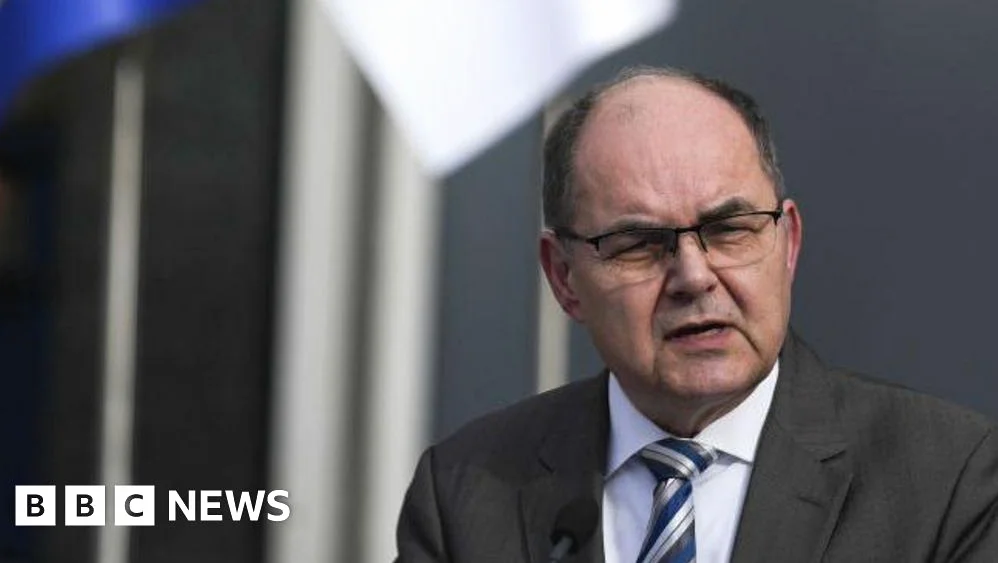
Bosnia and Herzegovina’s most powerful figure, Christian Schmidt, has confirmed that he is stepping down from his role as international high representative; this announcement, according to BBC News, has sparked uncertainty about the future of the position and the country’s stability.
Schmidt’s Tenure Marked by Conflict
Schmidt has served in the role since 2021, the second-longest tenure of any high representative — his time in office was characterized by significant conflict and controversy, according to reports.
His office stated that Schmidt “has taken the personal decision to conclude his service to the implementation of peace in Bosnia and Herzegovina.” This marks a turning point in the country’s political area.
Loss of Key International Support
Schmidt’s appointment was never approved by Russia, and now it appears he has also lost the support of the US, making his position untenable; this development raises broader concerns about the viability of the Office of the High Representative itself and what it might mean for Bosnia’s future.
The role of the high representative dates back to the 1995 Dayton Peace Agreement, which ended the country’s devastating ethnic conflict. The UN-appointed official is responsible for ensuring the agreement is followed and has extensive powers to manage the country’s ethno-political leaders.
Paddy Ashdown, a previous holder of the position, famously used the so-called “Bonn Powers” to sack 60 Bosnian-Serb officials in one day in 2004 for refusing to cooperate with the Hague Tribunal. Ashdown earned the nickname “Viceroy of Bosnia” for his assertive approach.
Later officeholders were more reserved, with international supporters encouraging Bosnian leaders to manage their affairs independently. This approach, however, proved ineffective, prompting Schmidt’s more interventionist strategy.
Controversies and Consequences
Schmidt repeatedly used the Bonn Powers to block separatist legislation by the Bosnian-Serb leader, Milorad Dodik. Despite these efforts, Dodik ignored the blocks and even received a one-year prison sentence and six-year ban from public office as a result.
Cynics have noted that Dodik’s subsequent support for a major gas pipeline project awarded to an obscure US company with links to the Trump family may have been the result of his costly deployment of Washington lobbyists. Schmidt’s reservations about the project, according to BBC News, appear to have cost him Washington’s support.
The next move could be important for Bosnia’s future. Schmidt has indicated he will remain in office until a successor is selected. However, Russia has consistently supported Dodik’s calls for the closure of the Office of the High Representative. If the US follows a similar path, Bosnia could lose the only figure who can act as a safeguard against the separatist ambitions of ethno-nationalist leaders.





Comments
No comments yet
Be the first to share your thoughts