

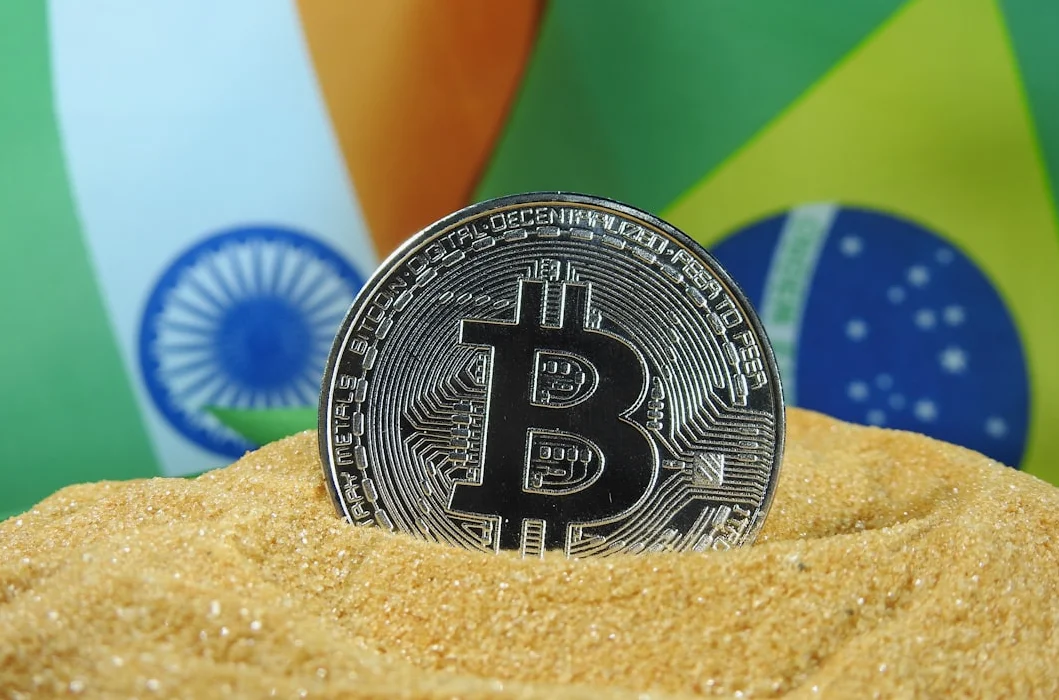
Brazil and India have signed a memorandum of understanding to implement electronic certificates of origin for trade under the Mercosur agreement, marking a significant step in modernizing bilateral trade procedures. The new system is expected to reduce the time required to issue these documents from up to 48 hours to just two hours, according to officials.
Accelerating Trade Flows
The agreement, signed in New Delhi by Márcio Elias Rosa, executive secretary of Brazil’s Ministry of Development, Industry, Trade, and Services, provides legal validity to electronically issued documents. This mutual recognition of digital certificates between the two nations aims to enhance the efficiency of trade operations and reduce procedural delays.
According to Rosa, the move is a ‘concrete step forward in facilitating bilateral exchanges.’ By reducing costs, deadlines, and bureaucracy, the initiative is expected to create conditions for expanding and diversifying trade, strengthening a strategic partnership with ‘great growth potential.’
India is Brazil’s second-largest trading partner in Asia and fifth-largest globally. In 2025, Brazilian exports to India totaled approximately US$7 billion, while total bilateral trade exceeded US$15 billion, according to recent trade data.
Securing Trade Integrity
The electronic certification framework applies to goods traded under the Mercosur-India agreement, including sectors such as animal or vegetable fats and oils. The new certificate incorporates digital signatures to ensure authenticity and data integrity, supporting customs verification of preferential origin.
Authorities state that the measure reduces the risk of document fraud and facilitates customs control. This is particularly important as both countries seek to expand trade while maintaining regulatory compliance and security.
Brazil has already implemented similar digital certification mechanisms in trade with Argentina, Bolivia, Chile, Colombia, Paraguay, and Uruguay, indicating a broader strategy to digitize trade procedures across the region.
Broader Economic Strategy
During the Brazil-India Business Forum in New Delhi, Rosa highlighted trade facilitation, industrial policy, and investment frameworks. He emphasized federal commitments to institutional predictability and stated, ‘This is a commitment of President Lula. We will ensure an essential tripod for economic activity: legal certainty and political stability.’
Rosa also outlined guidelines under Brazil’s New Industry Brazil initiative, referencing energy transition, decarbonization, low-carbon hydrogen, biofuels, logistics investment, and digital economy development as part of the competitiveness strategy. These initiatives aim to position Brazil as a leader in sustainable and technologically advanced industries.
Rosa emphasized the importance of long-term productive partnerships in bilateral cooperation. ‘This is how we will truly strengthen and integrate a new relationship with strong regulatory convergence,’ he concluded.
The Brazilian delegation will continue its journey to South Korea for bilateral meetings following the India visit, signaling a continued push for trade and investment partnerships across Asia.





Comments
No comments yet
Be the first to share your thoughts