

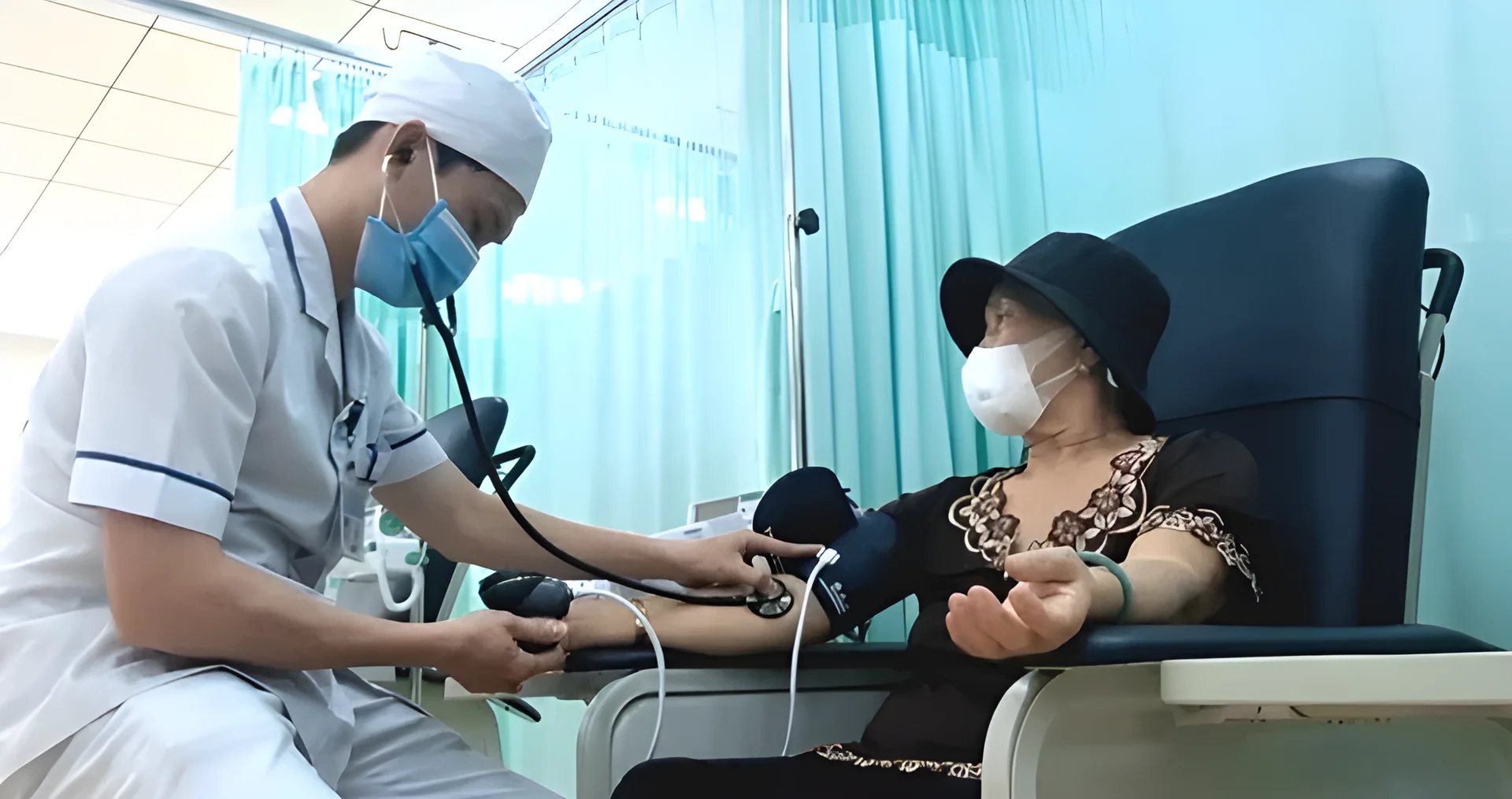
Ho Chi Minh City has witnessed a sharp increase in breast cancer cases, with the number rising by 70% between 1996 and 2015, according to data presented at a recent symposium organized by South Saigon International General Hospital. The event focused on advancements in cancer treatment and care, with experts highlighting the urgent need for early detection and improved screening programs.
Early Detection Remains a Major Challenge
Associate Professor Wendy Y. Chen of the Dana-Farber Cancer Institute at Harvard Medical School emphasized that breast cancer is the most common cancer among women globally and one of the leading causes of cancer-related deaths. In Vietnam, however, only about 26% of patients are diagnosed at stage I, compared to 50-60% in the United States. This gap is largely attributed to the lack of regular cancer screening programs in many Asian countries, including Vietnam.
Data from the Global Cancer Observatory (GLOBOCAN) released in 2022 indicates that breast cancer is the most common cancer among women in Vietnam, with more than 24,500 new cases and over 10,000 deaths each year. This accounts for 28.9% of all female cancers in the country. The rising incidence of breast cancer is partly linked to lifestyle factors such as overweight and obesity, physical inactivity, and alcohol consumption.
Studies have shown that women with a body mass index (BMI) above 30 face a 20-30% higher risk of developing breast cancer. This increased risk is associated with higher estrogen levels in the body due to fat tissue. Regular physical activity can help reduce this risk, while long-term alcohol consumption is linked to a higher likelihood of breast cancer.
Medical Advances Improve Survival Rates
Despite the challenges in early detection, medical advancements have led to improved survival rates for patients with metastatic breast cancer. According to Vuong Dinh Thy Hao, deputy head of the Chemotherapy Department at Cho Ray Hospital in Ho Chi Minh City, more than one-third of patients with metastatic breast cancer now live for over five years. This is a significant improvement compared to previous decades.
Hospitals in Ho Chi Minh City are also seeing an increase in breast-conserving surgery, with about 30% of patients undergoing this procedure. These surgeries are supported by widely available treatments such as radiotherapy and chemotherapy, which are offered at many healthcare facilities across the city.
Nguyen Truong Khuong, director of South Saigon International General Hospital, highlighted the importance of continuously updating scientific advances and personalizing treatment regimens to improve patients’ quality of life. He noted that more than one-third of patients with metastatic breast cancer can now live for over five years, a testament to the progress made in cancer care.
Risk Factors and Prevention Strategies
Experts warn that individuals with a family history of breast cancer are at higher risk of developing the disease and may consider genetic testing to assess their risk. The Vietnam Ministry of Health recommends that women aged 40 and above undergo clinical breast exams and mammography once a year. Those at high risk or with a family history should begin screening from the age of 25.
Women are advised to perform monthly breast self-examinations five to seven days after their menstrual period. This simple practice can help detect changes early, increasing the chances of successful treatment. However, many women in Vietnam still lack awareness about the importance of regular screenings and early detection.
The rising number of breast cancer cases in Ho Chi Minh City highlights the need for increased public health campaigns and improved access to cancer screening services. With breast cancer cases continuing to rise, the healthcare system must adapt to meet the growing demand for early detection and advanced treatment options.
According to recent reports, the number of breast cancer cases in Ho Chi Minh City is expected to increase further in the coming years, with experts predicting a continued rise in incidence rates. This trend highlights the importance of addressing lifestyle factors, improving access to screening programs, and enhancing public awareness about the disease.
As the city grapples with the growing burden of breast cancer, healthcare providers are working to implement new strategies to improve early diagnosis and treatment outcomes. These efforts are critical in reducing mortality rates and improving the quality of life for patients living with breast cancer.






Comments
No comments yet
Be the first to share your thoughts