

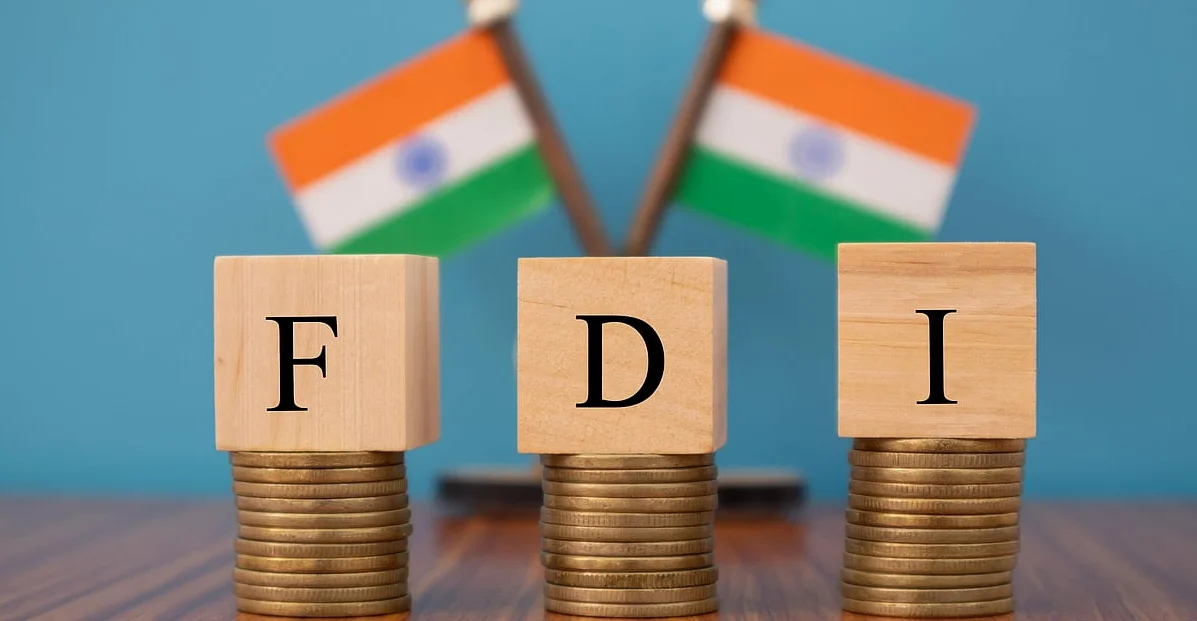
India’s cabinet has taken a significant step to ease foreign direct investment (FDI) norms for countries sharing land borders, including China, in an effort to attract more investment into critical manufacturing sectors such as electronics, solar energy, and capital goods. The move aims to streamline regulations and reduce bureaucratic hurdles for foreign investors, particularly in industries that require substantial capital and long-term planning.
Strategic Shift in Investment Policy
The decision marks a strategic recalibration of India’s investment policy, signaling a more open stance toward countries with which it shares land borders. This includes China, as well as nations like Pakistan, Bangladesh, and Nepal. The change is expected to facilitate smoother investment flows without compromising on national security or sectoral safeguards.
According to Vaibhav Kakkar, a senior partner at Saraf and Partners, the government’s move to relax the blanket approval regime introduced in 2020 is a detailed approach to reducing transactional friction for genuine investors, including those from China. He said the change would likely encourage cross-border mergers and acquisitions, minority investments, and delayed funding rounds in capital-intensive sectors like manufacturing and the startup ecosystem.
Impact on Trade and Manufacturing
The relaxation of FDI norms is expected to have a significant impact on India’s manufacturing and trade sectors. With China being one of the largest sources of venture capital for Indian startups, this policy shift could unlock new funding opportunities for early-stage and growth-phase companies. The electronics and solar sectors, which are crucial for India’s energy transition and technological development, are likely to benefit the most from this change.
India has been striving to become a global manufacturing hub, and this policy is aligned with its ‘Make in India’ initiative. The government has been pushing for increased domestic manufacturing to reduce dependency on imports and create more jobs. By easing FDI norms for neighboring countries, India hopes to use regional trade routes and investment flows to boost its manufacturing base.
Analysts believe that this move could lead to an increase in cross-border investments, particularly in sectors that require large-scale infrastructure and long-term planning. According to a report by the Confederation of Indian Industry (CII), the electronics sector alone could see an inflow of up to $5 billion in foreign investment over the next five years if the policy is effectively implemented.
What Analysts Say
Kakkar emphasized that the policy is not a complete liberalization but a targeted easing of regulations. He said, ‘The change is likely to facilitate cross-border M&A, minority investments and delayed funding rounds, particularly in capital-intensive sectors such as manufacturing, and the startup ecosystem, where several Indian startups have historically relied on Chinese venture capital and strategic investors in their early and growth stages.’
Industry experts have welcomed the move, noting that it could help India attract more investment from countries with which it shares borders. However, they caution that the success of the policy will depend on how effectively the government implements it and enforces the necessary safeguards to prevent any potential risks associated with increased foreign investment.
The government has also introduced a phased implementation plan, with the first set of changes coming into effect immediately and others to be rolled out over the next six months. This allows for a more measured approach to assessing the impact of the new policy on the economy and ensuring that it aligns with broader national goals.
As India continues to refine its investment policies, the focus remains on balancing economic growth with national security and regulatory oversight. The cabinet’s decision to ease FDI norms for China and other land-bordering nations is a clear signal of India’s intent to open up its markets while maintaining control over critical sectors.
The new policy will be closely watched by investors, industry stakeholders, and policymakers, as its success will determine whether India can effectively use its geographical proximity to neighboring countries to boost its manufacturing and technological sectors.






Comments
No comments yet
Be the first to share your thoughts