

 Guardian
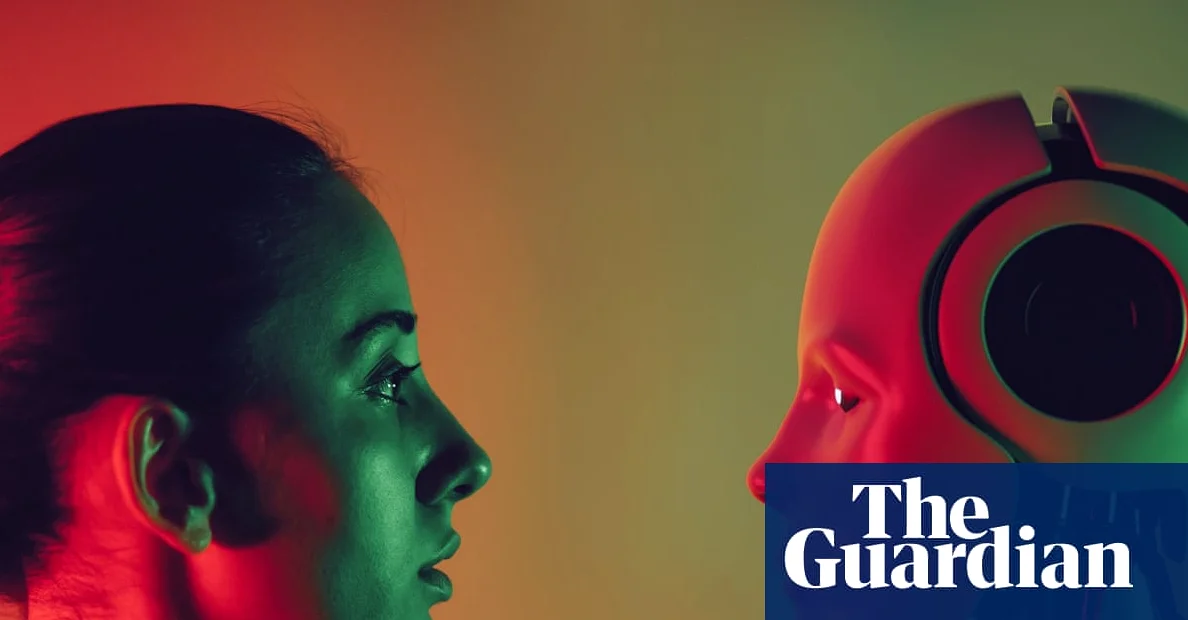
Cambridge Dictionary has chosen the word ‘human’ as its word of the year for 2026. The selection highlights the increasing importance of distinguishing human qualities in a world where artificial intelligence is advancing rapidly, the Guardian reported on November 18.
Defining Human in the Age of AI
According to the dictionary, ‘human’ is defined as ‘having the qualities, faults, and feelings that people have, as opposed to gods, animals, or machines.’ This choice reflects the current debate over what it means to be human in the context of AI breakthroughs, particularly the arrival of ChatGPT three years ago.
Evolutionary biologist Richard Dawkins has argued that AI systems can achieve a form of consciousness, stating he was ‘left with the overwhelming feeling that they are human.’ Others, however, remain skeptical about the fundamental differences between human and machine development.
The Impact of AI on Language
Colin McIntosh, an editor of the dictionary, explained that AI has ‘changed the way we talk about being human.’ He noted that the word ‘human’ is increasingly used to distinguish human work and qualities from those of AI systems. He cited the growing use of compound words like ‘human-made,’ which highlight this distinction.
‘Fears about what humans may lose when we outsource our thinking has made us reconsider the extent to which we rely on AI: from top mathematicians to teachers of young children,’ McIntosh said. He also observed a four-fold increase in the use of the word ‘human’ since 1900.
McIntosh noted that the word ‘man’ was once used to denote both genders, but is no longer considered acceptable. ‘Human didn’t come into use in Middle English until the 14th Century, from a French word. Shakespeare used it, but after that it was very restricted in use,’ he added.
Broader Implications and Other Notable Words
Prof. Rachel Adams, an expert on AI governance at the University of Cambridge, stated that AI ‘brings us back to questions we’ve asked for millennia: who are we, what does it mean to be human?’ The answers to these questions have never been fixed, but the process of asking them remains a shared human experience.
Other words considered for the honor included ‘agent’ and ‘analogues,’ both related to technology. A non-tech contender was ‘wholesome,’ used to describe something that improves life physically, morally, or emotionally. Meanwhile, ‘mogging’ was named Collins’ word of the year earlier this month.
The Cambridge Dictionary also added new terms such as ‘looksmaxxing,’ which refers to the act of making oneself as physically attractive as possible, and ‘aura farming,’ which involves activities aimed at projecting an admired personality online.
Microsoft co-founder Bill Gates commented on the selection, stating that ‘the measure of AI’s success should be how much it improves human lives.’ He also advocated for ‘human reserved jobs,’ such as caregiving, and proposed a robot tax to support workers displaced by automation.




Comments
No comments yet
Be the first to share your thoughts