

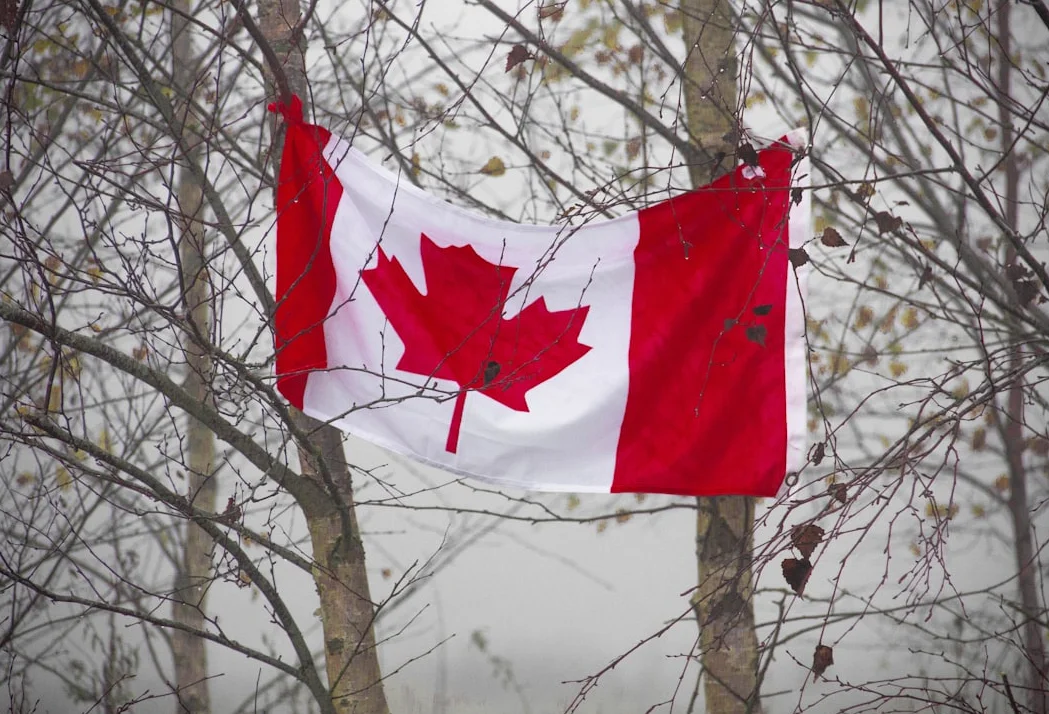
Prime ministers of Canada and the Nordic countries convened in Oslo on March 15, 2026, to announce a strengthening of their collective security and economic ties, emphasizing a united front in the face of escalating global conflicts and Arctic geopolitical shifts. The joint statement, issued after a high-level meeting in the Norwegian capital, reaffirmed the six nations’ commitment to cooperation in areas such as defence, trade, low-carbon energy, technology, and mineral resources.
Strengthening Alliances Amid Regional and Global Crises
The announcement follows a period of heightened international tensions, including the ongoing war in Ukraine, the US lifting sanctions on Russia, and the Middle East conflict. Danish Prime Minister Mette Frederiksen underscored the importance of unity, stating, ‘With everything going on now, with a war going on in Ukraine, a United States unfortunately lifting up sanctions on Russia, a war in the Middle East, countries like ours have to stand together.’
All six nations are members of NATO, and they have agreed to deepen their collaboration in multiple domains. The leaders emphasized their ‘unwavering’ support for Ukraine, a key point of alignment in the face of Russian aggression. They also highlighted the need to address evolving challenges in the Arctic region, which has long been considered a zone of ‘Arctic exceptionalism’—a concept suggesting the region is largely free from geopolitical rivalries.
However, the dynamics between Russia and the West have shifted significantly since the invasion of Ukraine, and the Arctic’s strategic importance has grown. Canadian Prime Minister Mark Carney, addressing a press conference in Oslo, noted, ‘We’re all facing a growing list of challenges. Challenges to Arctic security, challenges that come from the changing nature of warfare, the challenges which interact with changing technology and conflicts, both actual and virtual that are moving closer to all of us.’
Arctic Security and Resource Interests
The Arctic, which is warming at a rate three to four times faster than the global average, is becoming increasingly contested. Melting sea ice has opened new shipping routes and made access to oil, gas, minerals, and fisheries more feasible. This has drawn the attention of not only Arctic nations but also global powers like China and Russia.
At the meeting, the leaders reaffirmed that Russia remains the primary threat to Arctic security. Norwegian Prime Minister Jonas Gahr Store added, ‘On the longer horizon, you can see China,’ suggesting that the region’s strategic significance will continue to evolve with the rise of new global players.
The Arctic’s growing importance is also reflected in NATO’s recent initiatives. In February, the alliance launched the Arctic Sentry mission to bolster security in the region. This move was partly aimed at reassuring US President Donald Trump, who had previously expressed interest in acquiring Greenland, which he claimed was vital for national security reasons.
The current meeting in Oslo coincides with the Cold Response military exercise, which involves approximately 32,000 troops from 14 countries, including the United States, Norway, and Finland. The exercise, held every two years, focuses on training in extreme winter conditions and is seen as a critical component of Arctic military readiness.
Forward-Looking Implications and Future Collaborations
The deepening of defence and economic ties between Canada and the Nordic countries is expected to have long-term implications for regional stability and global security. Analysts suggest that the collaboration may lead to joint military exercises, shared technology development, and expanded trade agreements, particularly in the fields of green energy and critical minerals.
One of the key areas of focus is the development of low-carbon energy technologies, which aligns with global climate goals and the strategic interests of all six nations. The Nordic countries have long been leaders in renewable energy innovation, and Canada has been investing heavily in clean technology as part of its broader climate strategy.
According to experts, the strengthening of these ties could also serve as a counterbalance to Russian influence in the Arctic, which has been expanding through military modernization and territorial claims. The leaders have expressed a shared commitment to maintaining the region’s security and preventing an arms race that could destabilize the area.
The collaboration between Canada and the Nordic countries is not just a response to current challenges but also a strategic move to ensure long-term stability and prosperity. As global powers continue to compete for influence in the Arctic, the unity of these nations represents a significant shift in the region’s geopolitical landscape.
The next steps for the alliance include the development of a formal framework for cooperation, the establishment of joint research initiatives, and the expansion of military exercises. The leaders have also agreed to hold regular summits to assess progress and adjust strategies as needed.






Comments
No comments yet
Be the first to share your thoughts