

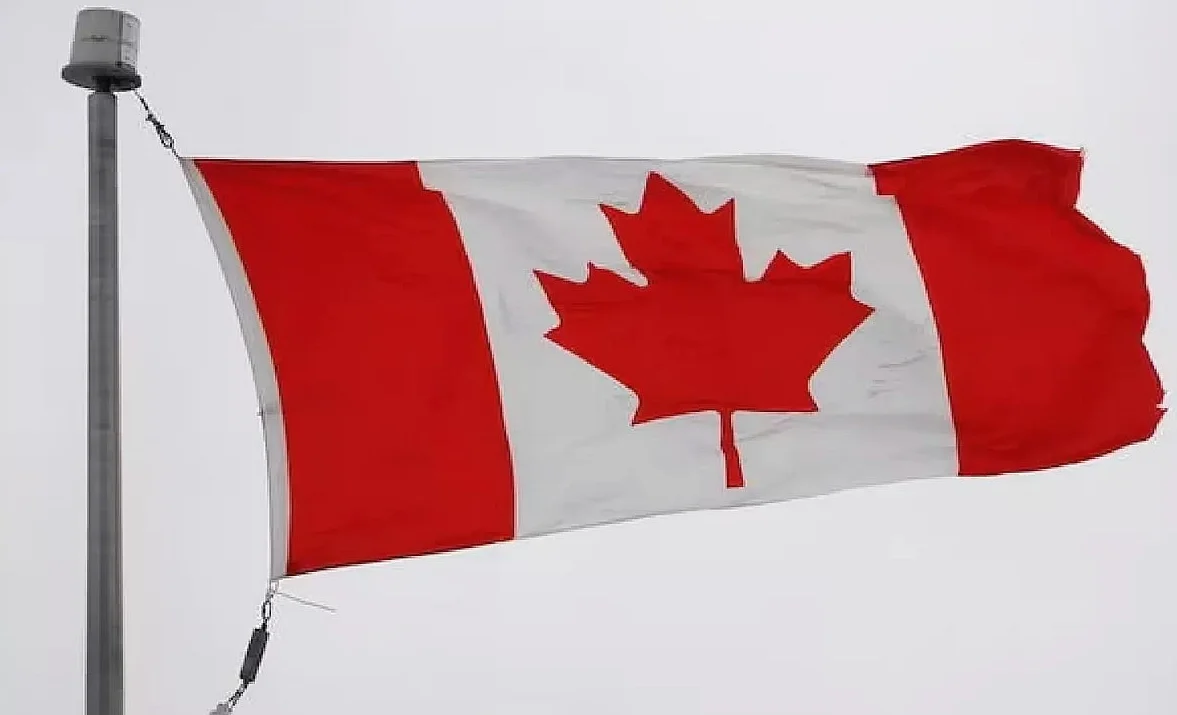
OTTAWA — In a significant development, the Canadian federal government has stated that it no longer considers India to be linked to violent crimes in the country, a notable shift in position as Prime Minister Mark Carney prepares for a high-profile visit to India later this month.
Shift in Diplomatic Stance
A senior Canadian official confirmed the new assessment during a media briefing in Ottawa, as reported by the Toronto Star. The statement was made just days before Carney’s nine-day trip to India, which will include stops in Mumbai and New Delhi, where he is expected to meet Prime Minister Narendra Modi.
The official, who requested anonymity, said, ‘We have a very strong diplomatic engagement, including between national security advisers, and I think we can say we’re confident that that activity is not continuing.’ This suggests that Canadian authorities no longer see ongoing foreign interference or violent activity tied to India at present.
The remarks come after a period of heightened tensions between the two countries, particularly following the June 2023 killing of Hardeep Singh Nijjar outside a gurudwara in British Columbia. The case had raised concerns about potential links between Indian state actors and violence on Canadian soil.
Context of Tensions and Diplomatic Relations
The relationship between Canada and India has been strained since the murder of Nijjar, who was a Canadian citizen of Indian origin. The incident led to a diplomatic rift, with Canada accusing India of involvement, prompting a series of sanctions and a temporary suspension of high-level diplomatic interactions.
According to the Canadian government, the decision to reassess the link between India and violent crimes comes after a thorough review of intelligence and diplomatic communications. Officials have emphasized that the relationship with India is now being approached with a more ‘pragmatic’ outlook, focusing on economic and strategic cooperation.
‘This is not an indication that the situation is entirely resolved, but rather that we are confident the current threats have been mitigated,’ the unnamed official said. The statement signals a potential thaw in relations and a focus on economic collaboration over security concerns.
Implications for Future Diplomacy and Trade
Carney’s upcoming visit is expected to include discussions on trade, investment, and climate change, areas where Canada and India have significant mutual interests. The government has stated that deepening economic ties with India is a priority, given its role as the world’s most populous country and a key player in global trade.
According to the Canadian Department of Foreign Affairs, the two nations have already agreed to work on a new trade agreement and to expand cooperation in technology and renewable energy. The visit is also expected to address outstanding issues from the Nijjar case, although no formal resolution has been announced.
Analysts suggest that the shift in Canada’s stance could pave the way for more stable diplomatic relations with India. However, they caution that the underlying issues from the Nijjar case may still require further clarification and reconciliation.
The Canadian government has not provided a specific timeline for the next steps in its diplomatic engagement with India. However, officials have indicated that the focus will remain on strengthening bilateral ties and addressing shared global challenges.
As Carney prepares for his trip, the announcement of Canada’s reassessment of India’s role in violent crimes marks a key moment in the evolving relationship between the two nations.





Comments
No comments yet
Be the first to share your thoughts