

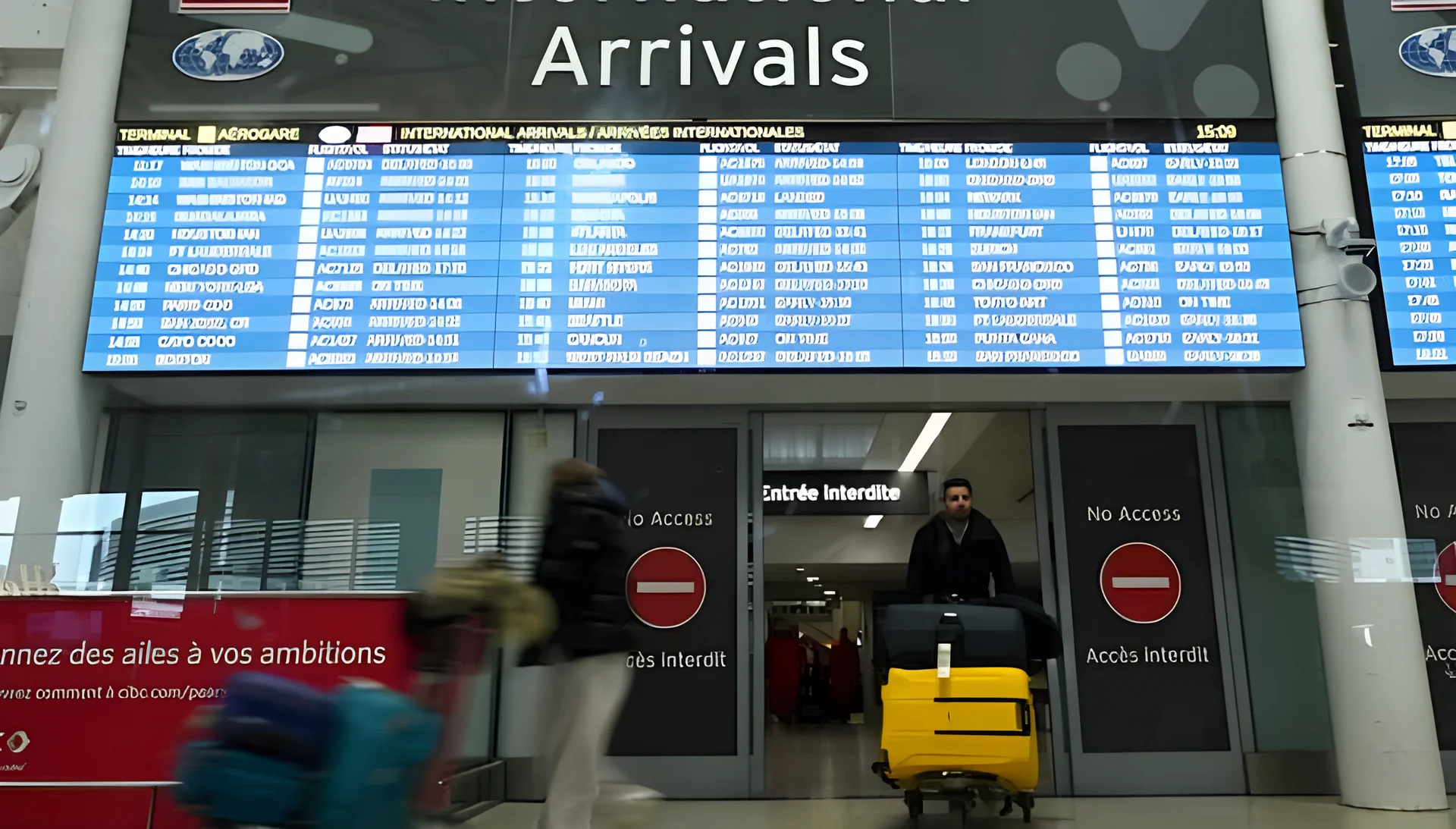
The Canadian government is currently evaluating whether to extend funding for the Canadian Transportation Agency (CTA), which is responsible for handling air passenger complaints. If the funding is not renewed, Canadians could face prolonged wait times for their complaints to be addressed, according to reports.
Backlog of Complaints Grows
The CTA, a quasi-judicial body tasked with resolving disputes between airlines and passengers, has been grappling with a mounting backlog of complaints since the implementation of the Air Passenger Bill of Rights in 2019. That regulation requires airlines to compensate passengers for delays or cancellations caused by the airline’s own actions. Those who believe they were unfairly denied compensation can bring their cases to the CTA.
In 2023, the government allocated nearly $76 million to the CTA to address the backlog, but this funding is set to expire this year. Since that funding was announced, the number of unresolved complaints has more than doubled. On the day of the funding announcement, the backlog stood at around 42,000 cases. As of now, it has ballooned to approximately 95,000 complaints, according to the agency.
A CTA spokesperson stated in an email that the increase in complaints is largely due to a surge in filings. However, the agency claims it has become more efficient in processing cases, thanks to the implementation of a new system in 2023. The spokesperson noted that the CTA has averaged over 40,000 complaints per year for four consecutive years, and in January 2026, the agency received its highest monthly total of 5,685 complaints.
Government Review Underway
Transport Minister Steven Mackinnon has not confirmed whether the current funding for the CTA will be renewed. In a statement, a spokesperson for Mackinnon said the government is aware of concerns about the backlog and is reviewing the resources required to support federal agencies and meet the needs of Canadians.
The current decision comes at a time when the Liberal government is seeking to reduce costs across the board. This has raised concerns among some stakeholders about whether the CTA will continue to receive the necessary support to process the growing number of complaints.
Ian Jack, a spokesperson for the Canadian Automobile Association (CAA), expressed concern over any measures that might reduce resources for processing the backlog. He emphasized that many Canadians have filed complaints in good faith, following the government’s own rules, and deserve to have their cases heard in a timely manner.
Jack noted that the CAA provides travel services, including flight bookings, and is directly affected by the current situation. He said the current state of affairs is far from what passengers deserve, particularly as the government has committed to an overhaul of air passenger rights regulations.
Political Criticism and Uncertainty
Dan Albas, the Conservative transport critic, criticized the government for not providing the CTA with the necessary resources. He pointed out that Transport Minister Steven Mackinnon is also serving as the government’s House leader, which may be affecting his ability to focus on the transport file.
Albas argued that the government needs to demonstrate a commitment to air passengers by providing a clear plan and showing leadership. He said that the current system, which has been in place since 2019, is poorly designed and has failed to resolve the growing backlog, despite increased funding.
Jack, on the other hand, believes that the government’s proposed overhaul of the air passenger rights regulations could help alleviate the pressure on the CTA. He said that if the government moves forward with amendments to the system, as it has promised to do, it could simplify the process and reduce future backlogs.
However, Albas is skeptical about the effectiveness of these proposed changes. He said the government needs to present a better plan, as simply providing more funding has not solved the issue. He also cited concerns from rural and remote airports about the potential impacts of any changes to the current system.
Despite the government’s promise to introduce new regulations since 2023, the CTA and the government have yet to implement these changes. The delay in reform has left many stakeholders, including passengers and industry representatives, concerned about the future of the system.
The situation highlights the growing tension between government priorities, such as cost reduction, and the need to ensure that Canadian passengers receive timely and fair resolution of their complaints. With the CTA’s current funding set to expire, the decision on whether to renew it will have significant implications for the thousands of Canadians waiting for resolution.






Comments
No comments yet
Be the first to share your thoughts