

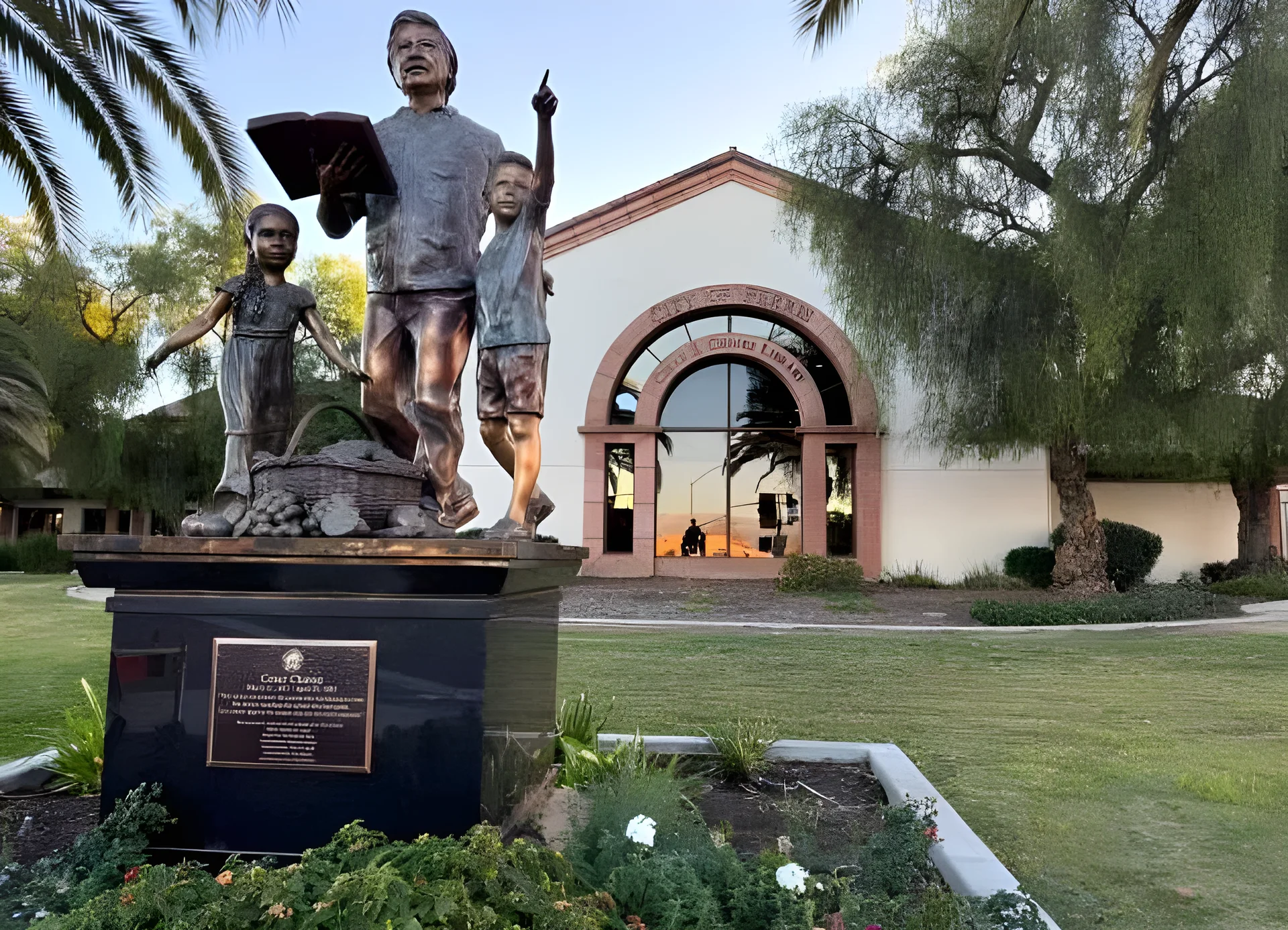
In Southern California, where César Chávez’s name is etched into streets, schools, and monuments, a new narrative has emerged — one of profound betrayal and deep disillusionment. The allegations against the labor icon, now being widely discussed, have cast a long shadow over the man once celebrated as a champion of farmworkers and civil rights. The revelations, first detailed in a New York Times investigation, followed by a powerful statement from longtime ally Dolores Huerta, have sent shockwaves through communities that had long revered him.
A Legacy Under Scrutiny
César Chávez, who co-founded the United Farm Workers (UFW) in 1962, was a central figure in the fight for immigrant and labor rights in the United States. His name became synonymous with justice, nonviolent resistance, and the dignity of farm laborers. But now, the man who once led marches and boycotts to secure better conditions for workers is being accused of using his influence to groom and sexually abuse young women, including Huerta herself.
According to the New York Times, Huerta, 96, detailed in a statement that she had two separate sexual encounters with Chávez in the 1960s. The first, she said, was manipulated and pressured, while the second was forced. Both incidents led to pregnancies, which she kept secret for decades. ‘I have kept this secret long enough,’ she wrote. ‘My silence ends here.’
Responses and Reactions
The UFW, which Chávez co-founded, has taken a dramatic step back from celebrating his legacy this year. The union announced it would cancel its annual César Chávez Day events and create a confidential channel for anyone harmed by the labor leader to share their experiences. ‘These allegations have been profoundly shocking,’ the organization said in a statement. ‘We need some time to get this right.’
The fallout has been swift. In Arizona, Governor Katie Hobbs became the first to say her state would no longer recognize César Chávez Day as an official holiday. Other states, including California, are being urged to reconsider the commemoration. In San Francisco, former Supervisor Susan Leal has called for streets named after Chávez to be renamed, possibly to honor Huerta instead.
Meanwhile, cities like Austin, Texas, and Tucson, Arizona, have canceled their parades. Mayor Regina Romero of Tucson said she was ‘personally devastated by the serious abuse allegations’ against Chávez.
The Impact on Communities
For many in Southern California, where Chávez’s legacy is deeply woven into the cultural fabric, the allegations are more than just political. They are personal. In neighborhoods like Pacoima, where the annual César Chávez March for Justice takes place, the news has been described as a ‘punch in the gut.’ The community had long found solace in Chávez’s advocacy, especially in the face of ongoing immigration crackdowns.
Now, the question lingers: what happens to the legacy of a man who once symbolized hope and justice for millions? Some argue that the holiday should be renamed to Farmworkers Day, a tribute to the movement rather than the individual. Others believe the name should be changed to honor Huerta, who has now become a central figure in this unfolding narrative.
A Political and Cultural Crossroads
Gavin Newsom, California’s governor, has been cautious in his response. He said he is still ‘processing’ the allegations and noted that he has photographs of Chávez in his home. While he said he is ‘open’ to renaming memorials, he deferred to lawmakers on the matter. The California Legislative Hispanic Caucus, however, has stated that ‘accountability must not be set aside in deference to legacy.’
The controversy has also forced a reckoning with how history is remembered. Can a figure who once fought for the rights of the marginalized be remembered as a predator? And if so, what does that mean for the movement he helped build?
Looking Ahead
The United Farm Workers has said it is working on accountability measures and will focus this year on ‘immigration justice events and acts of service to support farmworkers.’ This shift in focus comes at a time when ICE’s armed patrols targeting Latino communities have become a major concern for immigrant rights groups.
As the dust settles, the legacy of César Chávez is being reexamined through a new lens — one that acknowledges both his contributions and the harm he may have caused. The name of the man who once led marches and boycotts now hangs in the balance, waiting to be either redefined or removed from the public square.
What remains clear is that the story of César Chávez is far from over. It is now a story of reckoning, of truth, and of the difficult choices that come with it.






Comments
No comments yet
Be the first to share your thoughts