

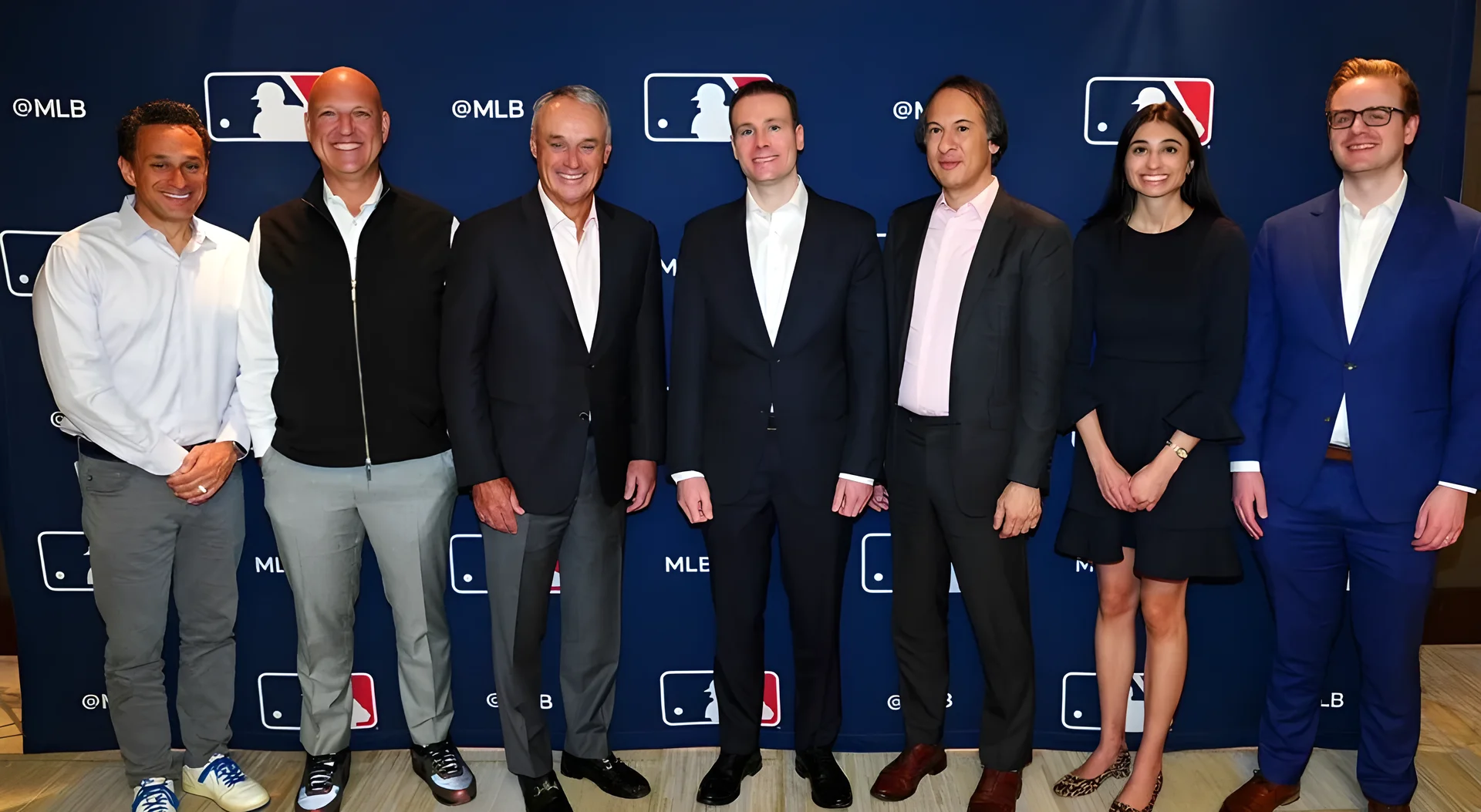
The Commodity Futures Trading Commission (CFTC) has signed a Memorandum of Understanding (MOU) with Major League Baseball (MLB), establishing a new framework for cooperation on sports-linked prediction markets. This agreement, announced ahead of the 2026 baseball season, is the first of its kind between a U.S. financial regulator and a professional sports league, signaling a significant shift in the oversight of event-based financial products.
Regulatory Expansion into Sports Prediction Markets
The MOU allows the CFTC and MLB to exchange information on shared interests, including issues related to professional baseball and associated prediction markets. The agreement is part of the CFTC’s broader effort to expand its regulatory focus into event-based contracts, an area that has drawn increasing scrutiny in recent years.
According to the CFTC, the arrangement is intended to support oversight of markets tied to sports outcomes. Michael S. Selig, a CFTC commissioner, described the move as a ‘collaborative step’ to promote ‘integrity and resilience’ in baseball-related prediction markets. He added that the agreement would help the agency develop tools to protect participants from ‘fraud, manipulation, and other abuses.’
Selig also acknowledged the role of MLB Commissioner Rob Manfred in establishing the partnership, citing the league’s involvement in efforts related to safeguarding market operations. The CFTC and MLB have agreed to share information in line with applicable laws, enabling faster responses to incidents and improving the identification of emerging risks.
Context and Background on Regulatory Scrutiny
The CFTC was established in 1974 under the Commodity Exchange Act (CEA) to protect and regulate market activities against manipulation, fraud, and abuse of trade practices. The CEA also included the Sad-Johnson Agreement, which defined the authority and responsibilities for the monitoring of financial contracts between the CFTC and the Securities and Exchange Commission (SEC).
In recent years, event-based contracts and prediction markets have gained popularity, particularly in sports, where outcomes are determined by real-world events rather than traditional financial instruments. These markets have raised concerns about market integrity and oversight standards, prompting the CFTC to review such products more closely.
The CFTC’s increased focus on event-based contracts is not new. Finance Magnates has previously reported on the agency’s review of these products, particularly around market integrity and oversight standards. This latest agreement with MLB represents a significant step in the CFTC’s efforts to bring more structure and accountability to this growing sector.
The MOU also sets the stage for future collaboration as prediction markets linked to professional sports continue to evolve. Both the CFTC and MLB have emphasized the importance of continuing to work together as these markets grow and become more complex.
What’s Next for Sports-Linked Prediction Markets
The agreement between the CFTC and MLB is expected to influence the development of prediction markets in sports, potentially setting a precedent for other professional leagues to follow. The CFTC’s involvement may lead to the creation of new regulatory frameworks tailored to the unique challenges posed by event-based contracts.
Under the terms of the MOU, both parties will continue to cooperate as prediction markets linked to professional sports develop. This includes exchanging information on issues of shared interest, including matters related to professional baseball and associated prediction markets.
The CFTC has not yet released specific details on how the agreement will be implemented or what tools will be developed to protect participants. However, Selig emphasized that the partnership with MLB is a key step in ensuring that these markets remain fair and transparent.
As the 2026 baseball season approaches, the impact of this agreement on the sports prediction market is likely to become more apparent. Fans and traders alike will be watching closely to see how this collaboration between the CFTC and MLB unfolds.
With the rise of digital platforms and the increasing popularity of prediction markets, the CFTC’s role in overseeing these markets is becoming more critical. The agency’s work with MLB could serve as a model for how other regulators approach the oversight of event-based financial products.
The agreement also highlights the growing importance of collaboration between financial regulators and sports leagues. As prediction markets continue to expand, it is clear that the regulatory landscape will need to adapt to ensure that these markets remain fair and transparent for all participants.





Comments
No comments yet
Be the first to share your thoughts