

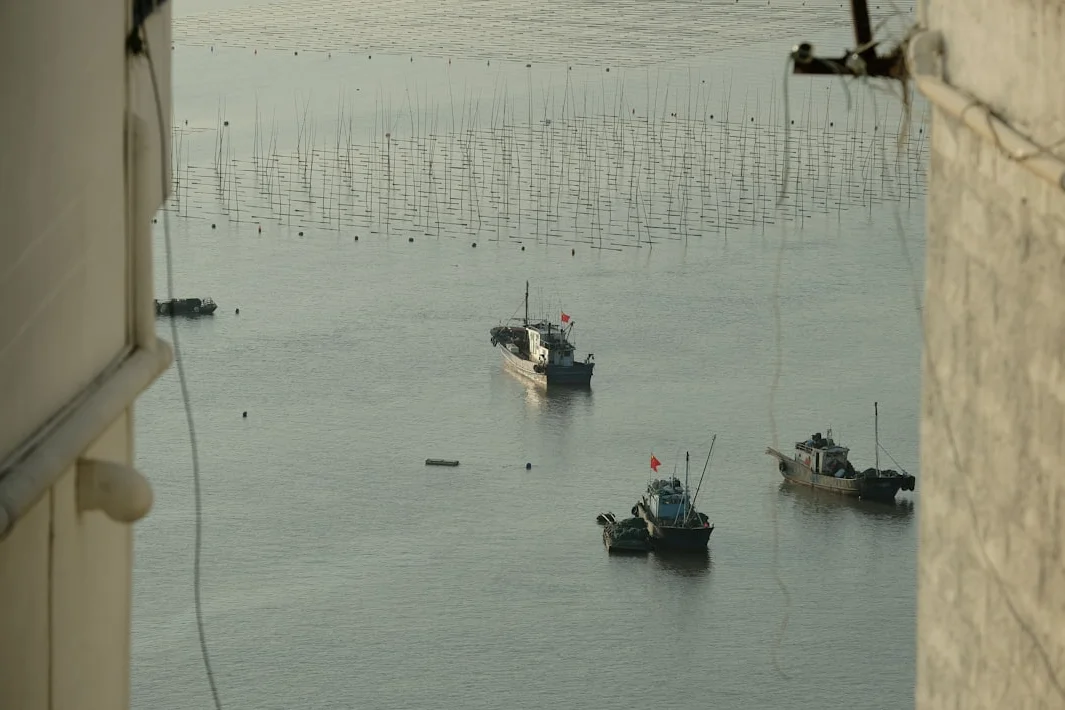
A clash between Chinese and Philippine coastguard vessels in the South China Sea has intensified long-standing territorial disputes — the incident occurred during a routine Philippine research mission, which China reportedly sought to block. According to the Philippine Navy. A soldier was injured in the confrontation, and the U.S, while State Department condemned China’s actions as dangerous and aggressive.
Incident and Aftermath
The Philippine research vessel BRP Ventura was conducting seabed exploration in waters claimed by the Philippines when a Chinese coastguard vessel intercepted it, and the clash happened about 35 nautical miles from the Philippine coast, an area within the Philippines’ 200-nautical-mile exclusive economic zone. The Chinese vessel. Described as the size of a warship, used water cannons and other aggressive tactics, according to Ray Powell of Stanford University’s Sealight Project, while the Philippine coastguard joined the mission, but the Chinese vessel was significantly more heavily armed.
During the confrontation, both sides reportedly used paddles and batons against each other. A Philippine Navy spokesperson, Roy Vincent Trinidad, stated that one soldier sustained a head injury measuring nearly 2 inches in length. The Philippine government claims the injury was caused by the Chinese coastguard’s actions, which it characterizes as illegal and unprovoked.
Broader Context and Tensions
China’s maritime claims in the South China Sea extend well beyond the 200-nautical-mile exclusive economic zone recognized by international maritime law. The country uses the nine-dash line to assert control over vast portions of the sea, though the line lacks precise coordinates. The latest incident is part of a pattern of escalating tensions, with China routinely deploying coastguard vessels to intercept and intimidate Philippine ships operating in contested waters.
The U.S. State Department issued a statement condemning China’s actions, describing them as dangerous and aggressive. Meanwhile, the Chinese Foreign Ministry attributed the incident to Philippine provocation during what it described as legitimate patrol activities. The Chinese government summoned the Philippine ambassador to formally protest the clash.
Strategic and Military Background
China’s naval expansion has significantly altered the balance of power in the region. The People’s Liberation Army Navy (PLAN) now operates 395 surface ships, a number expected to rise to 435 by 2030. China’s shipbuilding capacity is 232 times greater than that of the United States, and its 307 shipyards—35 of which are state-controlled,produce military and security-related vessels at a far higher rate than U.S. facilities. In 2023, China commissioned 170,000 new tons of naval vessels, up from 110,000 in 2022.
The U.S. Navy, while possessing greater operational experience, faces limitations in production capacity and international competitiveness. Only 18 large shipyards in the U.S. build warships, and only four of them produce aircraft carriers. The American fleet has a negligible global market share of just 1 percent in shipbuilding, according to a report highlighted by a German military publication.
With China’s naval buildup and assertive actions in the South China Sea, the region continues to see rising tensions. The recent clash between Philippine and Chinese coastguard vessels highlights the fragility of the situation and the potential for further escalation in a strategically vital area of the world.






Comments
No comments yet
Be the first to share your thoughts