

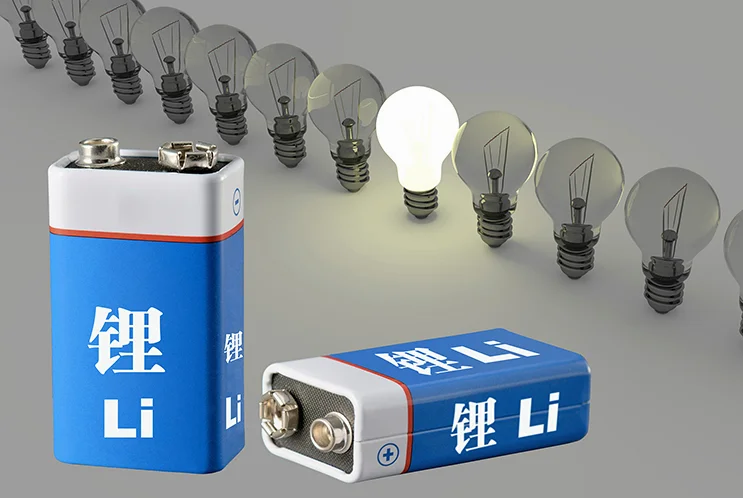
Chinese researchers have made a breakthrough in battery technology by developing a new electrolyte that allows lithium batteries to operate efficiently at temperatures as low as minus 50 degrees Celsius. The innovation, detailed in a study published in the journal Nature, could significantly enhance the performance of electric vehicles, aerospace systems, and robotics in extreme cold environments.
Overcoming a Major Technical Barrier
The new electrolyte addresses a long-standing issue in lithium battery technology: their inability to maintain performance in ultra-low temperatures. Traditional lithium batteries typically lose functionality below minus 50 degrees Celsius due to limitations in their electrolyte systems, which rely on lithium-oxygen coordination modes that fail in extreme cold.
The research team, from Nankai University’s College of Chemistry and the Shanghai Institute of Space Power-Sources, designed a fluorinated hydrocarbon solvent molecule that replaces conventional carbonate solvents. This innovation enables the electrolyte to dissolve lithium salts more effectively, improving both energy density and low-temperature performance.
According to the study, the new battery design achieves an energy density of 700 watt-hours per kilogram at room temperature and retains nearly 400 watt-hours per kilogram even at minus 50 degrees Celsius. This is significantly higher than the typical 100 to 300 watt-hours per kilogram seen in current commercial batteries.
Comparisons to Commercial Models
The performance of the new electrolyte is a stark contrast to existing battery technologies. For example, Tesla’s 4680 battery, developed for electric vehicles, has an energy density of around 300 watt-hours per kilogram. The new electrolyte’s ability to maintain nearly 400 watt-hours per kilogram in extreme cold could offer substantial advantages for applications in harsh environments.
Chen Jun, associate president of Nankai University and a corresponding author of the study, highlighted the broad potential of the technology. ‘High-energy-density batteries based on the new electrolyte have broad application potential in new energy vehicles, embodied intelligent robots, the low-altitude economy, and aerospace,’ Chen said.
The study, published in Nature on February 25, marks a significant step forward in battery technology. The research team’s approach involved modifying the conventional electrolyte system by replacing oxygen atoms with fluorine atoms, which enhances the solubility of lithium salts and improves charge transfer at low temperatures.
Implications for Future Applications
The implications of this breakthrough are far-reaching. For electric vehicles, the ability to operate in extreme cold could extend their usability in regions with harsh winters, such as northern China or parts of Canada and Russia. In aerospace, the technology could be critical for satellites and spacecraft that operate in the vacuum of space, where temperatures can plummet to extreme lows.
Robotics is another area where the new electrolyte could have a significant impact. Autonomous systems used in polar research, Arctic exploration, or deep-sea missions often face extreme environmental conditions. Enhanced battery performance in such scenarios could lead to more reliable and durable robotic systems.
The study’s findings also have potential applications in the low-altitude economy, which includes drones and other aerial vehicles used for delivery, surveillance, and mapping. These systems often require reliable power sources in a variety of environmental conditions, and the new electrolyte could provide a more strong solution.
As the research moves toward commercialization, the next step will involve scaling up production and testing the electrolyte in real-world conditions. The team will also need to work closely with industry partners to integrate the new technology into existing battery designs and manufacturing processes.
With the global push toward renewable energy and electric mobility, innovations like this are crucial for advancing sustainable technologies. The development of high-performance, low-temperature batteries could accelerate the adoption of electric vehicles and other clean energy solutions in regions where traditional batteries fall short.






1 Comment