

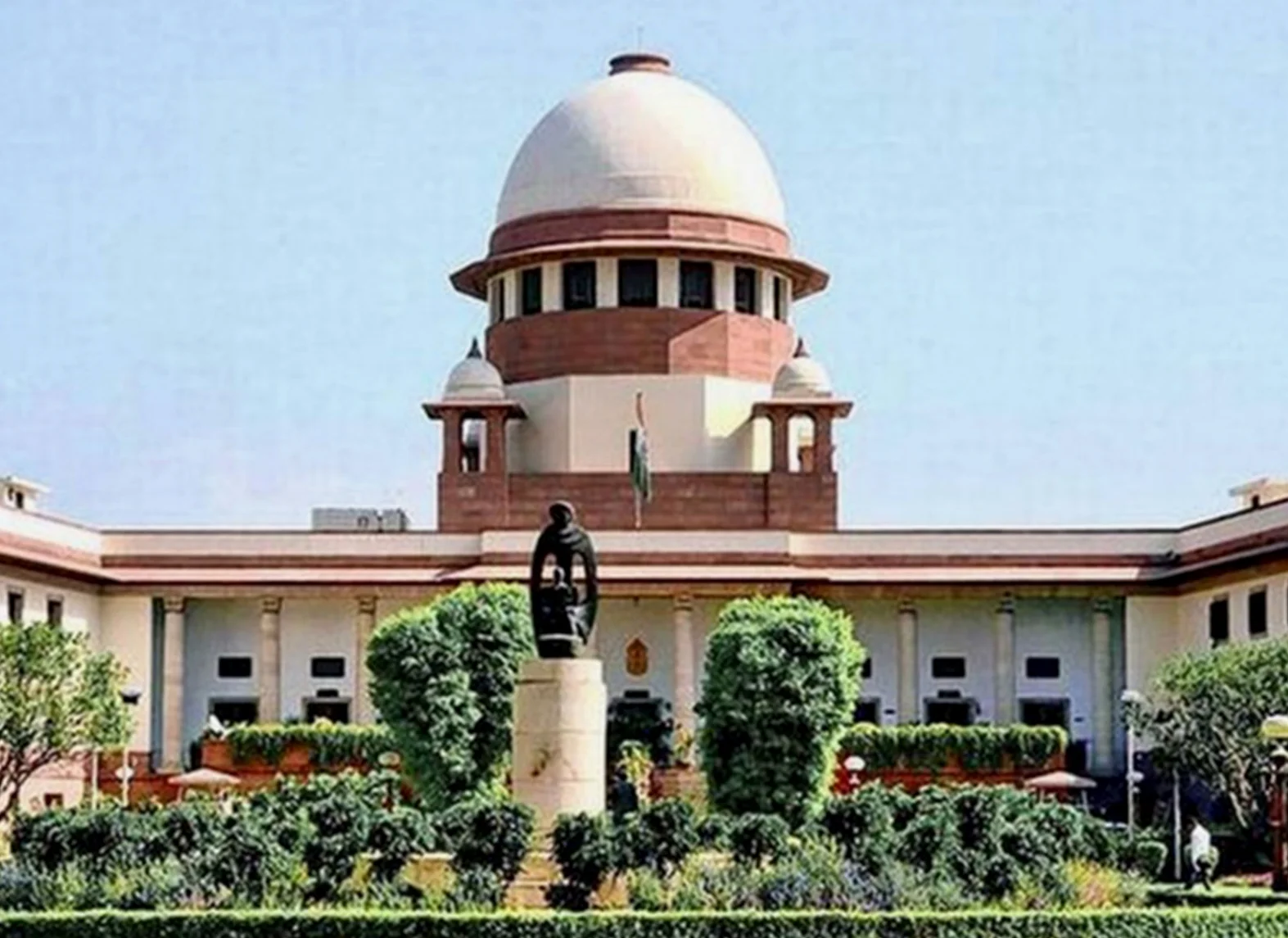
Chief Justice of India (CJI) Surya Kant has announced plans to initiate a thorough inquiry into the functioning of the Supreme Court registry, following allegations that some long-serving officials are operating independently of judicial protocols. The announcement comes amid reports of administrative irregularities and procedural lapses within the registry, which handles a vast volume of legal submissions and court proceedings.
Concerns Over Registry Operations
The CJI expressed concern over the recent handling of a plea that was initially declined by a three-judge bench but was later listed before another bench. This discrepancy has raised questions about the internal procedures and oversight within the registry.
“I will order a deep-probe (into Registries’ functioning). There are officials in the Registry who have been here since last 20-30 years. They think we (judges) are all here in transit and they are permanent. Therefore, things must happen the way they want,” the CJI said in a statement.
He emphasized that if the issue is not addressed before his tenure ends, he would consider it a failure in his duties as the head of the judiciary. The remarks underscore a growing concern about the administrative challenges facing the Supreme Court, particularly in ensuring that procedural reforms are effectively implemented.
Reforms and Controversial Textbook Inclusion
The CJI’s comments come amid broader efforts to reform and streamline the registry’s operations to ensure efficiency and adherence to judicial protocols. However, the focus has also shifted to another contentious issue involving the National Council of Educational Research and Training (NCERT).
The Supreme Court has issued show-cause notices to the Secretary of the Department of Education and Literacy and NCERT Director Dinesh Prashad Saklani, asking them to explain why action should not be taken against them for including a sub-chapter titled “Corruption in the judiciary” in the Class 8 NCERT Social Science textbook.
A bench comprising CJI Surya Kant, Justice Joymalya Bagchi, and Justice Vipul M Pancholi refused to halt the court’s suo motu proceedings, despite NCERT’s apology over the controversial inclusion. The court imposed a blanket ban on the textbook section and warned that any attempt to bypass the order would be considered direct interference with the administration of justice and could attract contempt of court.
“They have fired the gun and the judiciary is bleeding today. Today, anybody can say anything. At times, there is a mounting attack on us, and we are aware of it,” the CJI said, referring to the inclusion of the sub-chapter in the textbook.
The CJI highlighted the potential impact of the textbook on the perception of the judiciary, stating that it sends a message that could influence how the teaching community views the judiciary. “The entire teaching community will first be instructed that this is what they have to teach. In reality, not a single section of society has been left untouched,” he added.
Supreme Court’s Directives and Next Steps
The Supreme Court has directed NCERT to submit detailed records of the Teaching-Learning Materials Committee that approved the chapter, including the names, qualifications, and credentials of all members of the development team.
NCERT had previously issued an apology and stated that it would review and revise the chapter following proper consultation, acknowledging that the reference to corruption was inappropriate.
The CJI’s comments and the court’s directives signal a growing emphasis on accountability, both within the judiciary and in educational institutions. The probe into the registry’s functioning and the handling of the NCERT textbook controversy are expected to have long-term implications for the administration of justice in India.
Analysts suggest that the CJI’s actions reflect a broader effort to reinforce judicial independence and ensure that administrative processes are not undermined by long-standing inefficiencies or external pressures.
With the probe into the registry and the NCERT textbook issue still unfolding, the Supreme Court is likely to issue further directives in the coming weeks, potentially leading to significant reforms in how the judiciary is perceived and managed in the country.





Comments
No comments yet
Be the first to share your thoughts