

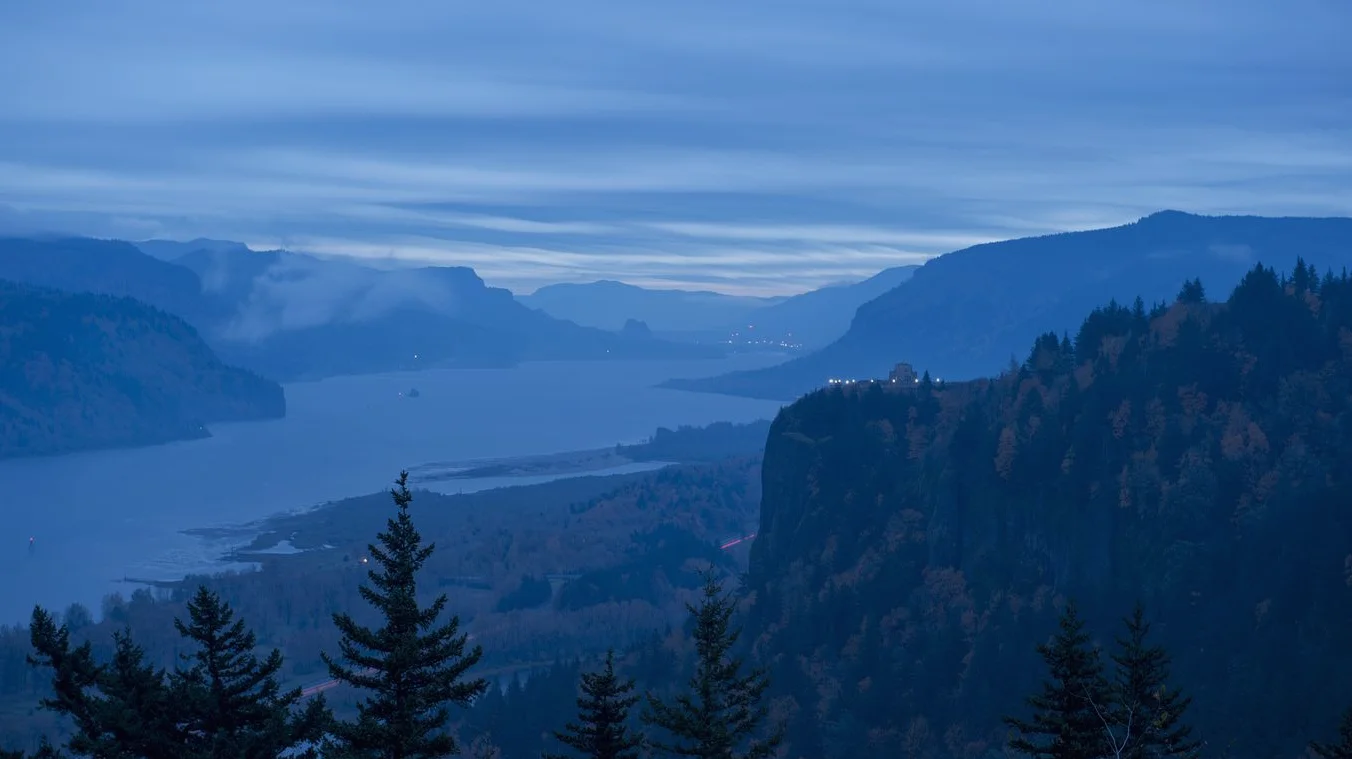
A proposed $2 billion power line to be buried beneath the Columbia River has drawn significant pushback from environmental groups and tribal organizations over concerns about ecological and cultural impacts. The Cascade Renewable Transmission System, designed to carry 1,100 megawatts of electricity from The Dalles to Portland, could be the first of its kind in the United States if approved. However, the project faces scrutiny from advocates and tribal leaders who argue it could harm water quality, endangered fish species, and tribal treaty rights.
Project Details and Environmental Risks
The Cascade Renewable Transmission System, developed by PowerBridge, a Connecticut-based company, aims to move renewable energy from eastern Oregon to the Portland area. The project would involve using a hydroplow to dig an 80-mile trench beneath the riverbed, where a 12-inch cable bundle would be buried 10 to 15 feet below the river. This system could power up to a million homes and is part of a broader effort in Oregon and Washington to expand transmission capacity as the region transitions to renewable energy.
Environmental advocates, including the Columbia Riverkeeper, Friends of the Columbia River Gorge, and the Columbia River Inter-Tribal Fish Commission, have raised concerns about the potential effects of the project. They warn that the hydroplow could stir up sediment containing harmful toxins, disrupt the river’s ecosystem, and affect endangered fish species such as salmon. Additionally, the heat generated by the power line could exacerbate warming in the river, which is already under stress from climate change.
Tribal representatives have also expressed concerns about the long-term impacts of the project on cultural resources and treaty rights. They are worried about the unknown consequences of disturbing the riverbed over a 40-year lifespan of the power line, including potential damage to sacred sites and the disruption of traditional fishing practices.
Industry Response and Similar Projects
Chris Hocker, PowerBridge’s permitting lead for the project, told Axios that the company has conducted and will continue to conduct extensive scientific studies to demonstrate that the impacts will be minimal and temporary. He pointed to two similar projects in New York and New Jersey, which have operated for 17 years without reported adverse environmental effects.
Hocker emphasized that the technology used in the Cascade project is well-established and has been used in other locations with success. He argued that the benefits of expanding renewable energy infrastructure outweigh the risks, particularly as the region works to reduce carbon emissions and meet growing energy demands.
However, environmental groups remain unconvinced. Teryn Yazdani, a staff attorney for Columbia Riverkeeper, said the unknowns surrounding the project are too great to justify moving forward. In a webinar on the project last week, Yazdani called the Cascade project a “novel experiment” and highlighted a lack of information about the cumulative long-term impacts of dredging nearly 100 miles of the Columbia River.
“There is a lack of information about the direct cumulative impacts of what it means to dredge about 100 miles of the Columbia River for long term health consequences,” Yazdani said in the webinar. “We need more transparency and a thorough assessment before this project can proceed.”
Regulatory Review and Future Implications
The project has submitted pending permit applications to Oregon, Washington, and the U.S. Army Corps of Engineers. The regulatory process could take months or even years, as agencies evaluate the environmental and social impacts of the project. The outcome of this review will have significant implications for the future of renewable energy transmission in the Pacific Northwest.
If approved, the Cascade Renewable Transmission System would be a major infrastructure project and could serve as a model for similar initiatives in other regions. However, if the project is denied or modified significantly, it could delay the expansion of renewable energy infrastructure and impact the region’s ability to meet its clean energy goals.
Environmental advocates and tribal leaders are urging regulators to take a cautious approach, emphasizing the need for further study and public input. They argue that the Columbia River is a vital ecological and cultural resource that must be protected, even as the region seeks to transition to renewable energy.
The debate over the Cascade project highlights the complex balance between advancing renewable energy infrastructure and preserving natural and cultural resources. As the regulatory review continues, the outcome will shape not only the future of this specific project but also the broader strategy for expanding clean energy in the Pacific Northwest.






1 Comment