

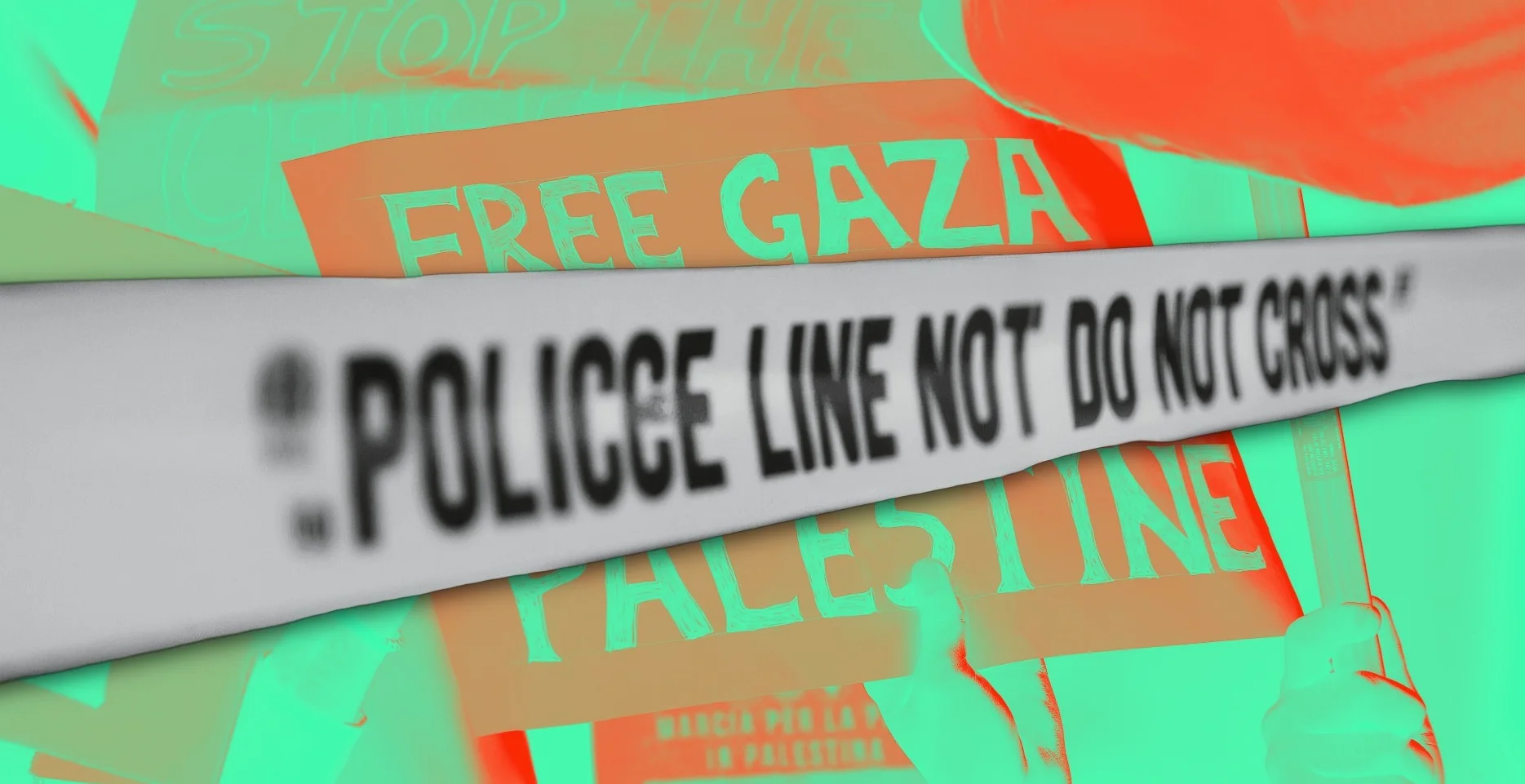
On September 19. Justice Minister Sean Fraser introduced Bill C-9, the Combatting Hate Act, as part of a broader legislative effort to address rising hate crimes; the act aims to provide police and prosecutors with new tools to combat antisemitism, Islamophobia, homophobia, and transphobia. However, the bill has sparked alarm among civil-liberties groups, community advocates, and activists who argue it risks undermining Charter rights and enabling increased repression of dissent.
Impact on Protesters and Free Speech
The Combatting Hate Act introduces several new restrictions on protesters, including penalties for displaying ‘hate symbols.’ The bill also expands limits on demonstrations by banning protests around community, cultural, and religious centres, regardless of the activities inside. Critics warn that these ‘bubble zones’ could effectively criminalize lawful protests that are not hate-motivated.
For example. Palestine solidarity protesters. Many of whom are Jewish. Have faced restrictions when demonstrating outside synagogues hosting non-religious events promoting the illegal sale of Palestinian land in the West Bank. Anaïs Bussières McNicoll. Director of the Fundamental Freedoms Program at the Canadian Civil Liberties Association (CCLA), argues that the measure would ban protests at thousands of locations across the country. She adds that demonstrators might not even realize they are in a restricted area until they find themselves subject to criminal penalties.
The bill also removes the requirement for prosecutors to obtain the Attorney General’s consent before laying hate-propaganda charges. Richard Moon. A law professor at the University of Windsor, explains that the consent rule was added as a safeguard to prevent misuse of the law, though However, he warns that the change carries risks in the current political climate, where the term ‘hate speech’ is often used loosely.
Concerns Over Misuse and Systemic Inequities
The International Civil Liberties Monitoring Group says the bill risks weakening Charter rights for everyone, including the communities the government claims it wants to protect. The Black Legal Action Centre raised concerns, noting that the bill undermines ‘the critical ability of these groups to advocate for their rights and challenge systemic injustice.’
Egale, an organization fighting against homophobia and transphobia, says the bill ‘appears less as a tool for protecting marginalized groups and more as a broad expansion of police power with a high risk of misuse.’
The federal government says the new restrictions aim to make Canada safer and better able to fight hate crimes. However, 37 diverse civil society organizations have jointly opposed the bill, arguing it would worsen systemic inequities and undermine Canada’s commitments to freedom of expression.
McNicoll says Bill C-9 risks ‘criminalising peaceful protesters’ if passed in its current form. She emphasizes the importance of combating hatred and building a more equal society but argues that the bill goes much further than necessary, particularly in its approach to ‘hate symbols.’
The risk is heightened by how broadly ‘symbols’ could be interpreted. Critics warned that a keffiyeh, or even a small pin expressing opposition to genocide, could be read as a political message. Under the bill, such items might be treated as signs of hateful intent, exposing demonstrators to arrest.
Broader Context and Future Implications
The bill takes place in the context of a broader legislative crackdown on protest, arriving as Mi’kmaw activists in Nova Scotia face new restrictions and land defenders in British Columbia receive prison sentences. It also comes amid nationwide pro-Palestine demonstrations calling for a full arms embargo and sanctions on Israel in response to the ongoing genocide in Gaza.
Lawyer Dania Majid, founder and president of the Arab Canadian Lawyers Association, believes the timing of Bill C-9 is not coincidental. She sees the bill as an effort to limit pro-Palestinian demonstrations across Canada since October 2023 and warns that all activists could soon feel the impact.
Majid argues that the bill, along with recent measures affecting Indigenous activists, reflects that ‘Canada is a settler colonial state.’ She adds that while some may think the law targets only Arabs, Palestinians, and Muslims, over time, such laws become normalised and applied to other movements and populations.
Majid points to earlier patterns, noting that after the September 11 attacks, Muslim communities were targeted first, and then other dissidents were silenced. Environmental activists have echoed this warning, with Alan Silverman of Seniors for Climate Action Now (SCAN) agreeing that the bill could be used to target people who speak out on environmental issues.
Experts highlight two major flaws in the proposed legislation: the bill’s vague definition of hate offences and the broad powers it gives police. They note that existing laws already give authorities the tools to keep people safe during protests, suggesting that the new measures may not be necessary.
With the bill now in the legislative process, the coming months will be critical in determining whether it will pass and how it will be implemented. Civil society groups continue to push for its withdrawal, arguing that it threatens the very freedoms it claims to protect.




Comments
No comments yet
Be the first to share your thoughts