

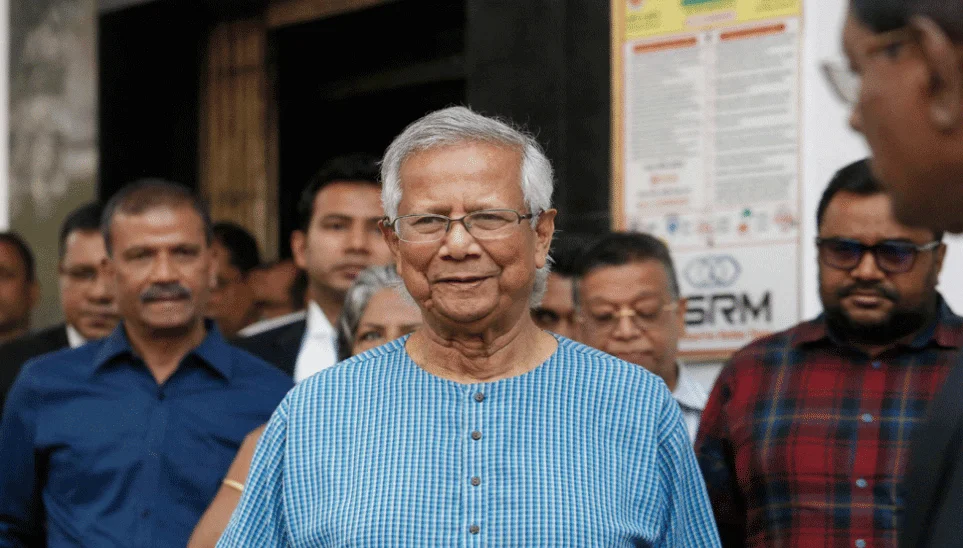
DHAKA — Bangladesh closed a turbulent chapter on February 17 as Tarique Rahman took oath as prime minister, formally ending Dr. Muhammad Yunus’s role as Chief Adviser. The Nobel laureate had stepped in after a student-led mass uprising toppled the previous government. Expectations ran high for the microfinance pioneer to deliver economic revival, rule of law and human rights gains. Eighteen months later, critics paint a starkly different picture: a ledger heavy on disappointments.
Mob violence surged under Yunus, according to detractors. They point to rising incidents of forced home and business occupations. Pressure groups supplanted formal institutions, dictating arrests, releases and public policy. Ordinary citizens watched power slip from state hands into street enforcers, supporting widespread anxiety.
Economists highlight unfulfilled economic pledges. Yunus imported foreign experts and vowed to mirror high-growth nations. Instead, domestic businesses crumbled amid legal harassment and instability. Factories shuttered. Unemployment spiked. Poverty deepened as policy choices allegedly prioritized outsiders over local entrepreneurs.
Education suffered too. Campuses turned chaotic with constant protests and class disruptions. Officials failed to impose discipline, critics say. Leadership appeared paralyzed.
Journalists faced a chilling environment. Harassment, lawsuits and mob assaults targeted reporters. Anis Alamgir, a prominent journalist, endured detention alongside other dissenters. Government inaction amplified fears in newsrooms.
Sports and diplomacy took hits as well. Political rifts marred national team selections for international tournaments. Regional alliances frayed. Controversial pacts sparked worries over sovereignty.
Yunus jetted around the globe during his tenure, logging visits to multiple countries in quick succession. Supporters called the trips diplomatic outreach tied to his ‘Three Zeroes’ vision—no poverty, unemployment or hunger. Critics dismissed them as personal publicity stunts with scant government-to-government wins.
Meantime, Grameen network entities racked up gains. Grameen Bank secured regulatory nods for a private university, employment services, digital payments, tax breaks and ownership overhauls. Long-running legal battles involving Yunus and allies resolved with unusual speed, fueling transparency complaints.
Student leaders who propelled Yunus to power now distance themselves from the era. Many Bangladeshis greeted Rahman’s cabinet with relief, viewing the Yunus period as 18 months of hardship. Public sentiment, gauged through street interviews and social media, reflects a nation eager to move past what one analyst termed a ‘dark interlude.’
Defenders credit Yunus with stabilizing the post-uprising chaos and advancing select reforms. Yet the dominant critique holds that Bangladesh gained little from the global icon’s stewardship. Peace and stability—the hallmarks of his Nobel win—eluded the country he briefly led.



Comments
No comments yet
Be the first to share your thoughts