

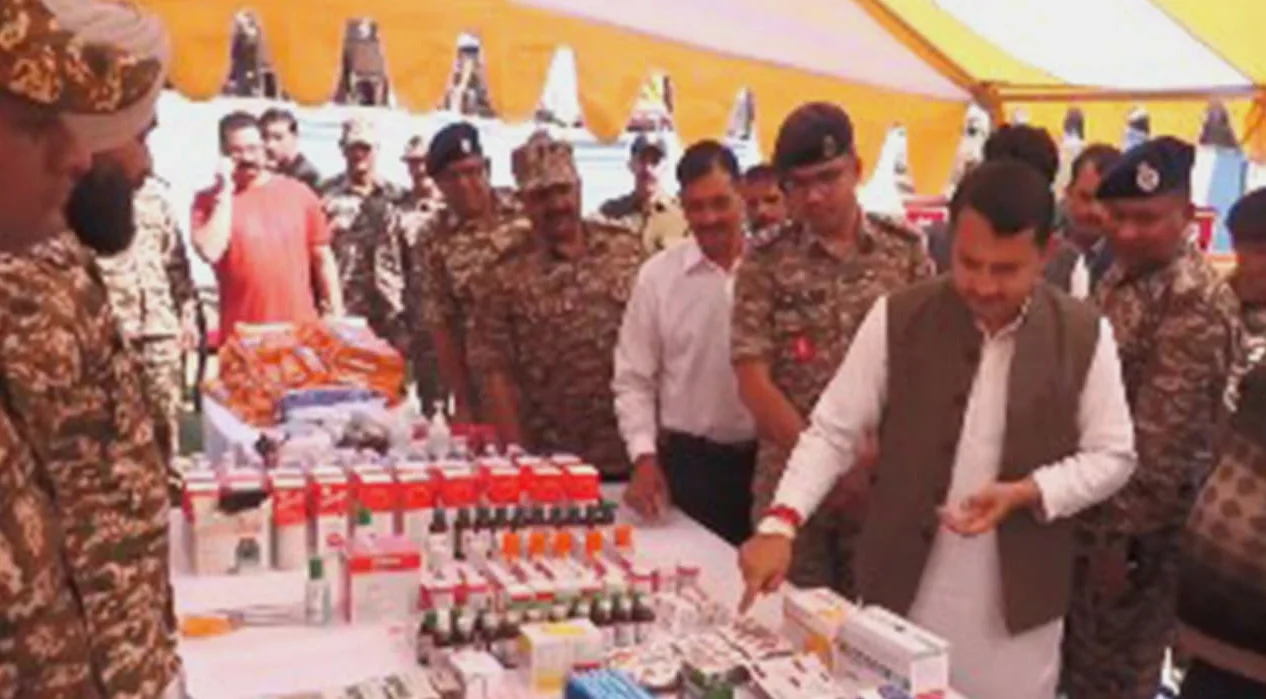
Roun village residents gained access to targeted women’s healthcare during a medical camp organized by the Central Reserve Police Force. The 137 Battalion hosted the event Saturday, delivering modern treatments to an area with limited services. CRPF Assistant Commandant Medical Officer Manish Rundla oversaw operations. He explained the camp responded to government directives addressing common weaknesses among local women. Medications distributed included iron, folic acid and calcium tablets. Teams also conducted sessions on sanitary hygiene practices.
Separate Indian Army efforts bolstered healthcare in remote Jammu and Kashmir sectors. Troops from the army ran thorough camps in Uri earlier this month. More than 1,300 civilians from nearby villages received specialist consultations. These initiatives supplement government services in border zones, where access remains challenging.
In Naushera, army personnel collaborated with Government Medical College Rajouri for a multi-specialty camp. The event preceded Naushera Day 2026 commemorations. Doctors specializing in medicine, surgery, gynecology, eye care, ENT, orthopedics and dentistry offered free check-ups and advice. A total of 138 people from Naushera and surrounding villages participated. Focus areas covered preventive care, early diagnosis and health awareness.
Army officials described the Naushera camp as a tribute to regional courage and sacrifice. They pointed to partnerships with local institutions like Government Medical College Rajouri as key to civil-military ties. Such outreach aligns with the forces’ dual role in security and community support across Jammu and Kashmir.
These camps reflect a pattern of expanded medical services by Indian security forces. In Uri, general practitioners and specialists treated ailments ranging from routine check-ups to chronic conditions. Residents praised the convenience of on-site diagnostics and prescriptions. Naushera’s event similarly drew families from remote hamlets, easing travel burdens to urban hospitals.
Roun’s CRPF camp prioritized women, who often face barriers to care in rural settings. Rundla noted high demand for nutritional supplements amid dietary gaps. Hygiene education aimed to curb infections. Battalion members screened participants for anemia and related issues, referring severe cases to district facilities.
Broader army programs continue in forward areas. Officials said these efforts build trust and resilience among border populations. Naushera campgoers received dental cleanings, vision tests and orthopedic assessments. Gynecologists addressed reproductive health queries. The college partnership ensured expert input without added costs.
Jammu and Kashmir authorities welcome such interventions. They fill gaps in public health infrastructure, particularly in rugged terrain. Security forces have organized dozens of similar events yearly, serving thousands. Recent camps underscore commitment to complete welfare alongside operational duties.





Comments
No comments yet
Be the first to share your thoughts