

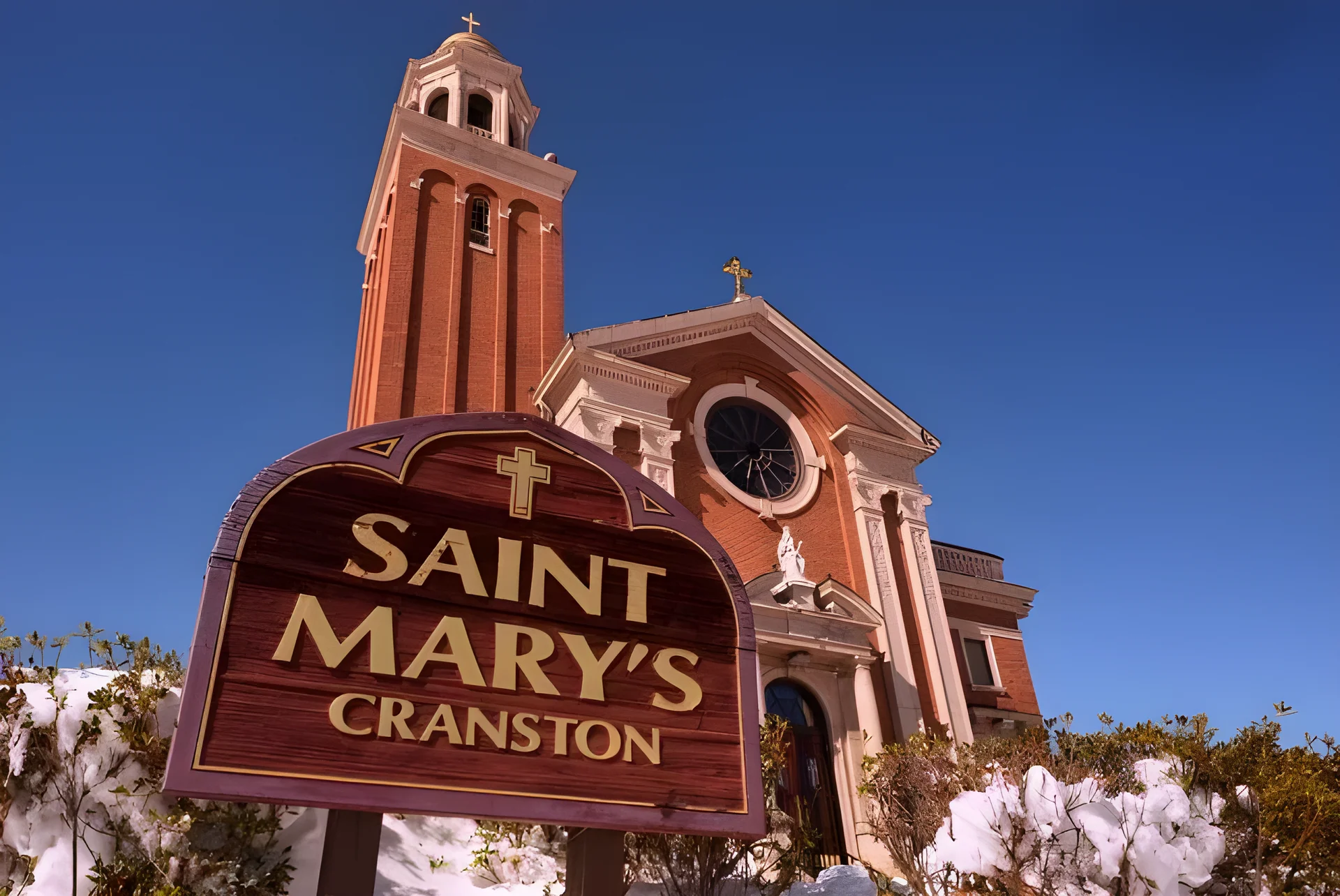
In the small, densely populated state of Rhode Island, where nearly 40% of the population identifies as Catholic, a dark secret has been buried for decades. The Roman Catholic Diocese of Providence, once a symbol of faith and community, is now the subject of a damning investigation that reveals a systemic cover-up of child sexual abuse by clergy. The report, released in 2026 by Rhode Island Attorney General Peter Neronha, details how the diocese protected abusive priests, minimized the harm done to victims, and delayed justice for decades.
A Scandal That Should Have Been Exposed Earlier
The investigation into the Roman Catholic Diocese of Providence began in 2019, when Neronha’s office started examining historical records and documents. What they uncovered was staggering. Between 1950 and 2011, 75 clergy members were credibly accused of abusing more than 300 children. The attorney general’s report, spanning 288 pages, painted a picture of a diocese that prioritized its reputation over the safety and well-being of its congregants.
“This is a scandal you need to own and you need to fix,” Neronha said during a press conference, his voice heavy with frustration. “We can’t slow walk solutions and we can’t slow walk justice.”
The diocese, in its response, acknowledged the existence of abuse but argued that the report was a reflection of its willingness to share internal documents under a 2019 agreement with the state. However, survivors and advocates argue that this admission was far too late. Many of the victims are now adults, living with the trauma of their past, having waited decades for the truth to come to light.
Survivors Speak Out
Dr. Herbert Brennan, a survivor of abuse by Rev. Brendan Smyth, recounted the moment he first realized the magnitude of the trauma he had endured. “I had the misfortune of crossing paths with Brendan Smyth,” Brennan said. “He abused at least 17 children during his three years of ministry in Rhode Island.” Brennan did not come to terms with the abuse until decades later, when he was an adult. “We block it out with our childhood mind because we just can’t comprehend it,” he explained. “Then once we mature and we have an adult mind with some logic and some distance, we are then able to recognize it and then begin to deal with it.”
Brennan’s story is not unique. Dr. Ann Hagan Webb, another survivor, shared her experience of waiting for the truth to be revealed. “I dealt with my childhood abuse in a therapist’s office years ago, but I continue to be traumatized by it,” she said. “The report has given me a sense of closure, but it’s not enough. We need more than just words. We need action.”
The Church’s Response: A History of Silence
The Roman Catholic Diocese of Providence has long been accused of covering up abuse by transferring accused priests to new assignments without thorough investigations. This practice, which was common in the diocese, was also exposed in other investigations in Boston, Philadelphia, and elsewhere. The report detailed how the diocese created a “spiritual retreat-style facility” in the early 1950s, where several accused priests were sent elsewhere for a period of time with the goal of returning to work. This practice evolved into sending accused priests to more formal treatment centers after determining clergy abuse may stem from mental health problems.
The attorney general’s report described the diocese’s overreliance on these treatment centers as “absurdly Pollyannaish.” It pointed out that by the 1990s, accused priests were sometimes placed on “spiritual leave” without being removed from ministry entirely. This allowed them to continue working in other parishes, often under different names, and without being held accountable for their actions.
A System of Denial
One of the most shocking revelations in the report was the correspondence between Bishop Thomas J. Tobin and the Vatican regarding several credibly accused priests. In 2012, Tobin wrote to the Vatican about Rev. Timothy Gordon, stating, “At this time, I do not believe Father to be a danger to young people.” Similar language was used in 2013 regarding Rev. Barry Meehan and Rev. John Allard. The attorney general’s office pointed out that these statements were eerily consistent, suggesting a pattern of denial and cover-up.
Rev. Francis Santilli, who was accused of abusing a young altar boy in the 1980s, was not removed from ministry until 2021, when a third party contacted both the diocese and law enforcement to identify additional victims. Even then, Bishop Tobin wrote to the Vatican in 2022, defending Santilli and requesting that he not be removed from public ministry. “The accusation regarding Fr. Santilli’s behavior are repugnant, given the nature of the actions and the age of the victims,” Tobin wrote. “Nevertheless, Fr. Francis Santilli has also exercised his priesthood for over 40 years.”
A Legacy of Trauma and Injustice
The impact of the abuse on survivors has been profound. Many of the victims, now adults, have struggled with mental health issues, substance abuse, and a lack of trust in institutions. “I continue to be traumatized by it,” said Dr. Ann Hagan Webb. “I’ve had to deal with it for years, but the report has given me a sense of closure. However, it’s not enough. We need more than just words. We need action.”
The attorney general’s report has been hailed as a breakthrough in the fight for justice. However, many survivors argue that the damage has already been done. “The truth is out, but what does that mean for us?” asked one survivor. “We need to be able to heal, but that requires more than just a report. It requires a commitment from the church to change.”
The Path Forward
As the Roman Catholic Diocese of Providence faces the consequences of its actions, the question remains: what comes next? The attorney general has called for legal reforms to boost investigative powers and help victims seek justice. “We can’t slow walk solutions and we can’t slow walk justice,” Neronha said. “We need to ensure that this doesn’t happen again.”
Survivors and advocates are calling for greater transparency, accountability, and support for victims of clergy abuse. They want to ensure that the lessons learned from the Roman Catholic Diocese of Providence are not forgotten. “We need to make sure that this never happens again,” said Dr. Herbert Brennan. “We need to protect the children of today and the future.”
As the investigation continues, the Roman Catholic Diocese of Providence is at a crossroads. It must decide whether to take full responsibility for its actions and commit to meaningful change, or continue the pattern of denial and cover-up that has plagued it for decades.






Comments
No comments yet
Be the first to share your thoughts