

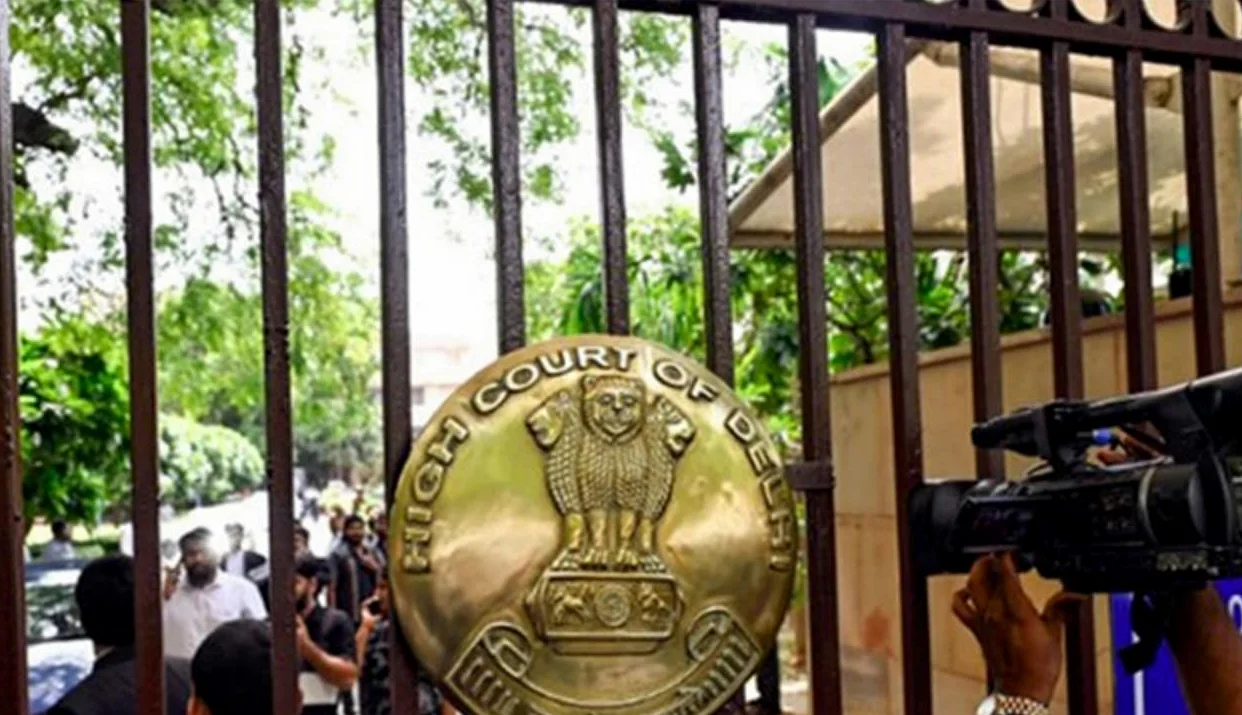
The Delhi High Court has quashed criminal charges against a woman who attacked her long-time guardian, citing the ‘quality of mercy’ and the unique family-like bond between them. The court dismissed the case on March 3 under Section 308/307 of the Indian Penal Code, which relates to attempted culpable homicide, after the guardian forgave the accused and expressed a desire to move past the incident.
Background of the Family-Like Relationship
The petitioner, who was raised by the complainant and her late husband from the age of three months, was never legally adopted. However, the court emphasized that the emotional and social connection between the two was akin to that of a mother and daughter. The relationship had been marked by deep affection and care, despite the lack of formal legal ties.
The incident that led to the legal proceedings occurred in 2019 when the petitioner allegedly attacked her guardian with a wooden cross and a knife. The police registered the case under serious charges of attempted murder, but the guardian later chose to forgive the petitioner and sought to end the matter privately.
Guardian’s Forgiveness and Judge’s Rationale
Justice Prateek Jalan, who presided over the case, stated that continuing the trial would be a ‘travesty of justice’ given the unique circumstances. He emphasized that the ‘quality of mercy’ should take precedence in such cases, especially when the parties had resolved their disputes and the petitioner had expressed deep remorse for her actions.
The guardian informed the court that she no longer wished to pursue the case, explaining that she had raised the petitioner with love and considered the conflict a private family matter. The judge noted that the case did not involve any legal claims to property or inheritance, which further justified the decision to quash the FIR.
Conditions for Closing the Case
As a condition for closing the case, the court ordered the petitioner to perform community service. She is required to complete 30 sessions at St. Stephen’s Hospital in New Delhi over the next four months. This decision reflects the court’s attempt to balance mercy with accountability.
The ruling highlights the Delhi High Court’s power to prioritize the ‘ends of justice’ in complex family-like relationships, even when dealing with non-compoundable offenses. The case highlights the importance of forgiveness and reconciliation in such situations.
Legal experts have noted that this decision is significant in the context of Indian jurisprudence, where family matters are often treated with a high degree of sensitivity. Similar cases have been quashed in the past when there was a strong familial bond and mutual forgiveness.
The incident has sparked discussions about the role of mercy in the justice system and how it can be applied in cases where legal procedures may be seen as harsh or disproportionate to the circumstances.
With the community service requirement set to begin soon, the petitioner will be required to complete her sessions at St. Stephen’s Hospital, which is expected to provide her with an opportunity for reflection and contribution to society.
The ruling has been welcomed by some as a demonstration of the judiciary’s ability to adapt to complex human situations, while others have raised concerns about the potential for such decisions to be misinterpreted or abused in similar cases.
As the case moves forward, the focus will remain on the implementation of the court’s conditions and the broader implications of the decision for future legal proceedings involving family disputes.






Comments
No comments yet
Be the first to share your thoughts