

 Al Jazeera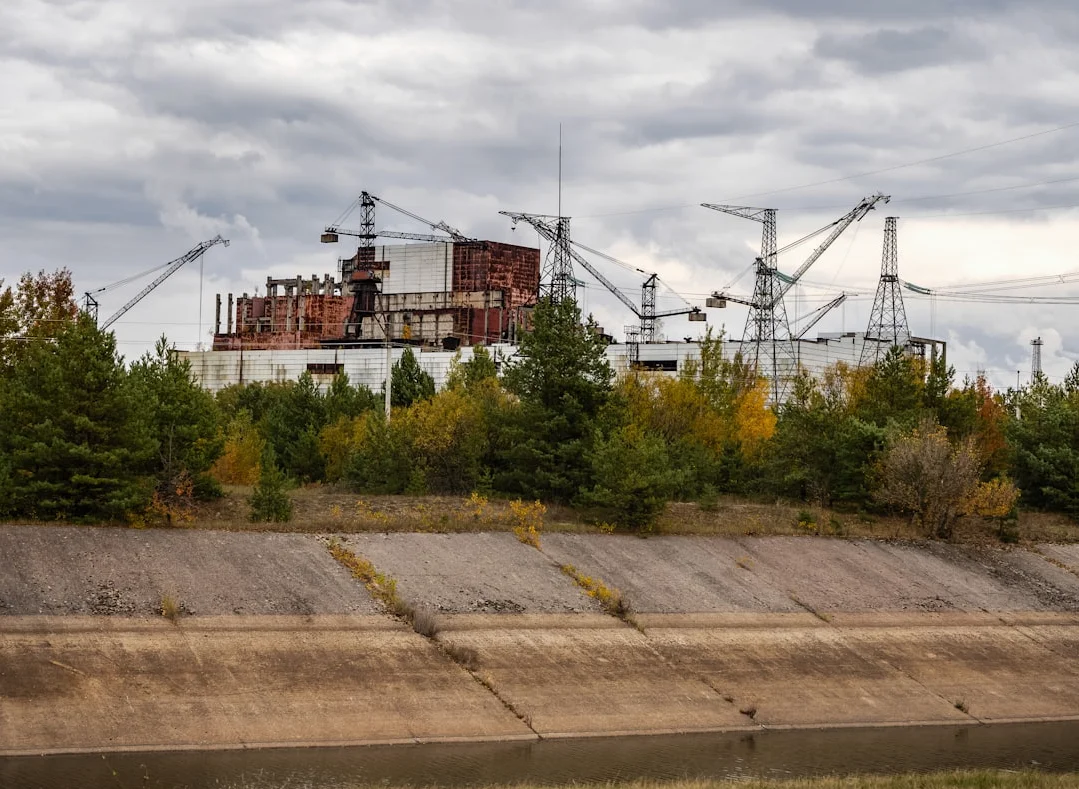
Forty years after the Chornobyl disaster, the area remains radioactive and shaped by war, according to a recent report from Al Jazeera, but the exclusion zone continues to be a site of abandoned cities, returning wildlife, and rising military risk. What’s unfolding there today raises urgent questions about nuclear danger and the future.
A Radioactive Legacy
The Chornobyl disaster occurred in 1986 when a reactor at the Chornobyl Nuclear Power Plant exploded, releasing large amounts of radioactive material into the environment; the event is considered one of the worst nuclear accidents in history. The area around the plant was declared an exclusion zone, and residents were evacuated, as Today, the site remains contaminated and continues to be closely monitored.
According to Nils Adler. An Al Jazeera journalist who visited the area, the exclusion zone has not changed much in terms of its physical field, Abandoned buildings still stand, and the air carries the lingering effects of radiation. However, wildlife has made a surprising return to the area, with some species thriving in the absence of human activity.
War and Uncertainty
In recent years. The Chornobyl area has become entangled in the conflict between Ukraine and Russia. The area is now a front line in the ongoing war, and the risk of military activity near the nuclear site has raised concerns among scientists and international observers. The presence of armed forces in the exclusion zone poses new threats to the fragile network and the long-term safety of the site.
According to Al Jazeera’s report. The Ukrainian government has taken steps to reinforce security at the Chornobyl site — Military patrols and surveillance equipment have been deployed to prevent any unauthorized access. The risk of a new accident or a breach in the containment structures is a growing concern for both Ukrainian and international authorities.
Some experts have warned that a direct military confrontation in the area could lead to a catastrophic release of radiation. The New Safe Confinement (NSC) structure, which was built to cover the damaged reactor, is designed to withstand a range of threats, including extreme weather and seismic activity. However, it is not built to withstand a direct hit from military weapons or explosives.
What the Future Holds
As the 40th anniversary of the Chornobyl disaster approaches, questions about the long-term safety of the site remain, though the Ukrainian government, with support from international partners, continues to monitor the area and implement measures to reduce the risk of a new accident. However, the ongoing war has complicated these efforts and raised concerns about the sustainability of the current safety measures.
According to the Al Jazeera report, the situation at Chornobyl reminds us of the dangers posed by nuclear technology, especially in times of conflict. The site has become a symbol of the risks associated with nuclear energy and the unpredictable consequences of war. As the world continues to grapple with the legacy of Chornobyl, the lessons learned from the disaster remain as relevant as ever.





Comments
No comments yet
Be the first to share your thoughts