

 Al Jazeera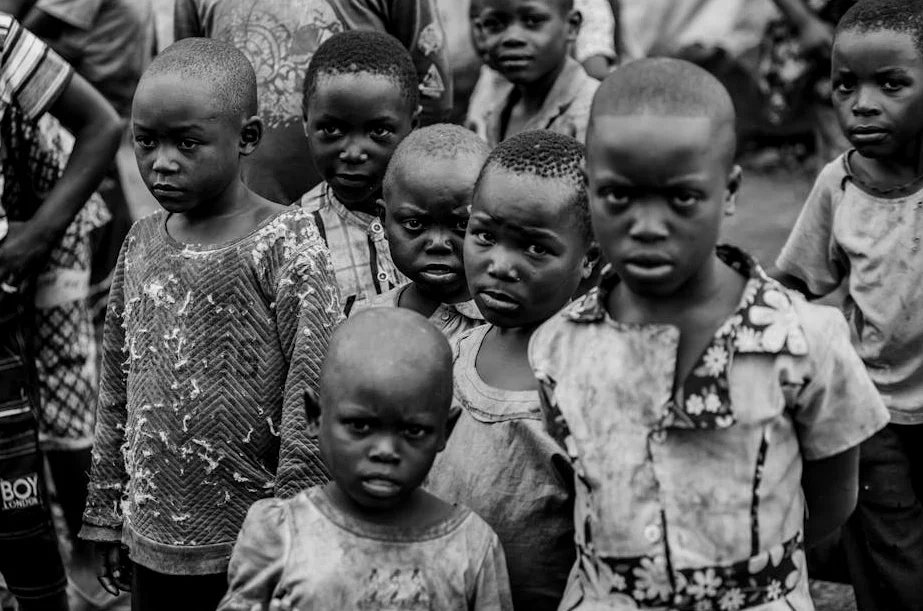
The Democratic Republic of the Congo (DRC) is experiencing a new Ebola outbreak just five months after declaring the previous one over, according to Al Jazeera. The Bundibugyo strain, a type of Ebola virus first identified in neighboring Uganda, is highly lethal and is spreading rapidly across the northeastern province of Ituri, including the health zones of Rwampara, Mongwalu and Bunia. Two cases have also been confirmed in Uganda.
Public Health Emergency Declared
With no specific treatment available, prevention, early detection and isolation of cases are critical. The World Health Organization (WHO) has declared the outbreak a “public health emergency of international concern” after more than 300 suspected cases and 88 deaths were reported. “People are dying here every day,” an official in the Rwampara health zone who requested anonymity because he is not authorized to speak to the media told Al Jazeera.
Rwampara, the epicentre of the outbreak, has recorded an average of five deaths daily over the past three days, according to the official. “Some are in the community and others in healthcare facilities. The top priority here is to set up an emergency Ebola treatment centre,” he added.
Community Concern and Fear
In Bunia, the capital of Ituri Province, fear and uncertainty grip the city. “We are shocked that Ebola has returned amid an ongoing humanitarian and security crisis. If not contained, our daily lives will be severely affected,” said Constant Ulimwengu, 40, a father of five, to Al Jazeera. Sherif Musa, 29, another Bunia resident, recalled attending several funerals in April for people who died after showing symptoms resembling cholera. “Perhaps these unusual deaths are linked to Ebola. I doubt there would be a large-scale outbreak if that were confirmed,” he said.
The Congolese Ministry of Health identified the suspected initial case as a nurse of unknown age who died at the Bunia Evangelical Medical Centre on April 27. “This nurse had presented with symptoms suggestive of Ebola virus disease,” the ministry said on Friday. Local sources said that after the nurse’s death, the funeral proceeded as usual with people touching the body, which was not buried in a way to prevent the spread of Ebola. Experts warned that unsafe burial practices could accelerate the spread of Ebola within tight-knit communities.
Challenges in Containment
Elie Badjo, an analyst on universal health coverage in the DRC, feared that community mistrust could hinder containment efforts. “Already through our early warning platform, people are leaving comments suggesting that it is the major powers who want to take advantage of the situation to conduct their research or that there is a risk of extermination as we are in a period of war in the east,” he told Al Jazeera. Local authorities are scrambling to raise awareness about the disease and implement preventive measures. Residents are urged to follow strict hygiene protocols, including washing their hands regularly, avoiding contact with people showing symptoms, not consuming bush meat and steering clear of dead animals.
“We are used to seeing outbreaks like cholera, typhoid and malaria here,” Musa said. “It is difficult for us to tell what is Ebola and what isn’t. If there is a large-scale outbreak, our town is not prepared to handle it.” The Africa Centre for Disease Control and Prevention (Africa CDC) stresses the need for swift, coordinated regional action. “In the context of any outbreak, particularly when it is haemorrhagic fever, we need to isolate all suspected cases, identify individuals who may have had direct or indirect contact with the ill, and strengthen cross-border surveillance,” Dr. Jean Kaseya, head of the Africa CDC, told Al Jazeera in a webinar.
The risk of the outbreak spreading will be greater than what I witnessed in 1976 in Kikwit. It has been reported that containing the outbreak in Ituri is particularly challenging. The province is densely populated and affected by violence with armed groups controlling parts of its territory. Mining regions, trading hubs and constant population movement increase the risk of rapid disease spread.
“This outbreak is occurring in one of the most densely populated regions of the DRC, where people move around a great deal,” Congolese professor and virologist Jean-Jacques Tamfum Muyembe, a codiscoverer of Ebola 50 years ago, told Al Jazeera. “For example, Mongwalu is a mining region that attracts large numbers of people. Armed groups also hold sway in the region. The risk of the outbreak spreading will be greater than what I witnessed in 1976 in Kikwit.” Ulimwengu adds: “We are already living in a humanitarian crisis. This new Ebola outbreak makes our daily lives even more uncertain. If the health authorities cannot act quickly, the consequences will be severe.


Comments
No comments yet
Be the first to share your thoughts