

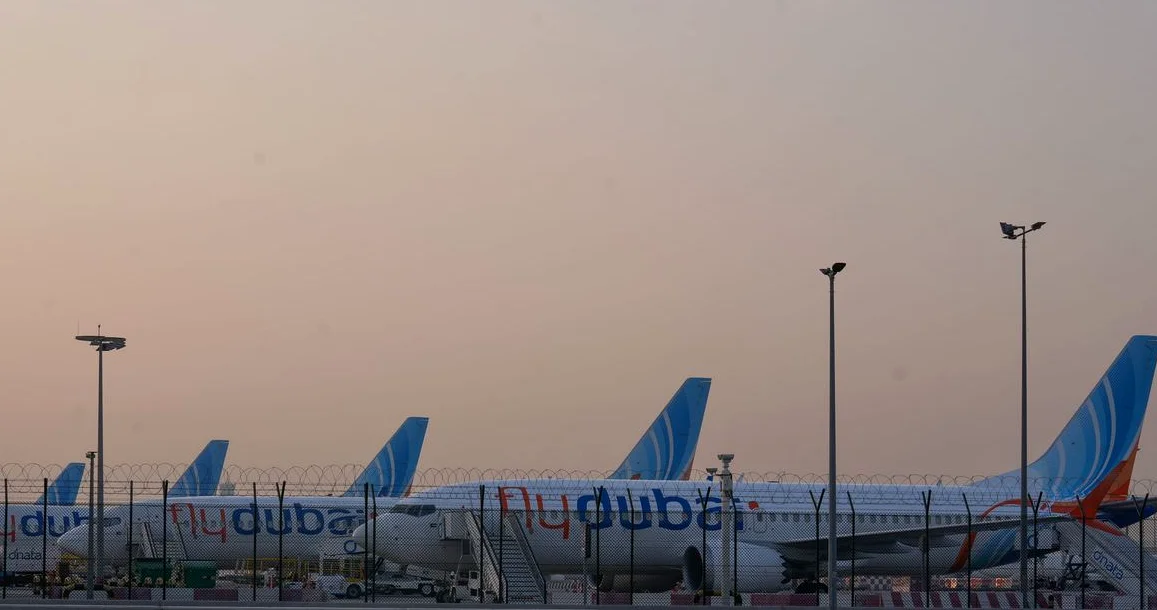
Dubai Airports has been working around the clock to assist stranded travelers as the region continues to grapple with airspace closures and disrupted flight schedules. As of March 6, the airport operator has facilitated more than 1,140 flights at Dubai International (DXB) and Dubai World Central (DWC), according to an official statement on X. These efforts have provided over 105,000 outbound seats to more than 80 countries in the last three days alone, with numbers continuing to rise daily.
Stranded Travelers Face Uncertainty
The surge in flights comes as thousands of travelers remain stranded in the Gulf due to ongoing airspace closures linked to the escalating regional tensions. Dubai Airports has urged passengers to “check the status of your flight with your airline” and to avoid traveling to the airport without a confirmed departure. The airport’s website warns that flight schedules are subject to change and that passengers should verify both their flight status and departure terminal.
“Airlines determine which flights operate based on several operational factors, including aircraft positioning, crew availability and airspace capacity,” the airport said in a statement. “As we facilitate and coordinate operations for multiple airlines, individual flight decisions are made by each carrier.”
One of the major airlines operating from Dubai is Emirates, which has scaled back its operations due to airspace restrictions. The airline has advised passengers booked to travel between February 28 and March 31 to rebook on flights departing no later than April 30. Those who booked directly with Emirates can request a refund, while those who booked through a travel agent are advised to contact their agent for assistance.
Regional Tensions Impact Travel
The current airspace disruptions are linked to the ongoing conflict involving the US, Israel, and Iran, which entered its seventh day on March 6. The situation has prompted the UK government to take additional steps to protect British citizens in the region. Prime Minister Sir Keir Starmer announced on Thursday that four more British Typhoon fighter jets are being deployed to Qatar to support “defensive operations.”
The UK government has also chartered a flight to evacuate citizens from the region. The flight departed Oman’s capital, Muscat, on Thursday night and arrived at London Stansted Airport early Friday morning, after a 24-hour delay caused by technical issues. A government minister emphasized that commercial flights remain the most viable and rapid means of evacuation for those seeking to leave the region.
Meanwhile, the Foreign Office has issued a warning advising against all but essential travel to Bahrain, Kuwait, the UAE, and Qatar due to the heightened security risks. Most flights from the UK to the Middle East have been canceled following missile strikes, though a few continue to operate.
The ongoing crisis has placed significant strain on local airports and airlines, which are working to balance the needs of stranded travelers with the challenges posed by restricted airspace and limited resources. Dubai Airports has reiterated its commitment to maintaining operational safety and the wellbeing of passengers and staff while coordinating with relevant authorities to ensure a steady flow of flights.
“We are adding more and more flights to our schedule every day,” Dubai Airports said in its latest update. “Please continue to check the status of your flight with your airline.”
As the situation remains fluid, travelers are advised to stay informed and follow updates from their airlines and the relevant authorities. The number of flights and available seats may continue to fluctuate based on airspace conditions and operational constraints.




Comments
No comments yet
Be the first to share your thoughts