

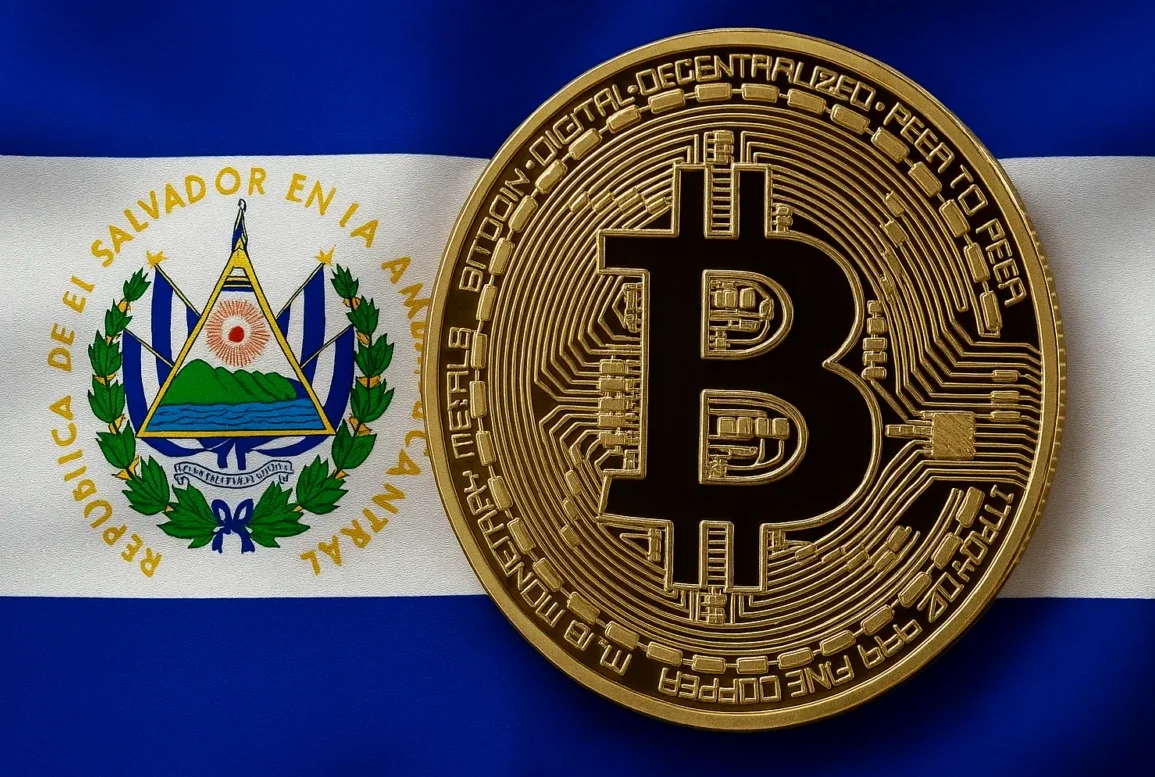
El Salvador is accelerating its efforts to integrate Bitcoin education into the national curriculum, officially launching Bitcoin Diploma 2.0 as a standardized program for public schools in 2026. The updated initiative represents a significant expansion from earlier pilot schemes, signaling a long-term strategy to normalize digital asset literacy among students.
Curriculum Overhaul and Educational Integration
The overhaul comes as the government refines its broader Bitcoin policy, shifting from mandatory usage toward a more voluntary and educational-focused approach. According to officials, the move is intended to position Bitcoin not just as a payment tool, but as a broader framework for understanding monetary systems.
Bitcoin Diploma 2.0 is led by the National Bitcoin Office and integrates crypto-related material directly into existing sociology and mathematics courses. Instead of standalone seminars, students will now receive structured instruction as part of their weekly schedule, with roughly three hours of lessons per week.
The curriculum covers topics such as the Lightning Network, the history of money, central banking systems, and principles of free-market economics. The program also includes a simplified version for younger students in grades two through six, called ‘What is Money?’ which uses visual aids and animations to explain basic financial concepts before introducing more advanced digital asset topics in later years.
Technology and Teacher Training
In parallel, authorities are deploying AI-based teaching tools across approximately 5,000 schools. The modernization effort is intended to strengthen digital literacy while supporting teachers with interactive learning platforms.
The initiative benefits from direct backing by the Ministry of Education and the National Bitcoin Office, ensuring standardized materials nationwide. Partnerships with non-governmental organizations such as Mi Primer Bitcoin have helped train hundreds of teachers to deliver the coursework.
However, skepticism remains a key challenge. Surveys conducted in late 2023 showed that a large majority of Salvadorans had little confidence in using Bitcoin for everyday transactions. While the government has softened its stance, public sentiment has not fully aligned with official ambitions.
Infrastructure and Economic Considerations
Infrastructure gaps present another hurdle. Internet penetration in the country was estimated at roughly 50% in 2022, and rural connectivity remains inconsistent. Expanding digital curriculum nationwide could strain schools with limited technological resources.
Volatility is also a concern. Bitcoin’s sharp price swings raise questions about whether students may develop unrealistic expectations about wealth creation, rather than viewing it primarily as a financial and technological study subject.
In early 2026, El Salvador amended its legislation to make Bitcoin acceptance voluntary rather than mandatory as legal tender. The adjustment helped improve relations with international lenders and contributed to securing a $1.4 billion funding arrangement with the IMF, providing broader macroeconomic stability while educational reforms move forward.
Supporters argue the country is laying the foundation for what they call the world’s first ‘Bitcoin generation,’ potentially offering a model for other unbanked or underbanked nations. Critics, however, counter that long-term success will depend less on curriculum design and more on public trust, infrastructure investment, and economic results.
As Bitcoin Diploma 2.0 rolls out nationwide, El Salvador is deepening its experiment—not only with digital assets but with changing financial education at a national scale. The program will be closely watched by educators, policymakers, and international observers as it unfolds in the coming years.





Comments
No comments yet
Be the first to share your thoughts