

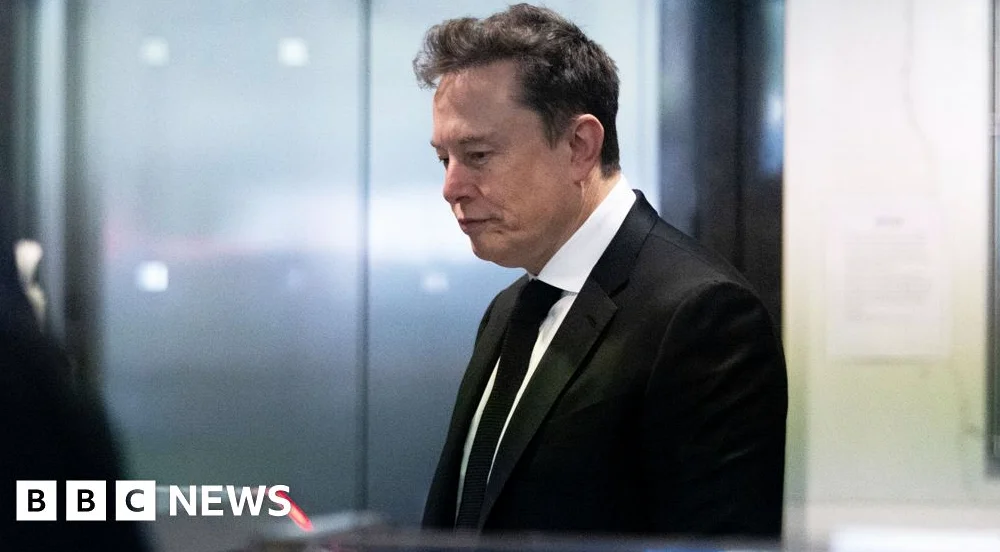
Elon Musk’s controversial Tesla compensation package has ballooned to a staggering $158 billion valuation, but the CEO still can’t cash in. The eye-watering sum remains locked behind a series of ambitious performance milestones that Musk has yet to achieve, reigniting debate over executive pay structures and corporate governance in Silicon Valley, according to The Tech Buzz.
Performance-Based Pay Structure
The $158 billion pay deal. Which would dwarf any executive compensation in corporate history, hinges on Tesla hitting specific targets for revenue, profitability, and market capitalization that continue to elude the automaker. The compensation package isn’t structured like a typical CEO salary; Instead, it’s entirely performance-based, broken into tranches that expose only when Tesla hits specific operational and financial milestones. These include targets for revenue growth, adjusted EBITDA, and market capitalization that were designed to push the electric vehicle maker into first-ever territory; So far, those goalposts remain tantalizingly distant.
Legal and Shareholder Challenges
This isn’t the first time Musk’s pay has sparked controversy. The package was originally approved by Tesla shareholders in 2018, only to be struck down by a Delaware judge in 2024 who called it ‘unfathomable’ and criticized the board’s approval process. Tesla shareholders later re-approved the deal in a contentious vote, but legal challenges have continued to swirl around the arrangement; the controversy exposes the ongoing debate about the appropriateness of such high-value, performance-based compensation structures for executives in the tech industry.
Market Volatility and Future Implications
The compensation package’s value continues to fluctuate in line with Tesla’s stock performance, adding another layer of uncertainty to Musk’s potential earnings. The deal’s structure is intended to align executive incentives with long-term company performance, but the sheer scale of the potential payout has raised questions about corporate accountability and governance. Critics argue that such high-value compensation packages can encourage risky behavior or unrealistic expectations, potentially harming both the company and its shareholders in the long run.






Comments
No comments yet
Be the first to share your thoughts