

 BBC
BBC 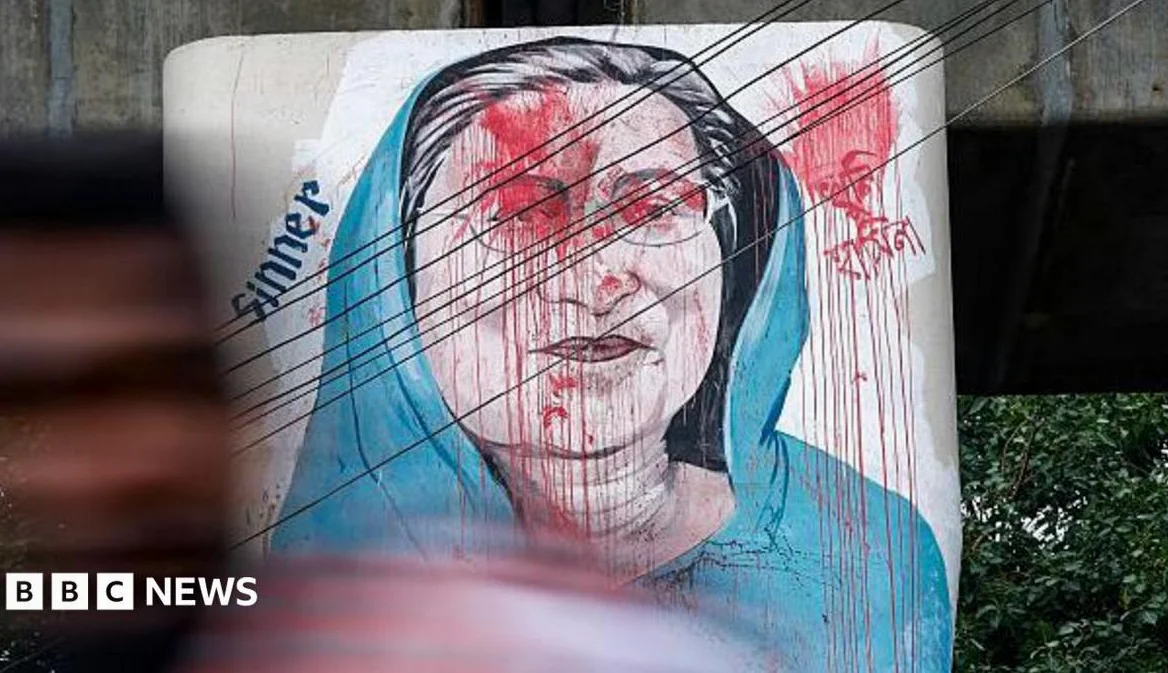
Bangladesh’s former prime minister Sheikh Hasina, now 78, is contemplating a return to the country despite facing a death sentence for her alleged role in violent security operations that killed hundreds, according to BBC reports. The UN estimates that up to 1,400 people were killed, most by gunfire from security forces, during mass protests against government job quotas, and the protests, initially led by students, turned into a broader movement that culminated in Hasina’s ouster in August 2024.
Legal and Political Consequences
Hasina has always rejected the charges against her as politically motivated. However, UN investigators found evidence that she and her government used systematic, deadly violence to cling to power. In a verified BBC Eye audio recording, she was heard authorising the enforcement action on demonstrators. Prosecutors used the recording as major evidence in her conviction.
Following her removal, an interim government took power and was succeeded by the Bangladesh Nationalist Party after elections in February 2024. The party’s leader, Tarique Rahman, is now prime minister. His government has warned local media not to publish or broadcast Hasina’s comments, and expressed “outraged” that India allowed her to address the media in a public meeting in Delhi.
India-Bangladesh Tensions
Hasina’s presence in India has strained relations between the two countries. Bangladesh has requested her extradition, which India says it is examining. A return to Dhaka, if it occurs, is likely to reignite political tensions and potentially incite unrest. The foreign ministry of Bangladesh has stated that its people have resolved that the country will “never again go back to the dark days of fascism” and that Bangladesh will not become a “client state.”
International Reactions
The situation has drawn international attention, particularly from human rights organisations. The International Committee of the Red Cross (ICRC) recently confirmed that its representatives were able to visit Aung San Suu Kyi in Myanmar in accordance with its standards for visiting those deprived of liberty. While not directly related to the Hasina case, the ICRC’s actions highlight the broader pattern of detained leaders in the region.
Hasina’s return remains a high-risk move, both for her personally and for the political stability of Bangladesh. Her legal team has not commented publicly on the potential extradition, but the former prime minister has not shown any indication of backing down. A return could spark renewed protests, deepen political divisions, and complicate the government’s efforts to stabilise the country after months of unrest.






Comments
No comments yet
Be the first to share your thoughts