

 The Guardian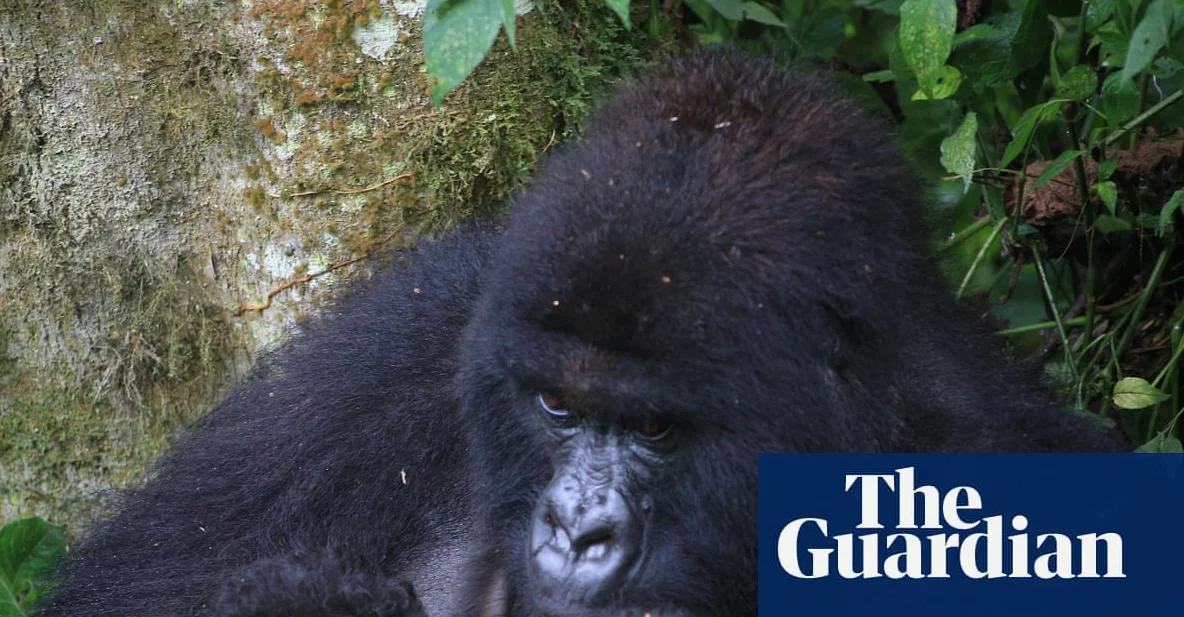
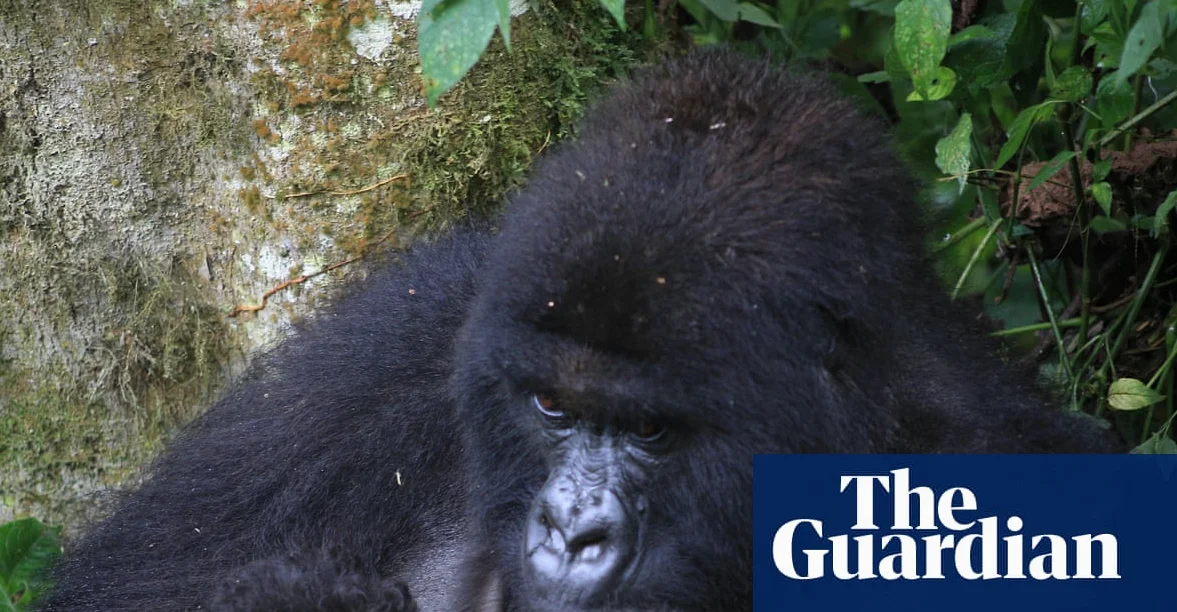
Mountain gorillas in the Democratic Republic of the Congo (DRC) have experienced an extraordinary event as a second set of twins has been born in Virunga national park. This follows the recent discovery of a previous set of twins, marking a rare and significant occurrence for the endangered species.
Significance of the Twin Births
Just two months after the birth of twin mountain gorillas was discovered by rangers in the Virunga massif, another rare twin birth has been recorded. This time. An infant male and female have been spotted in the Baraka family, a troop of 19 mountain gorillas that roam the high-altitude rainforests of the region.
Park rangers have placed the young primates under additional monitoring to help them through the critical initial months, as the infants face significant challenges to becoming fully grown adults. Twins are extremely rare in mountain gorillas, accounting for less than 1% of births, and place extra demands on the mother.
The mountain gorilla subspecies is found in only two isolated pockets of the Virunga massif and the Bwindi Impenetrable national park in south-west Uganda; the subspecies faces high rates of infant mortality, with about a quarter of infants falling victim to disease, trauma, or infanticide.
Conservation Efforts and the Role of Rangers
In January. Virunga national park announced that a female mountain gorilla called Mafuko had given birth to twins. The infant males are now 11 weeks old and said to be thriving, with other gorillas in the troop taking extra care of the mother to support her caregiving, according to rangers.
Park authorities believe that twin births are more likely to happen when females are in particularly good physical condition. Jacques Katutu. The head of gorilla monitoring at Virunga, said: “Two instances of twin births within three months is an extraordinary event and provides another vital indicator that dedicated conservation efforts, which have continued despite the current instability in eastern Congo, continue to support the growth of the endangered mountain gorilla population within Virunga national park.”.
Specialist veterinary care has played a leading role in the revival of the subspecies. In Rwanda. Uganda, and the DRC, organizations such as the Gorilla Doctors have prevented dozens of deaths by helping animals affected by human behavior, such as by releasing gorillas accidentally caught in poachers’ traps. One study attributes half of the mountain gorillas’ population increase to the vets.
Historical Context and Conservation Success
Barely 250 mountain gorillas were left in the 1970s, and many thought the animals faced extinction. Decades of intense conservation work helped population numbers surpass 1,000 in 2018, and conservation authorities have since downgraded the subspecies’ status from critically endangered to endangered.
The DRC section of the Virunga mountain range remains one of the most dangerous places in the world for wildlife rangers. Over the past 20 years. More than 220 rangers have been killed in the park, where rebel groups such as M23 and other militias, as well as bandits, operate with impunity.
Despite these dangers. The recent twin births signal a positive development for conservation efforts, but the survival of these young gorillas could contribute significantly to the population growth of this endangered species. As rangers continue to monitor and protect the gorillas, the hope is that the population will continue to rise, offering a glimmer of optimism in an otherwise challenging environment.
These twin births are not just a rare occurrence but a critical indicator of the effectiveness of ongoing conservation work. The survival of these infants could help stabilize the population and ensure the long-term survival of mountain gorillas in the region.
Conservationists are closely watching the development of these young gorillas, hoping they will thrive and contribute to the growing population. The efforts of rangers and conservationists are important in protecting these animals from the many threats they face, including poaching, habitat loss, and human conflict.
The recent births highlight the importance of continued conservation efforts and the need for international support to protect these endangered animals. As the population of mountain gorillas continues to grow, the hope is that they will no longer be on the brink of extinction but will instead thrive in their natural habitats.


Comments
No comments yet
Be the first to share your thoughts