

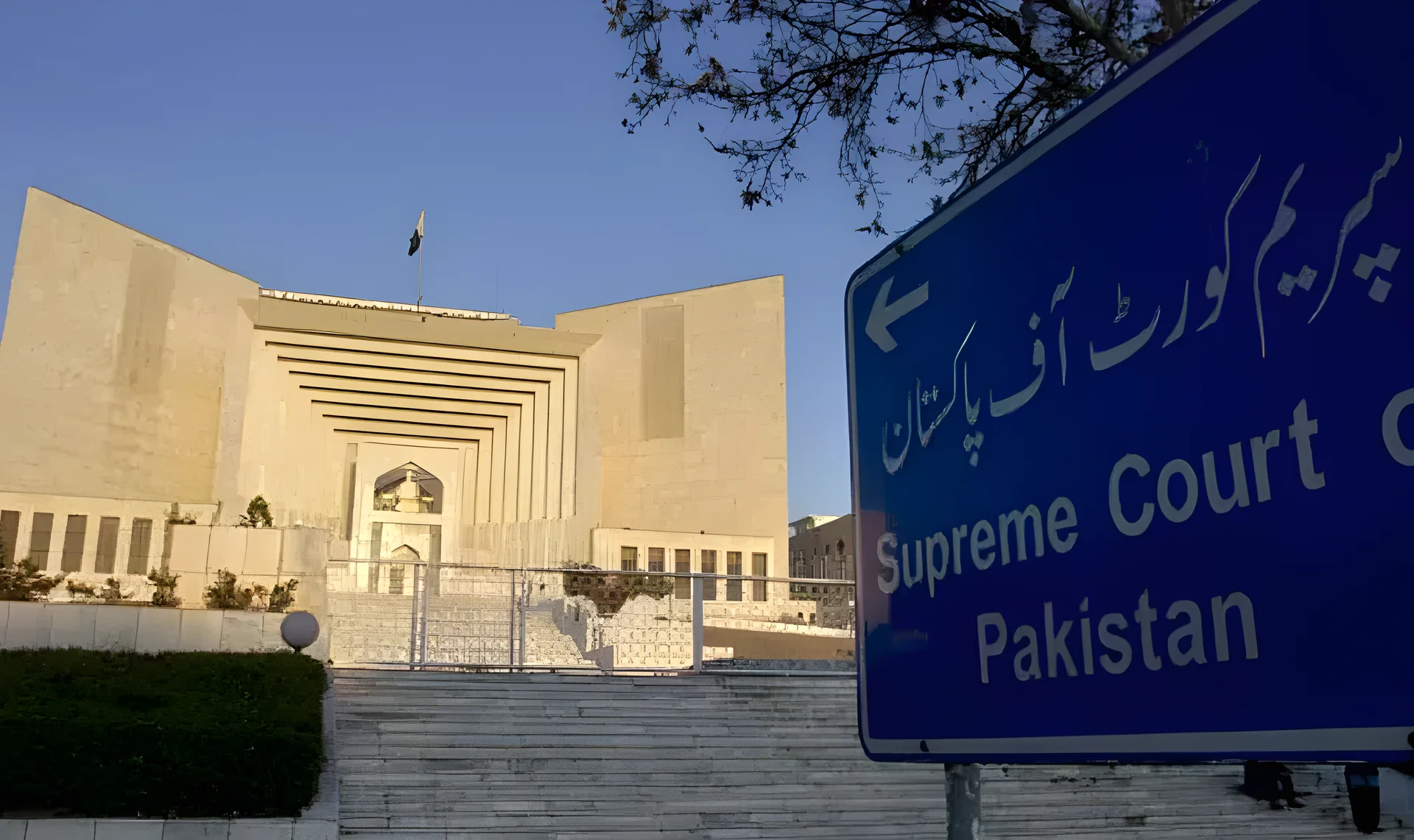
The Federal Board of Revenue (FBR) has filed a petition with Pakistan’s Supreme Court challenging a decision made by the Federal Service Tribunal (FST) on April 30, 2025, which ruled in favor of a civil servant who opposed his transfer from Peshawar to Sahiwal. The dispute centers on the interpretation of the government’s wedlock policy and its application to the posting and transfer of civil servants.
The Core Legal Question
The Supreme Court is now tasked with determining whether the wedlock policy grants civil servants an absolute right to remain posted at a specific station indefinitely. This issue has been raised in light of a ruling by the FST that overturned a transfer order against Jan Muhammad, an FBR employee who had been stationed in Peshawar for over 17 years.
According to the FST’s ruling, the civil servant’s claim of ‘genuine hardship’ due to the transfer was valid, and the court ordered the cancellation of his transfer order. The FBR, however, argues that the tribunal’s interpretation of the policy undermines the statutory framework governing civil service postings.
FBR’s Legal Argument
Senior counsel Hafiz Ehsaan Ahmad Khokhar, representing the FBR, argued that the FST’s decision runs counter to the Civil Servants Act, 1973, which grants the government the authority to regulate postings and transfers. Section 10 of the Act, he stated, explicitly empowers the government to make decisions about appointments, postings, and transfers based on administrative needs.
Khokhar further pointed to Section 22 of the Act, which allows the federal government to formulate rules governing the service conditions of civil servants. These rules, he said, form the basis of administrative frameworks like the Establishment Code, which permits the posting of civil servants anywhere in Pakistan as required by service needs.
He emphasized that the FST’s decision could have far-reaching implications for the civil service structure, potentially creating a precedent where civil servants could claim indefinite postings at specific locations, contrary to the statutory provisions.
Supreme Court’s Next Steps
The Supreme Court heard the case before a three-judge bench led by Justice Jamal Khan Mandokhail. After a brief hearing, the court issued notices to the respondents, including Jan Muhammad. The bench has adjourned the hearing and framed the key legal question for determination.
The court is now expected to issue a detailed notice to all parties involved, including the FBR, the FST, and the petitioner, to provide their submissions on the legal interpretation of the wedlock policy in relation to the Civil Servants Act. The hearing is likely to be rescheduled for a future date, pending the submission of additional legal arguments and evidence.
The outcome of this case could have significant implications for the administrative functioning of the civil service in Pakistan. If the Supreme Court upholds the FBR’s position, it may reinforce the government’s authority to make posting and transfer decisions based on administrative necessity, rather than individual claims of hardship or personal circumstances.
If the FST’s interpretation is upheld, however, it could lead to a more flexible approach to civil service postings, where factors like family circumstances and personal hardship may be given greater weight in administrative decisions.
Analysts say the case highlights a growing tension between administrative efficiency and the rights of civil servants in Pakistan. The ruling could also influence future policy decisions regarding the formulation of service regulations and the interpretation of existing laws governing government employment.






Comments
No comments yet
Be the first to share your thoughts