

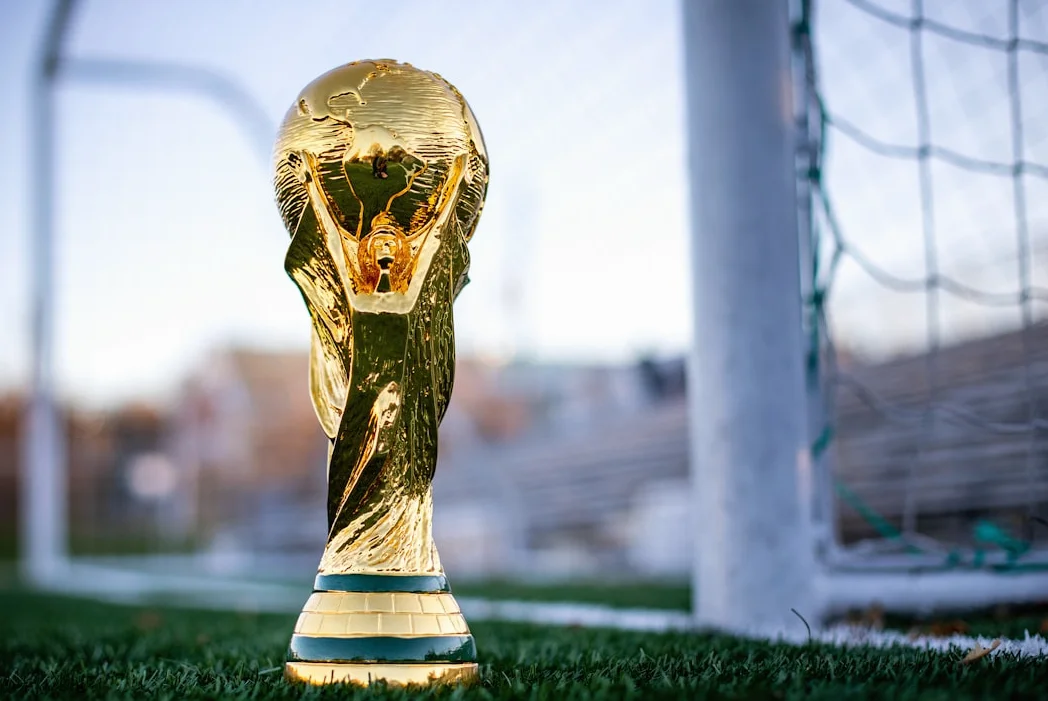
The last chance to buy official FIFA World Cup 2026 tickets in Atlanta starts today, as reported by USA Today, with the window opening amid a surge in ticket prices and a stark contrast in policies between FIFA and UEFA. Fans around the world are now racing against time to secure their spots at the upcoming global event, which will be held in the United States, Canada, and Mexico.
Surging Prices and Final Purchase Window
According to USA Today, the final opportunity for fans to purchase official World Cup tickets in Atlanta begins today. The news outlet highlights that this is a critical date for fans hoping to attend matches in one of the host cities, as the window for official purchases is closing rapidly. The article notes that ticket prices have risen significantly in recent months, with some matches now costing over $1,000 per seat. Fans are advised to act quickly, as the last-minute rush could lead to sold-out games.
A source close to the Atlanta organizing committee told USA Today that the city’s stadium has already sold out for several key matches, including the group stage opener and the semi-finals. ‘We are seeing a record number of requests for tickets in the last week,’ the source said. ‘This is the last chance for fans to get official tickets.’ The article also mentions that unofficial resellers are charging up to three times the official price, further complicating the process for fans trying to attend the event.
FIFA vs. UEFA: Diverging Policies on Fan Access
The New York Times reports that UEFA has announced it will freeze ticket prices for Euro 2028, a stark contrast to FIFA’s approach to the World Cup. According to the article, UEFA’s decision is aimed at ensuring affordability for fans across Europe, while FIFA has allowed ticket prices to fluctuate based on demand and location. This policy divergence has sparked debate among fans and officials about fairness and accessibility in global football events.
According to the New York Times, the difference in policies has led to a situation where a set of five Euro 2028 tickets can cost less than the parking fee for a World Cup game in the United States. This disparity highlights a growing concern among fans about the economic barriers to attending major international tournaments. ‘It’s a clear divide between the two governing bodies,’ said a fan from Germany, who is considering attending the World Cup in the U.S. ‘I don’t want to spend more on parking than I would on tickets.’
Korean news outlet 경향신문 adds that the fan policies for the two tournaments reflect different priorities. While UEFA emphasizes affordability, FIFA has focused on maximizing revenue through dynamic pricing and limited availability. The article notes that this has led to a situation where fans in the U.S. and Canada are paying significantly more than those in Europe, despite the global nature of the sport.
Japanese Insights and Local Reactions
According to the Fathom Journal, a Japanese fan expressed frustration over the high cost of World Cup tickets in the U.S. ‘I would love to go, but the price is just too high,’ said the fan, who is based in Tokyo. ‘I think the organizers should consider more affordable options for international fans.’ The article also highlights the logistical challenges for Japanese fans, including the cost of airfare, accommodation, and transportation, which can add thousands of dollars to the total expense.
The Fathom Journal reports that while some Japanese fans have already secured tickets through resellers, many are still waiting for official sales to open in their home country. ‘We need more clarity on when the official sales will start in Japan,’ said a representative from a Japanese fan group. ‘Right now, it’s very confusing for people who want to attend the event.’ The article also notes that the Japanese Football Association is working with FIFA to ensure that more tickets are available for fans from Asia, but the process is ongoing.
German Perspective on Fan Experience and Safety
According to the Saarbrücker Zeitung, fans in Germany are closely monitoring the situation as the final ticket sales approach. The newspaper reports that many German fans are concerned about the safety and security of attending the World Cup in the U.S., given the recent rise in violent incidents at sporting events. ‘We want to enjoy the games, but we also want to feel safe,’ said a fan from Munich. ‘I hope the organizers have taken the necessary steps to ensure a secure environment for all attendees.’
The Saarbrücker Zeitung also highlights the role of local authorities in managing fan behavior. According to the article, several German cities are planning to send representatives to the U.S. to observe how the World Cup is being managed in terms of crowd control and security. ‘We want to learn from the best practices of other countries,’ said a local official. ‘The goal is to ensure that German fans have a positive experience at the World Cup.’
What’s Next and Why It Matters
As the final days for official ticket purchases approach, fans around the world are preparing for a potentially chaotic last-minute rush. According to multiple sources, the demand for World Cup tickets is expected to remain high, with many matches already sold out. Officials from the host cities are urging fans to purchase tickets through official channels to avoid scams and ensure a legitimate experience.
The disparity in ticket pricing between FIFA and UEFA is likely to continue to be a point of discussion in the coming months. The New York Times reports that UEFA’s decision to freeze prices for Euro 2028 has already sparked conversations about the need for a more unified approach to fan access across international football events. ‘It’s a necessary step to make the sport more inclusive,’ said a European football official. ‘We need to ensure that fans from all over the world can enjoy the games without financial barriers.’
The high cost of World Cup tickets and the logistical challenges for international fans have broader implications for the future of global football. According to the Fathom Journal, the issue has already prompted calls for more transparent pricing models and better access for fans from developing countries. ‘The World Cup should be an event that brings the world together,’ said a Japanese fan. ‘It’s time for the organizers to listen to the concerns of fans from all backgrounds.’






Comments
No comments yet
Be the first to share your thoughts