

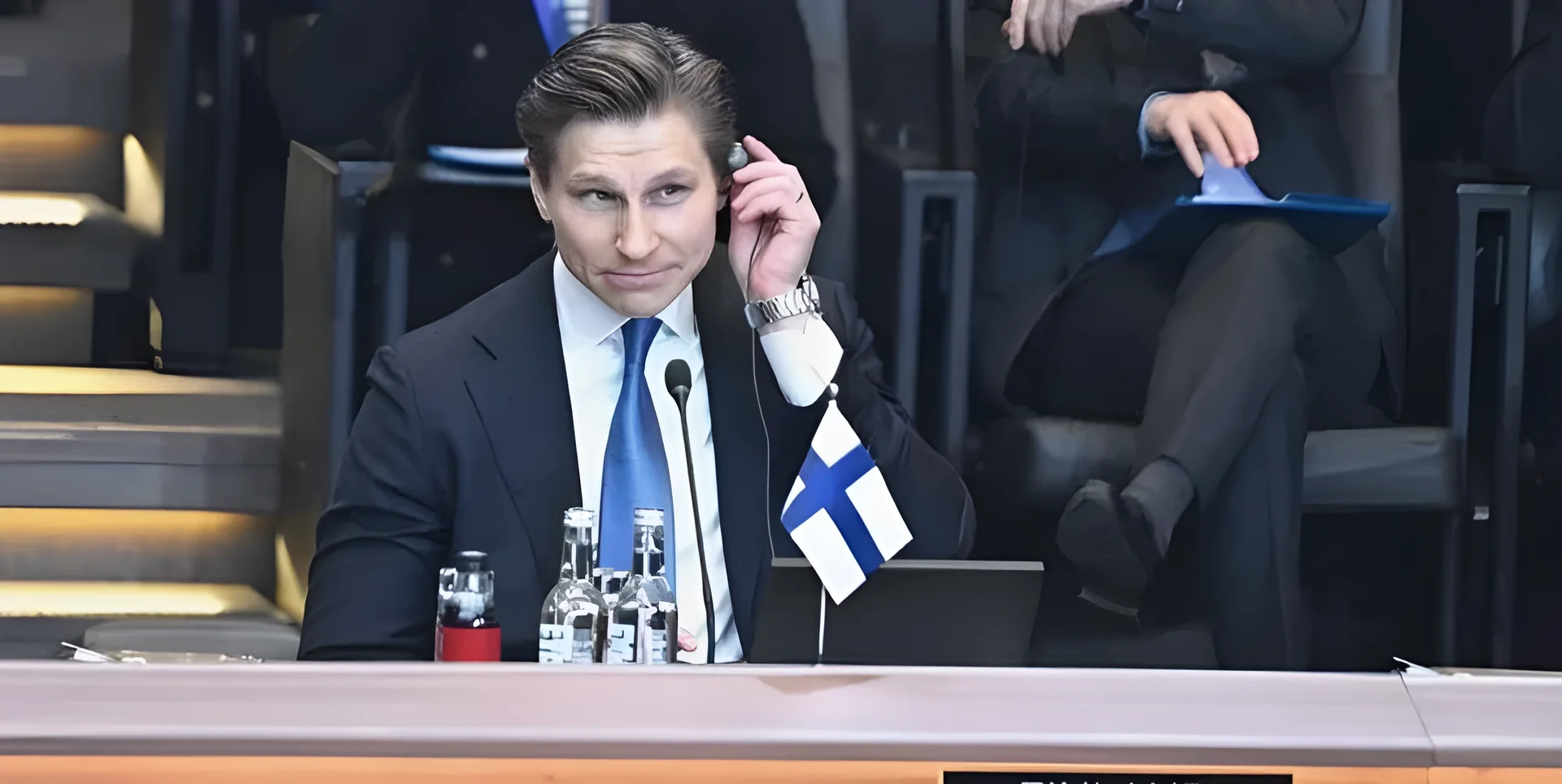
Finland has announced a significant shift in its nuclear policy, easing restrictions on the import of nuclear weapons for the first time since the 1980s. The decision, described by Defense Minister Antti Hakkanen as a means to ‘strengthen our defense posture,’ comes amid escalating security concerns linked to Russia’s military activities and global nuclear tensions.
Historical Context of Finland’s Nuclear Policy
Finland has long maintained a strict policy of nuclear non-proliferation, rooted in its neutrality during the Cold War and a desire to avoid nuclear escalation near its borders with the former Soviet Union. This stance, formalized in the 1980s, prohibited the development or hosting of nuclear weapons on Finnish soil and reinforced the country’s image as a peaceful, disarmament-focused nation.
Despite this, Finland invested heavily in conventional defense and military cooperation with Western allies. The post-Cold War era, however, brought new security challenges, particularly with the expansion of NATO and the emergence of new regional threats. The 2014 annexation of Crimea by Russia and subsequent military buildup along Finland’s eastern border have significantly altered the security landscape.
Geopolitical Drivers Behind the Shift
The Finnish government cites growing security threats from Russia as the primary driver for the policy change. Increased military exercises, assertive posturing, and the annexation of Crimea have heightened concerns about Finland’s vulnerability. Additionally, regional tensions involving Iran’s nuclear ambitions have contributed to a broader sense of insecurity.
‘In a world where nuclear proliferation is becoming more prevalent, having a deterrent or the ability to acquire nuclear capabilities could be essential for national survival,’ said officials in a recent statement.
Finland also sees potential benefits in aligning more closely with NATO’s strategic framework, even as it remains officially non-aligned. The proposed policy includes legal relaxations that would allow nuclear weapon imports for defensive purposes, while maintaining strict limitations on the presence of nuclear arms on Finnish soil.
Policy Details and Implementation Pathway
The proposed policy includes several key steps: legal changes to permit nuclear weapon imports, strict limitations on the establishment of nuclear bases, and international coordination with NATO and EU partners to develop protocols that mitigate risks of escalation.
Transparency measures, such as regular reporting to international monitors, are also emphasized to reassure global neighbors and avoid miscalculations. The Finnish government insists the move is not intended to initiate a nuclear arms race but to adapt to a rapidly changing security environment.
‘This is about ensuring our national security and sovereignty in a world that is increasingly unstable,’ said Defense Minister Antti Hakkanen in a statement.
International Reactions and Challenges
The decision has sparked intense debate across Europe and beyond. Critics argue that allowing nuclear weapon imports could escalate tensions with Russia, which has historically viewed NATO expansion and nuclear proliferation as existential threats.
Conversely, supporters see the move as a protective buffer that could deter potential aggression and signal a resolute stance against malign influence. NATO officials have expressed cautious support, emphasizing the need to align with international non-proliferation norms.
There are also concerns about potential diplomatic repercussions. A shift toward nuclear capabilities could shift regional power dynamics and complicate ongoing disarmament negotiations. The move may also set a precedent for other non-nuclear states considering similar policies.
Broader Implications for Europe and Global Security
Finland’s policy pivot raises fundamental questions about the future of nuclear deterrence and the balance between security and proliferation risk. If neighboring countries such as Sweden or Norway follow suit, it could dramatically alter Europe’s strategic landscape.
This transition may prompt a reassessment of European Union security policies, with calls for renewed collective defense strategies amid rising threats. At the same time, the move highlights the changing nature of global nuclear geopolitics, as non-nuclear countries explore new avenues to enhance their security.
As Finland moves forward with its policy changes, the international community faces the challenge of controlling proliferation without compromising sovereign rights or deterrence stability. Finland’s decision marks a key moment in global security dynamics and could have far-reaching implications for the future of nuclear policy in Europe and beyond.






Comments
No comments yet
Be the first to share your thoughts