

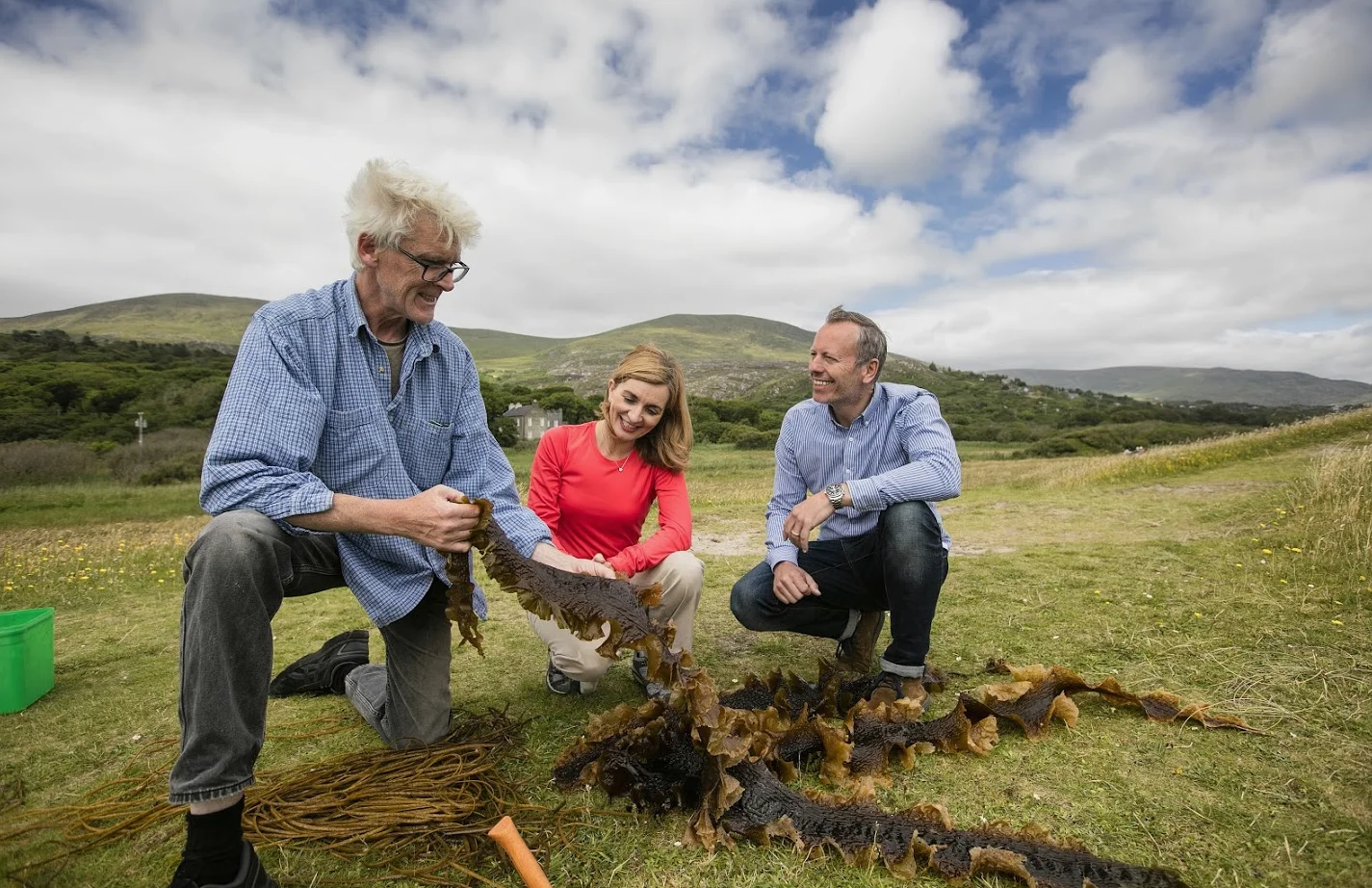
The saltwater splashes against rubber boots as travelers bend over to inspect a patch of seaweed on the rugged cliffs of County Kerry, Ireland. Wind tugs at hair, but the focus is on the task at hand — finding the perfect specimen to be part of a later meal. This is the essence of foraging food tourism, an experience that is growing in popularity and offering travelers a deeper connection to the places they visit.
Immersive Experiences Drive Culinary Travel
In a 2025 travel report from Hilton, one in five travelers cite seeking new culinary experiences as a primary motivation for their journeys. This trend has prompted travel brands like Airbnb and Shinta Mani to offer forage-cations — immersive, hands-on experiences that take guests from forest to fork, or dock to dish. These experiences are not only about food, but about understanding the origins of ingredients and the cultural practices that surround them.
Brendan Vacations, a travel company based in Ireland, offers the Deluxe Seaweed Experience, one of the many foraging adventures now available to travelers. Catherine Reilly, Managing Director of Brendan Vacations, explains that the trend is driven by a growing interest in sustainability and wellness. ‘Experiences like seaweed foraging invite travelers to slow down, engage with the natural environment and learn directly from local experts, creating a deeper emotional connection to the destination,’ she says.
Across Europe, truffle hunting has emerged as one of the most in-demand foraging experiences. Travelers are led by specially trained truffle dogs through the forests of Provence, where they search for the elusive ‘black diamonds.’ On Uniworld cruises, guests disembark at a family-owned truffle farm and learn the techniques used by generations of local foragers. The reward for their efforts is a meal featuring fresh truffle, French bread, cheese, and wine — all sourced from the very land they explored.
From Salmon Fishing to Handline Techniques
In Alaska, where fishing has long been a part of daily life, travelers are embracing the ‘port-to-plate’ experience. Holland America Line offers excursions where guests cast their lines for wild salmon in the waters near Ketchikan or Juneau. The fish caught during these trips are then cleaned and prepared by the ship’s chefs for dinner that evening. Marisa Christensen, Director of Food Beverage Operations & Development at Holland America Line, says that these experiences are among the most memorable for travelers. ‘Alaska’s most memorable moments often come from being part of the landscape. That’s especially true around food, where fishing and sourcing locally have long been part of daily life,’ she explains.
In the Maldives, where fishing has sustained the population for centuries, tourists are now learning traditional handline fishing techniques. At Finolhu, a luxury resort in the Indian Ocean, guests cast their lines into the turquoise waters and learn to reel in big game fish. Once the catch is made, one of the resort’s chefs prepares the fish within minutes, ensuring the freshest possible meal.
On the rugged island of Newfoundland, Fogo Island Inn encourages guests to explore the wilderness with Outdoor Adventure guides. Travelers collect local berries, shrubs, and herbs like partridgeberries, juniper, and Labrador Tea. These ingredients are later used to brew tea or mix into cocktails, providing a unique and local experience for visitors.
Protecting the Environment Through Foraging
In the Caribbean, scuba divers are participating in lionfish dives with Sandals Resorts, where they help control the population of these invasive species. The lionfish, known for their distinctive mohawk-like fins, are often found in coral reefs and are a threat to marine ecosystems. Instead of damaging the reefs, travelers assist in removing the fish, which are then used in dishes like ceviche or sashimi.
‘Our culture, our spices, and the sea are part of everyday life in Grenada. When guests take part in our lionfish dives at Sandals Resorts, they’re not just discovering the reef; they’re helping protect it,’ says Keithley Liburd, Sous Chef at Sandals Grenada. ‘I take that same day’s catch and prepare it using the island’s rich spices and flavors, just as we would at home.’
These foraging experiences are not just about food — they are about sustainability, cultural immersion, and environmental stewardship. As travelers seek more meaningful connections with the places they visit, foraging food tourism is likely to continue growing in popularity. The trend reflects a broader shift in how people approach travel, with a focus on authenticity, local engagement, and responsible tourism.
With the rise of this trend, travel companies are expected to expand their foraging offerings, incorporating more local ingredients and practices into their itineraries. As the demand for unique and immersive experiences grows, foraging food tourism is set to become a defining feature of modern travel.






1 Comment