

Gardeners across the country are turning to heat mats as a way to accelerate plant growth, particularly as unpredictable weather patterns continue to challenge traditional planting schedules. Jill and Rick Van Duyvendyk, regular contributors to the Garden Talk segment on 650 CKOM and 980 CJME, addressed several gardening questions during their March 15 show, including the effectiveness of heat mats in waking up plants like canna lilies.
Heat Mats and Plant Growth
According to Van Duyvendyk, heat mats can indeed help plants grow more effectively, especially when used for indoor seed starting. ‘Heat mats help everything wake up,’ she said. ‘Bottom heat makes plants grow, it’s just a fact.’ This is particularly useful for gardeners in cooler climates, where the ground may remain too cold for seedlings to thrive outdoors.
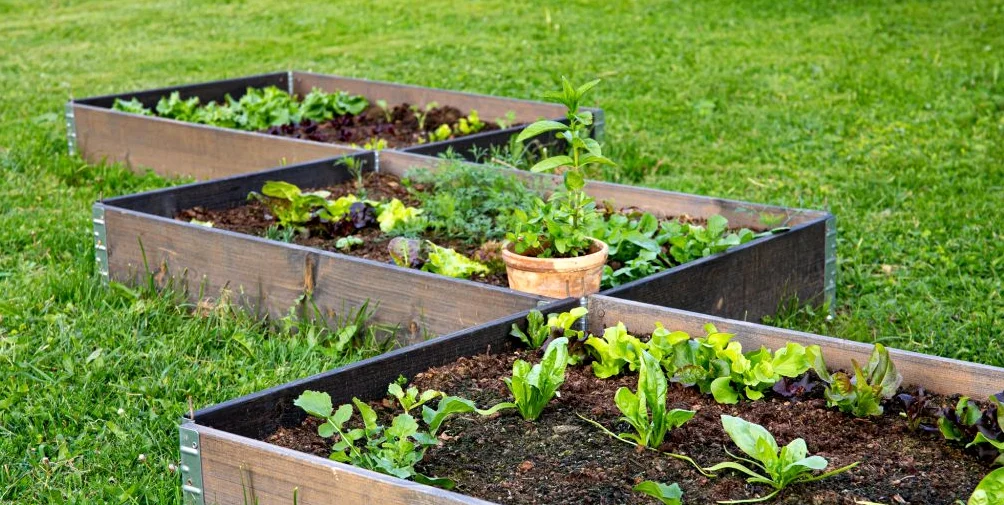
The use of heat mats has become increasingly common among gardeners who want to get a head start on the growing season. By providing a consistent source of warmth, these mats can encourage faster germination and stronger root development. ‘That’s why a lot of people will do raised gardens,’ Van Duyvendyk explained. ‘They just do better because of the heat that they get.’
Van Duyvendyk recommended using heat mats for plants like canna lilies, which are typically slow to sprout in colder conditions. By starting them indoors with the help of heat mats, gardeners can ensure that their plants are ready to be transplanted once the risk of frost has passed.
Transplanting Rhubarb Across Provinces
Gardeners looking to move rhubarb plants to different provinces, such as British Columbia, were also given advice on how to do so successfully. ‘As soon as the frost is out of the ground, you can dig it up and then pick up a little pot,’ Van Duyvendyk said. ‘With rhubarb, you might need a bigger pot or you can actually split it and then put it into three or four pots.’
Transplanting rhubarb requires careful attention to soil conditions, particularly in areas with high rainfall. ‘You have to plant it in a raised area that has good drainage,’ she added. ‘You might have to actually dig a big hole and put some crushed rock at the base, or something like that, and somewhere where it can drain away.’
Proper drainage is crucial for rhubarb plants, which are prone to root rot in wet conditions. Van Duyvendyk emphasized the importance of selecting a location with well-draining soil to prevent the plant from becoming waterlogged and suffering damage.
Planting Ranunculales Bulbs
Another topic discussed was the best way to plant Ranunculales bulbs, which are known for their vibrant summer blooms. Van Duyvendyk suggested starting these bulbs indoors during the last week of March or the beginning of April. ‘Put them in a pot, get them started, get them growing, and then plant them outside,’ she said.
Ranunculales are summer bulbs, meaning they require specific care to ensure they thrive and return year after year. ‘You’ll need to lift it up in the fall again,’ Van Duyvendyk added. ‘You could even start it right now and enjoy some of the flowers indoors, and then plant it out once the risk of frost is gone.’
This method allows gardeners to enjoy the flowers earlier in the season while still ensuring the bulbs have a chance to establish strong roots before being moved outdoors.
Van Duyvendyk also mentioned that some gardeners choose to start these bulbs even earlier, using heat mats to provide the necessary warmth for germination. This approach can be particularly beneficial in regions where the spring season is unpredictable.
Dealing with Apple Maggot Damage
Gardeners who noticed unusual spots on their apples were advised on how to identify and manage apple maggot infestations. ‘The cork-like spotting inside was likely caused by an apple maggot,’ Van Duyvendyk said. ‘If you have apple maggots, you got to pick the fruit before it ripens, and then get rid of it so you can break the cycle.’
Apple maggots can cause significant damage to fruit trees, particularly if left unchecked. Van Duyvendyk recommended using lure apples or even tennis balls coated with tanglefoot to attract the flies and prevent them from laying eggs on the actual fruit. ‘If you notice some little holes or brown spots on the top, or even bigger brown spots inside, you’ll just need to cut one of them open and check whether you have the fly,’ she said.
Additionally, she advised gardeners to use a fruit and berry fertilizer that is low in nitrogen when fertilizing apple trees. ‘You only fertilize them once in the spring,’ she said. ‘Because that also effects fruit.’
Caring for Amaryllis After Blooming
Gardeners with Amaryllis plants that have finished blooming were given instructions on how to care for the bulbs after the flowers have faded. ‘Wait until it turns brown,’ Van Duyvendyk said. ‘You want the energy to go back into the bulb. If you cut the green stem, it’s just flowing with juices.’
Allowing the plant to continue growing until the stem turns brown ensures that the bulb has enough energy stored to bloom again the following season. ‘Wait till it turns kind of a brown color and starts kind of leaning over, and then you can trim it off,’ she added.
This process is crucial for ensuring that the Amaryllis plant remains healthy and continues to produce flowers in subsequent seasons. By following this method, gardeners can maximize the lifespan and blooming potential of their Amaryllis bulbs.
Planting Tomatoes from Seed
Gardeners looking to plant tomatoes from seed were advised to start them indoors as soon as possible. ‘Already,’ Van Duyvendyk said. ‘But it depends on the package too, so look at the package.’
Most tomato varieties require a head start to ensure they are strong enough to withstand the transition from indoor to outdoor conditions. ‘But most tomatoes, you need to get them started now,’ she added. ‘Because they take time to grow and establish strong roots.’
Starting tomatoes indoors allows gardeners to control the growing conditions and protect the seedlings from potential threats such as frost or pests. This method is particularly beneficial for those in cooler climates where the growing season is short.
German Wine Rhubarb Care
Gardeners who had issues with their German wine rhubarb not returning after the first season were given advice on how to avoid winter damage. ‘In the winter, that’s one thing to watch for that things don’t get too wet in the winter,’ Van Duyvendyk said. ‘They like heat, but they also like to be left alone.’
Proper winter care is essential for rhubarb plants, which are sensitive to both cold and moisture. Van Duyvendyk recommended ensuring that the plants are not exposed to excessive moisture during the winter months, as this can lead to root rot and other issues. ‘They like heat, but they also like to be left alone,’ she added. ‘So make sure you’re not overwatering them.’
Gardeners were also advised to avoid disturbing the plants during the winter, as this can cause stress and reduce their chances of surviving the cold season. By following these guidelines, gardeners can help ensure that their rhubarb plants remain healthy and productive year after year.






Comments
No comments yet
Be the first to share your thoughts