

 World Headlines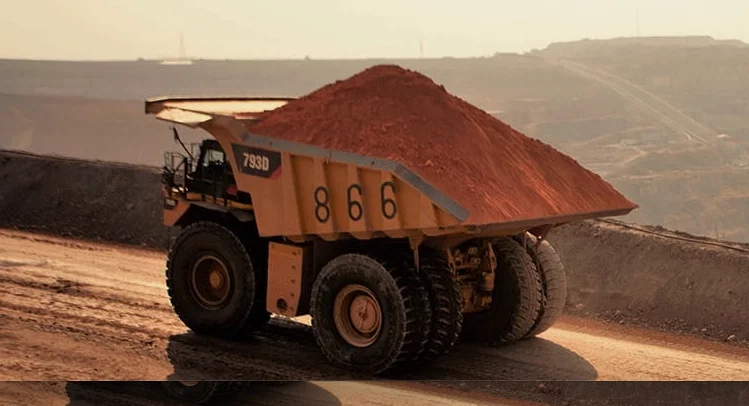
KINSHASA, Democratic Republic of Congo (AP) — State-owned Gécamines struck a deal with Glencore on Thursday granting land access for the Kamoto Copper Co. (KCC), their joint copper and cobalt venture in the DRC’s Lualaba province.
Glencore holds a 75% stake in KCC, with Gécamines owning the remaining 25%. The agreement clears the way for a full package of mining titles and leases. Those will boost the tailings storage facility and waste rock dump capacities. Officials expect the move to extend KCC’s operational life. It also aims to pull more ore from reserves inside current exploitation permits, including the KOV and T17 mining areas.
Gécamines retains rights to any ore reserves pulled from the leased land, according to company statements.
“This agreement will allow us to unlock the full potential of KCC by increasing efficiencies at the mine, facilities and other key infrastructure requirements,” said Mark Davis, COO of Glencore’s Copper Africa Region. “It will also help us to achieve our approximately 300,000 metric ton per year copper production long-term target and extend KCC’s life of mine into the mid-2040s.”
Jon Evans, Glencore’s industrial lead for copper, called the pact a fit for the company’s Africa copper strategy. “The agreement aligns with the Glencore Copper Strategy of continuing to offer volume upside and longevity to Glencore’s Copper Africa Region,” Evans said.
The Kamoto Copper Co. ranks among the DRC’s top producers of copper and cobalt, metals critical for electric vehicle batteries and global energy transitions. Congo supplies more than 70% of the world’s cobalt and stands as Africa’s largest copper producer. KCC’s output has ramped up in recent years amid surging demand.
Deal closure hinges on registering the mining titles and lease agreements in the national mining cadastre. That step should wrap up in the coming months, sources close to the talks said. Once finalized, work can begin on expansions that Glencore executives say will secure steady production growth.
Glencore has operated in the DRC for decades, handling complex partnerships with Gécamines, the state miner created in 1967. Past disputes over royalties and contracts have strained relations. This latest accord signals smoother collaboration at a time when both sides seek to capitalize on high metal prices.
Expansion at KCC comes as Glencore pushes to lift its African copper output. The company reported 1.6 million tonnes of copper production across its Africa operations last year. Hitting the 300,000-tonne annual target at KCC alone would mark a major step.
Environmental groups have watched KCC closely. Tailings and waste dumps often draw scrutiny in Congo’s mining heartland, where heavy rains can trigger spills. Glencore pledged in its statement to meet international standards for any upgrades.
Shares in Glencore rose 1.2% in London trading on news of the deal. Gécamines officials hailed the agreement as a win for national interests, preserving state equity while enabling growth.
The pact highlights Congo’s drive to use its vast mineral wealth. President Félix Tshisekedi’s administration has renegotiated contracts with foreign miners, aiming for higher royalties and local benefits. KCC’s extension bolsters those efforts, potentially adding billions in exports over the next two decades.




Comments
No comments yet
Be the first to share your thoughts